The application of 8Cr4Mo4V bearing steel in marine environments is severely challenged by corrosion-induced degradation. This study systematically investigates the evolution of corrosion products on 8Cr4Mo4V steel in a simulated marine atmosphere and elucidates the coupling mechanism between rust layer structure and wear performance. Results reveal that the corrosion products evolve from initial unstable γ-FeOOH to thermodynamically stable α-FeOOH and Fe3O4, developing into a bilayer structure with diffuse boundaries. A unique non-linear fluctuation in corrosion resistance is observed, characterized by a cyclic “accumulation-collapse” pattern where resistance peaks at 8 h and 48 h due to layer densification, but declines sharply at 16 h and 72 h due to structural failure. Crucially, a semi-quantitative analysis based on the critical thickness criterion and stored strain energy is incorporated to explain the tribological transition. While the initial soft, porous oxides serve as solid lubricants, effectively reducing the coefficient of friction, the mechanism shifts to catastrophic failure as the layer thickens. The accumulation of growth stresses eventually causes the stored strain energy to exceed the interfacial fracture toughness (G > Gc), triggering the delamination of the hardened oxide shell. This stress-dominated brittle fracture mode is strongly corroborated by scratch testing, which reveals a high cutting-to-plasticity ratio (fcp ≈ 0.8) in the severe wear stage. These findings provide a theoretical framework linking the mechanical stability of oxide scales to the tribological degradation of high-carbon bearing steels.
周老师: 13321314106
王老师: 17793132604


邮箱号码: lub@licp.cas.cn





 润滑剂
润滑剂
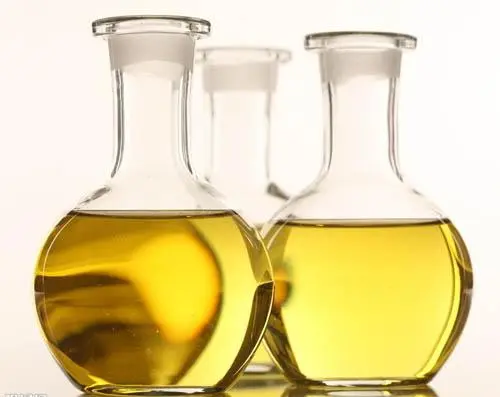 润滑油添加剂
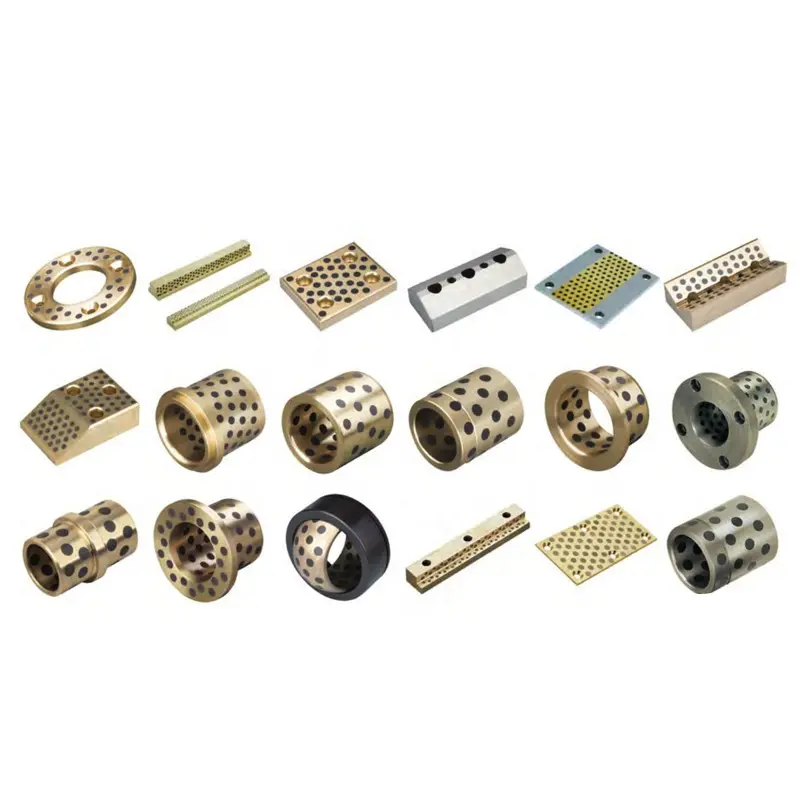 自润滑材料
自润滑材料
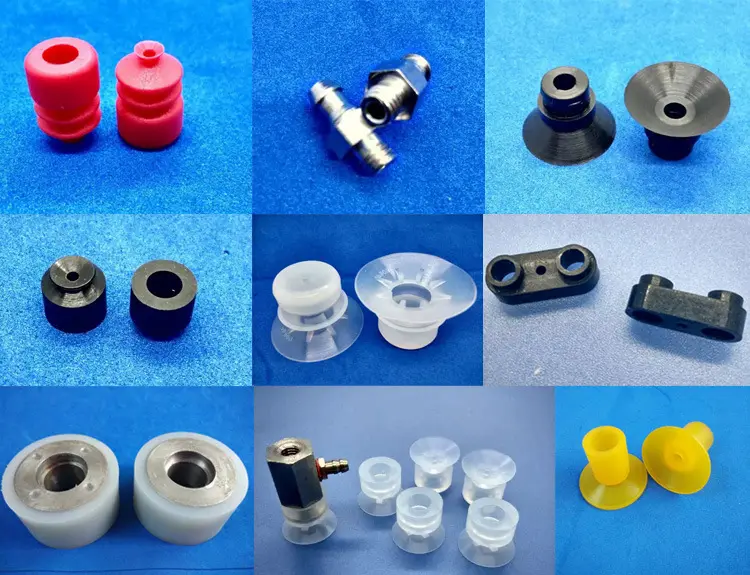 密封材料
密封材料
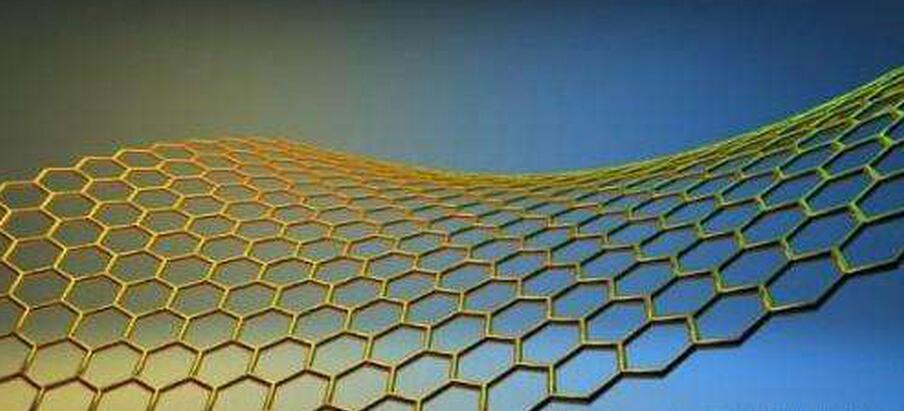 新兴材料
新兴材料
 加工设备
加工设备
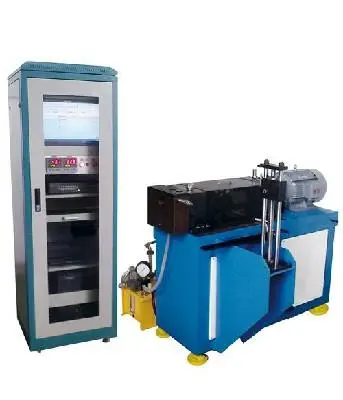 摩擦试验机
摩擦试验机
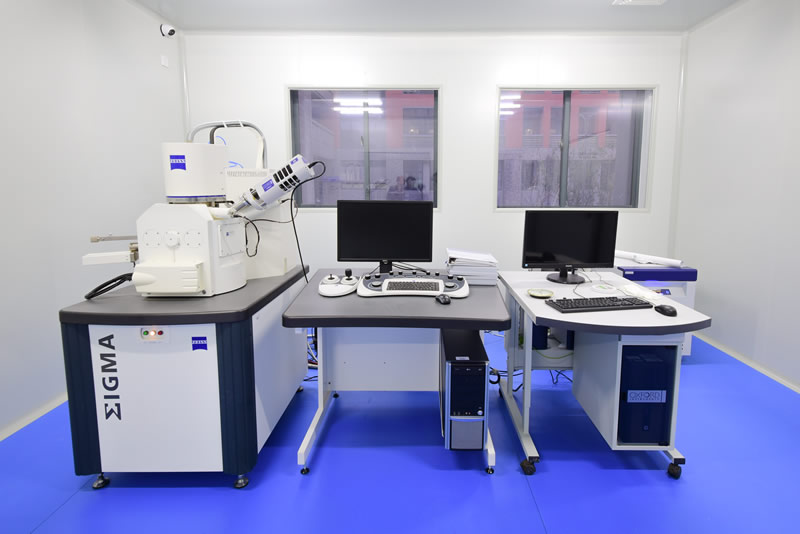 大型表征仪器
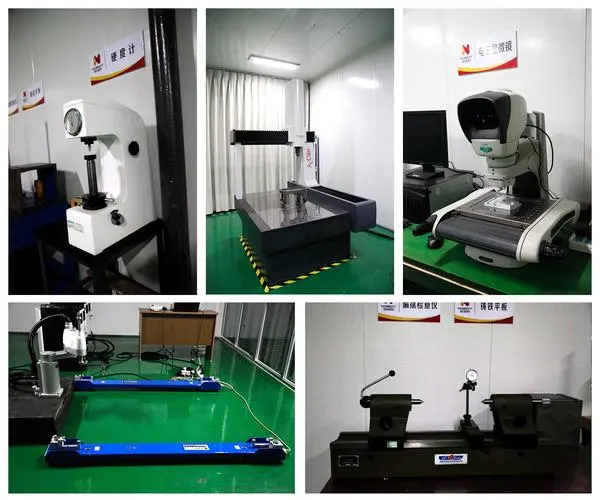 小型测试设备