This study presents a comprehensive experimental investigation into the high-speed dry drilling performance of wire arc additively manufactured (WAAM) Inconel 718 (IN718) using three carbide drill bits featuring distinct flank face geometries and coatings—TiN, AlTiN, and TiAlN. The research evaluates key machining performance metrics, including thrust force, torque, tool wear, surface roughness, hole geometry (circularity and cylindricity), and power consumption. Additionally, field-emission scanning electron microscopy (FE-SEM) analyses were conducted on worn tools, machined hole surfaces, and chips to understand wear mechanisms and surface integrity. The TiN-coated drill bit, characterized by a seamless cutting edge and margin-less design, demonstrated superior machinability across all evaluated parameters. It yielded the lowest tool wear, surface roughness, and power consumption, while maintaining high dimensional accuracy and consistent chip morphology. In contrast, the TiAlN-coated drill bit with straight cutting edges exhibited significantly inferior performance—showing approximately 50.97% higher tool wear, 48.60% higher surface roughness, and 38.62% greater power consumption than the TiN-coated tool. The AlTiN-coated drill, equipped with curved cutting edges, performed moderately, offering improved results over TiAlN but not matching the TiN-coated tool. These findings underscore the critical role of tool coating and geometry in high-speed machining of additively manufactured superalloys. The insights provided by this study, particularly the superior performance of the TiN-coated drill, offer practical guidance for tool selection and process optimization in aerospace and high-performance manufacturing environments involving WAAM IN718.
周老师: 13321314106
王老师: 17793132604


邮箱号码: lub@licp.cas.cn





 润滑剂
润滑剂
 润滑油添加剂
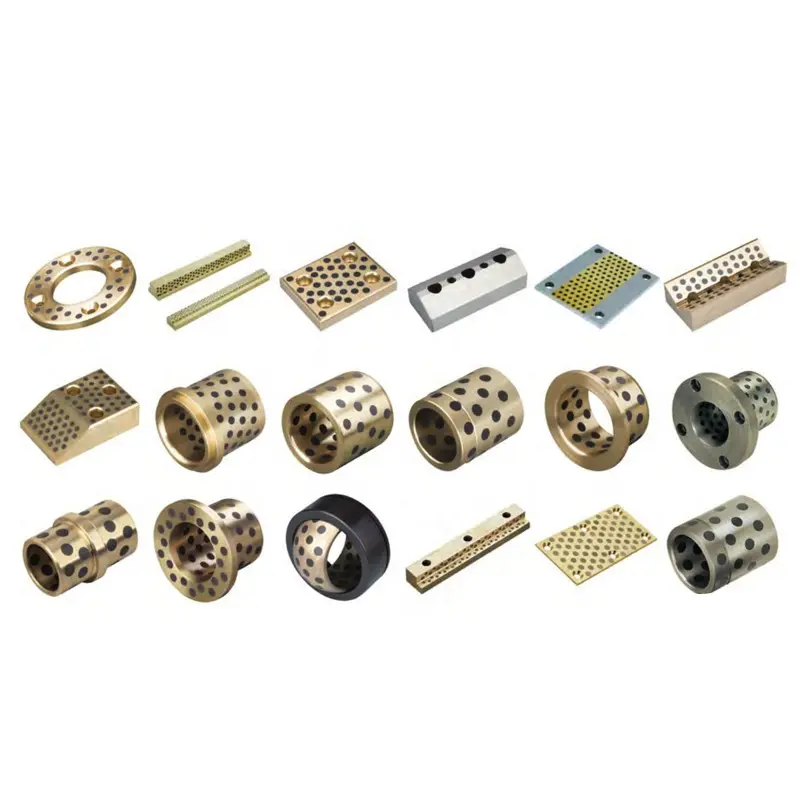 自润滑材料
自润滑材料
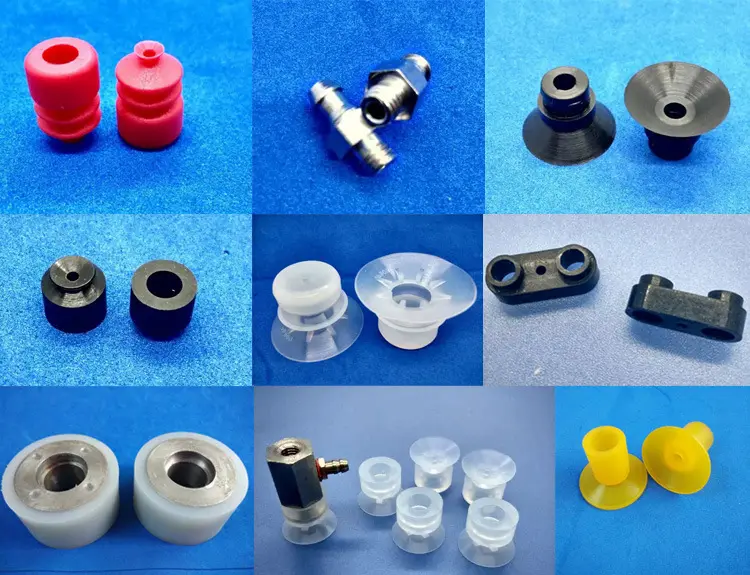 密封材料
密封材料
 新兴材料
新兴材料
 加工设备
加工设备
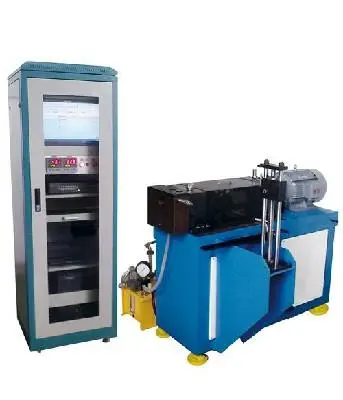 摩擦试验机
摩擦试验机
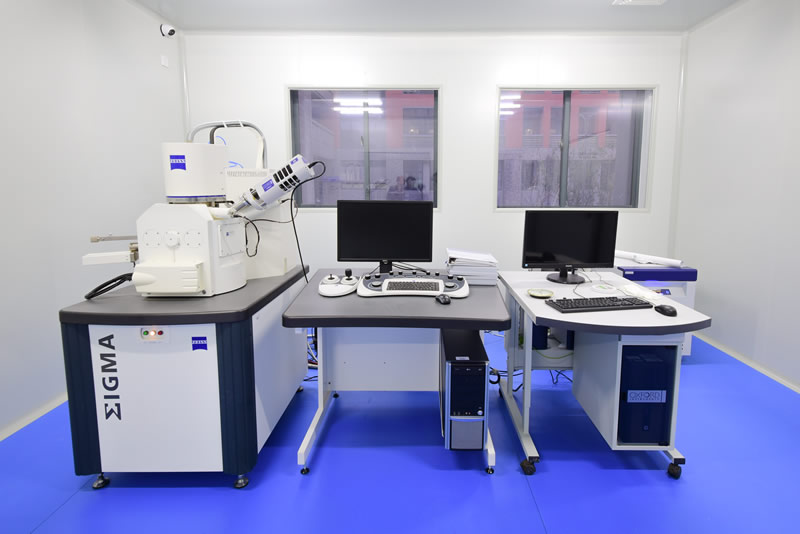 大型表征仪器
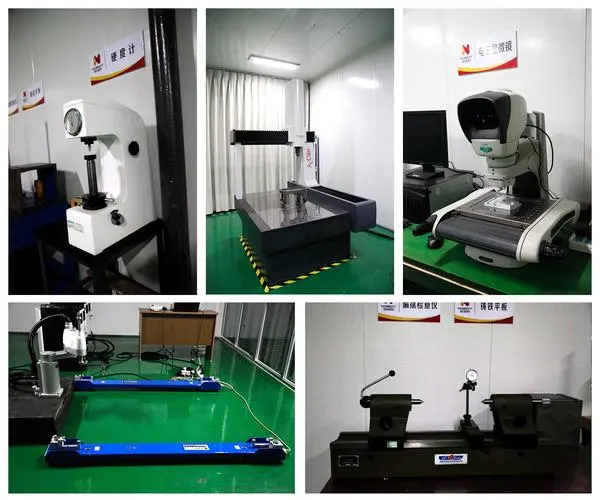 小型测试设备