The poor tribological performance of Ti6Al4V titanium alloy severely limits its application in moving components. Although hydrogenated diamond-like carbon (a-C:H) coatings can effectively improve their wear resistance, the mechanism underlying the load-driven evolution of the friction interface remains unclear. This study systematically investigates the tribological behavior and interfacial dynamic evolution of a-C:H coatings under different loads via multiscale characterization. Results show that the a-C:H coatings significantly reduced the coefficient of friction (COF) and wear rate by 61.08% and four orders of magnitude, respectively. With increasing load, the COF decreased monotonically, while the wear rate first decreased and then increased, reaching an optimum at 10 N. Raman spectroscopy and transmission electron microscopy (TEM) analyses revealed that the load drove the evolution from a state dominated by iron oxides to a mixed phase and finally to the formation of continuous carbon transfer films. Critically, higher loads accelerate the formation rates of the carbon transfer film while promoting its graphitization, enabling rapid surface coverage that suppresses oxidative wear. This kinetic control facilitates the transition in the friction mechanism from oxidative wear to efficient shear lubrication by the carbon transfer film. This work establishes that the kinetic regulation of the interfacial pathway is the central mechanism through which load optimizes tribological performance, providing a foundational principle for the load-adaptive design of surface coatings on titanium alloys.
周老师: 13321314106
王老师: 17793132604


邮箱号码: lub@licp.cas.cn





 润滑剂
润滑剂
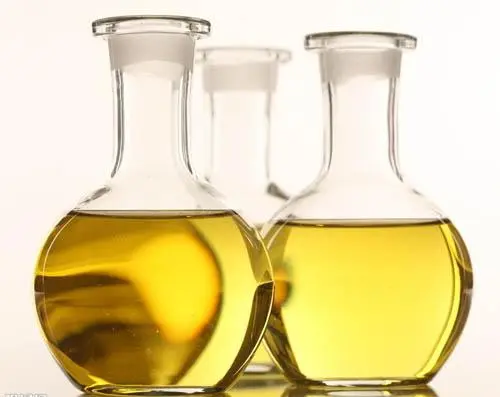 润滑油添加剂
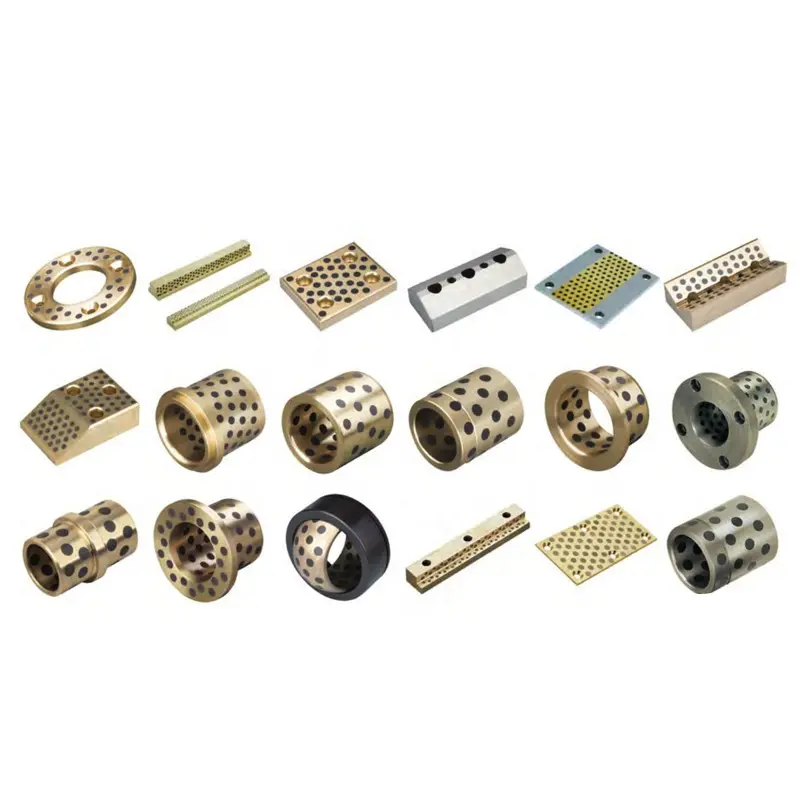 自润滑材料
自润滑材料
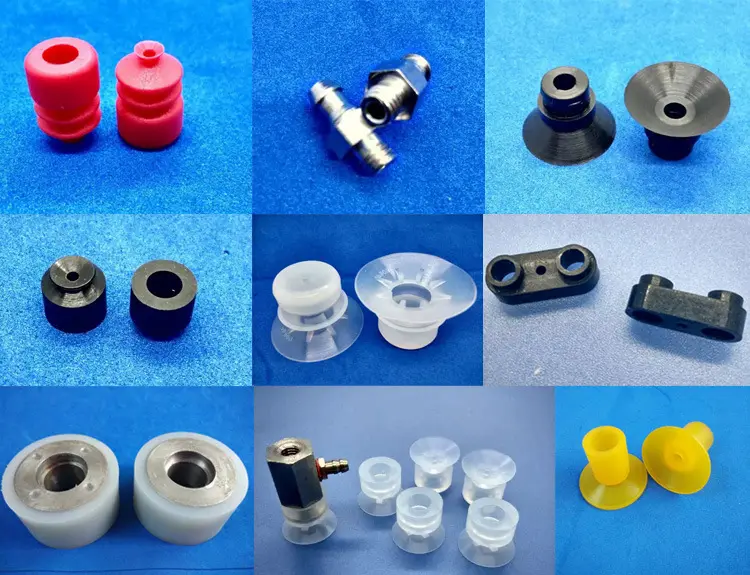 密封材料
密封材料
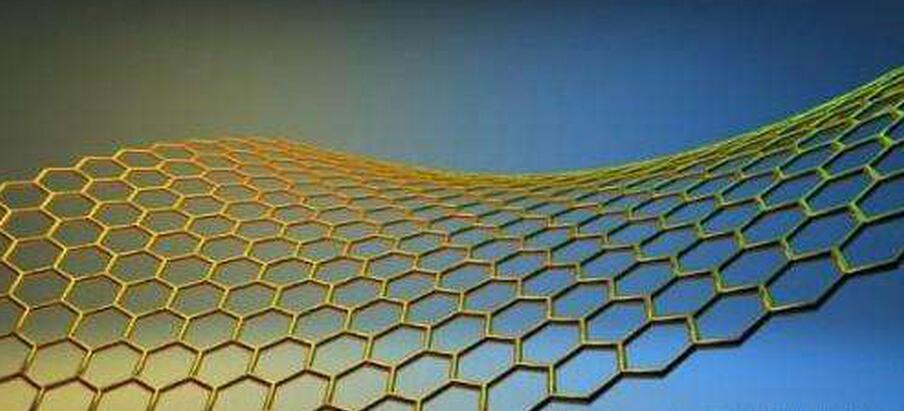 新兴材料
新兴材料
 加工设备
加工设备
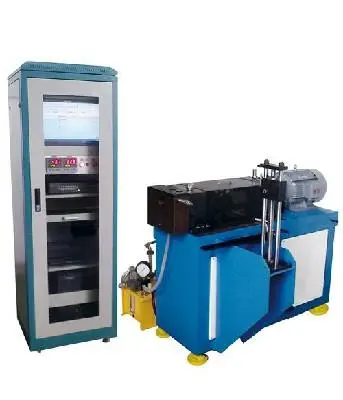 摩擦试验机
摩擦试验机
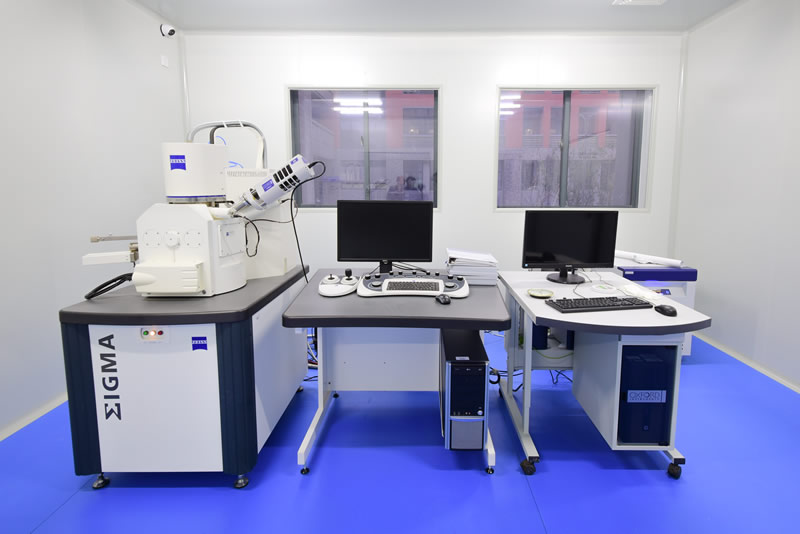 大型表征仪器
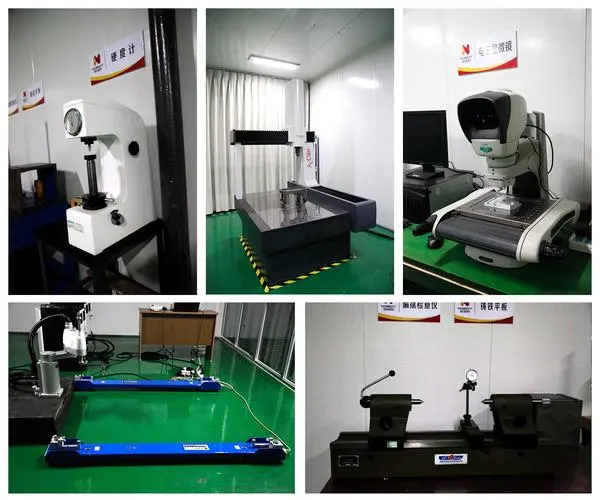 小型测试设备