Titanium diboride is a high performance ceramic material with excellent hardness, wear resistance and electrical conductivity, which has important applications in aerospace, defense, and high temperature materials. In this work, we conducted a computational analysis of the structural properties of its network based on graph-theoretical indices for connectivity and information content. We study model the crystal lattice of the material as a molecular graph to investigate how network size affects structure complexity and diversity. The lattice is characterized with descriptors based on entropy that quantify trends of disorder, uniformity, and coordination. Python algorithms make these structural properties automatically computable, both in real time and over huge amounts of data, and reproducible (synthetically or in simulations). The results exhibit clear trends that differentiate highly variable structure regions from more repetitive and stable ones, revealing the contribution of the connectivity on the macroscopic behavior. The computational methodology developed provides a quantitative background for interpreting the structural features of titanium diboride and can be applied to study other problems in materials science and nanotechnology.
周老师: 13321314106
王老师: 17793132604


邮箱号码: lub@licp.cas.cn





 润滑剂
润滑剂
 润滑油添加剂
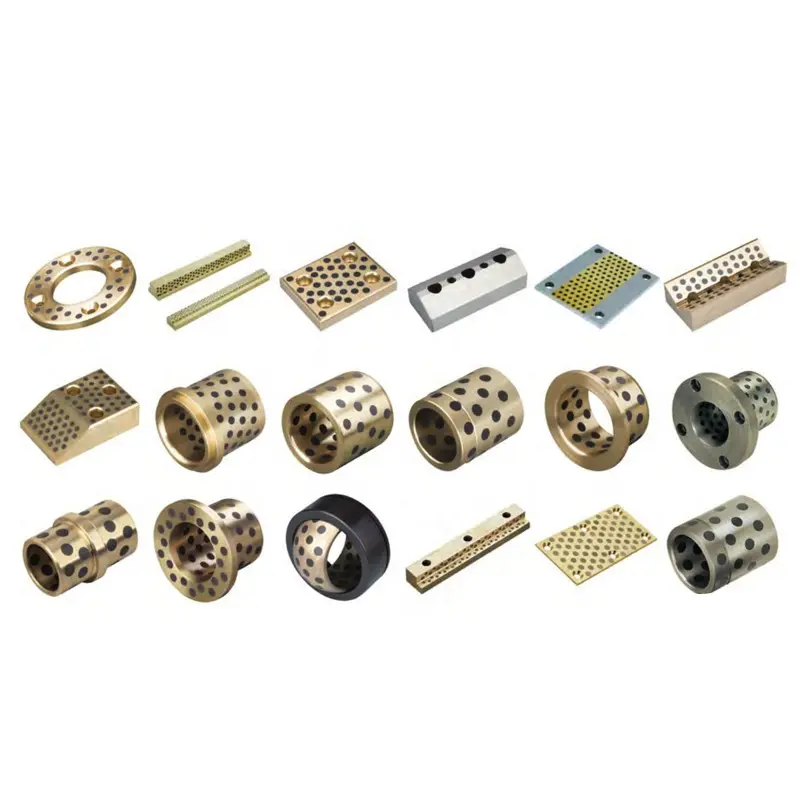 自润滑材料
自润滑材料
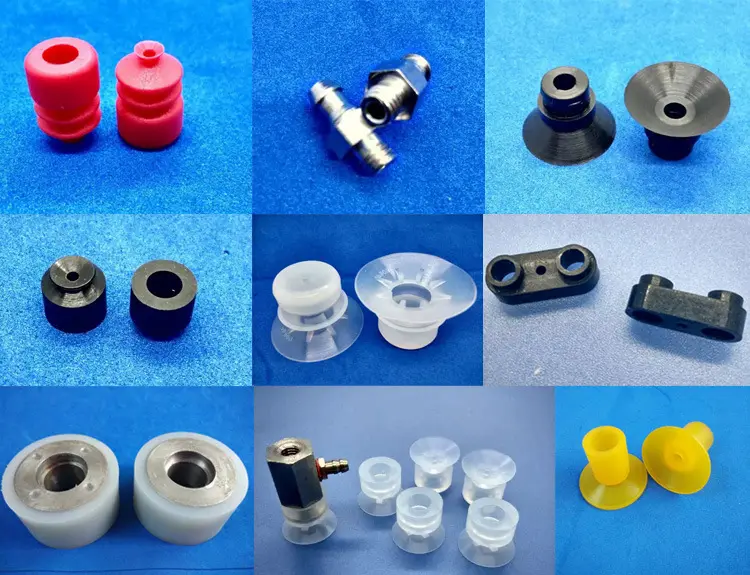 密封材料
密封材料
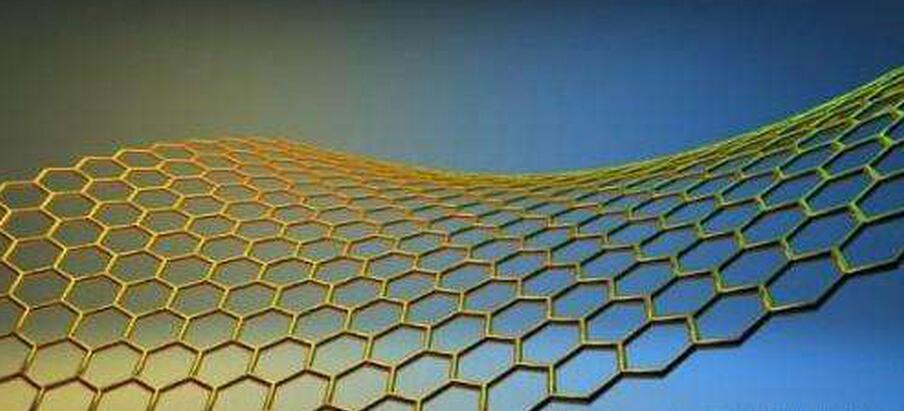 新兴材料
新兴材料
 加工设备
加工设备
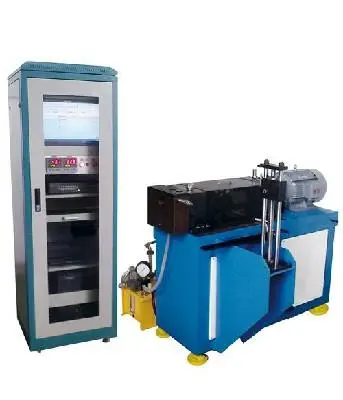 摩擦试验机
摩擦试验机
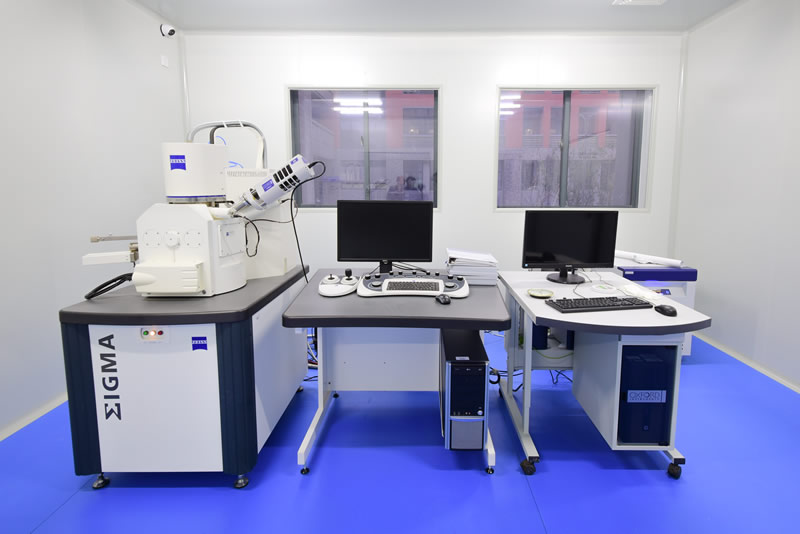 大型表征仪器
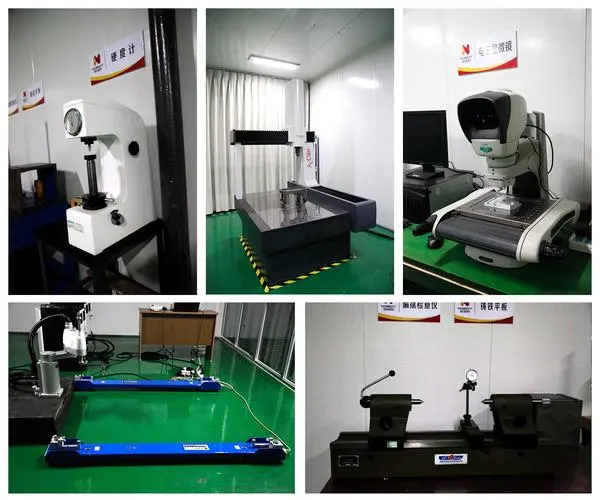 小型测试设备