Incorporating suction, ohmic heating, and viscous dissipation, over a stretching sheet is crucial for accurately modeling thermal and fluid flow behavior in engineering and industrial applications. This study explores a hybrid nanofluid (CuO–Al2O3/H2O) transient thermal and flow characteristics as it flows over a radial stretching surface subjected to suction and viscous dissipation. The governing equations for momentum and energy are converted into a set of ordinary differential equations by the application of suitable similarity transformations. The Keller box technique solves the differential equations, resulting in a robust numerical solution. Additionally, multiple linear regression analysis is used to model the connections between the parameters statistically. The study reveals that suction and magnetic forces diminish the fluid flow profile, while the interplay between Eckert number and magnetic field intensity augments thermal distribution, leading to enhanced heat transfer efficiency. The tabular form illustrates the local variations in the friction factor and dimensionless temperature gradient based on different variables. The heat transfer behavior is notably affected by the Eckert number (0.1 ≤ EC ≤ 0.7), magnetic parameter (0.2 ≤ Mg ≤ 0.8), unsteadiness parameter (0.1 ≤ AP ≤ 0.4), and suction parameter (0.3 ≤ SP ≤ 0.9). The findings of the current study were compared with earlier research, showing a high degree of correlation and supporting the validity of the present investigation. The multiple linear regression analysis shows substantial relationships between the parameters and the response variables, with high coefficients of determination (R2). This model demonstrates superior thermal performance, making it highly suitable for practical applications such as heat exchangers, cooling technologies, and electronic thermal management. The magnetic field facilitates precise manipulation of fluid flow, while the synergistic effects of viscous dissipation and suction enhance thermal management and stability, resulting in optimized system performance and reduced operational expenditures.
周老师: 13321314106
王老师: 17793132604


邮箱号码: lub@licp.cas.cn





 润滑剂
润滑剂
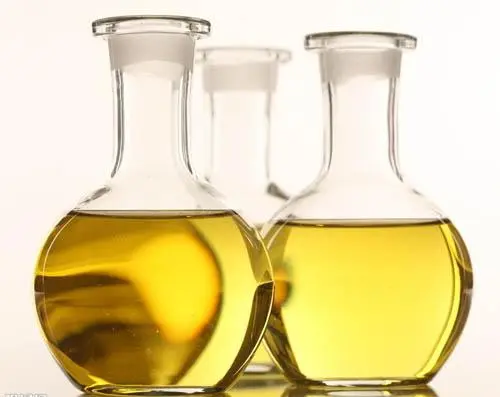 润滑油添加剂
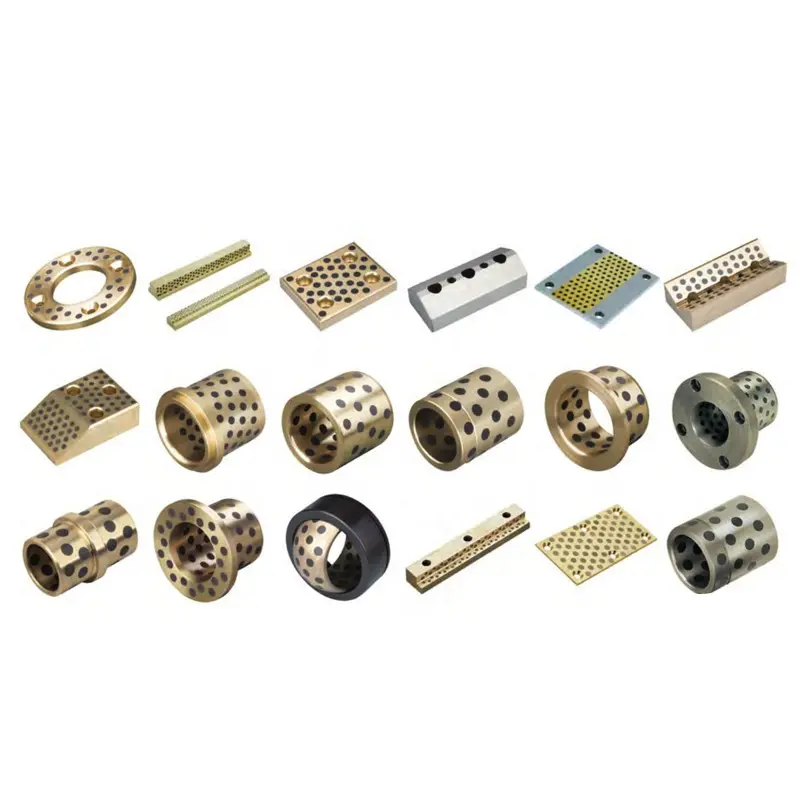 自润滑材料
自润滑材料
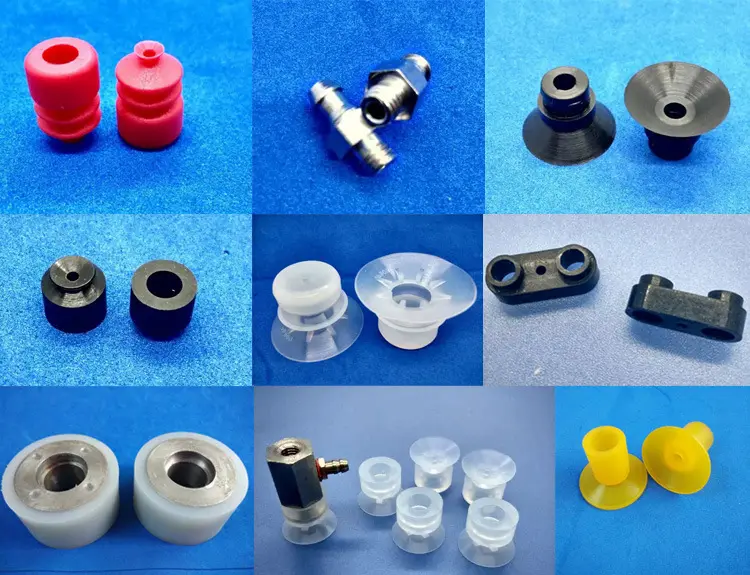 密封材料
密封材料
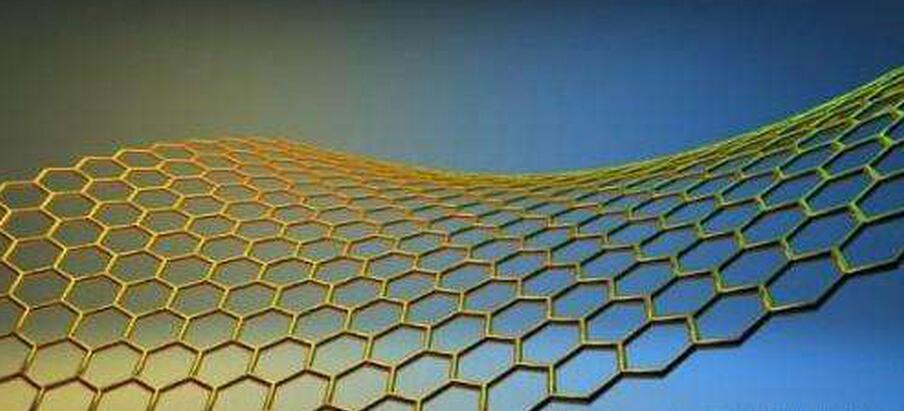 新兴材料
新兴材料
 加工设备
加工设备
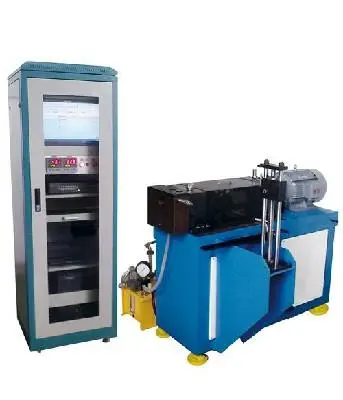 摩擦试验机
摩擦试验机
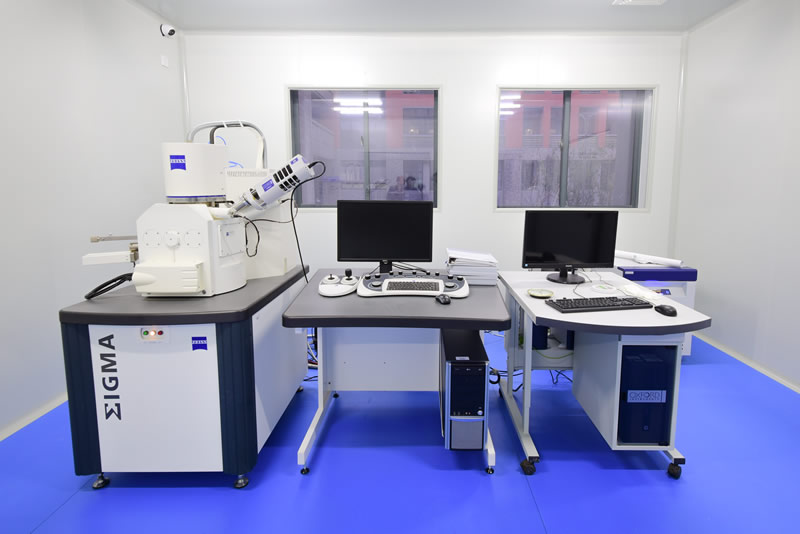 大型表征仪器
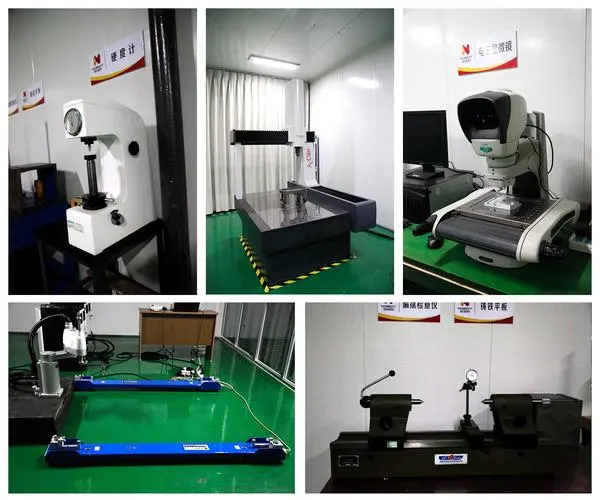 小型测试设备