There is a notable deficiency in detailed investigations regarding the impact of abrasive elements on the friction and wear of dental restorations. Therefore, the primary objective of this study was to analyse how abrasive particles in toothpastes affect the friction and wear of dental fillings. The coefficient of friction (CoF) was evaluated as a time course from a brushing simulation conducted on a UMT TriboLab tribometer, which measured frictional and normal forces over a duration of 260 min. The tribological system consisted of three components: a Curaprox Ultra Soft 5460 toothbrush, a sample of dental filling material, and a mixture of artificial saliva (AS) combined with selected toothpaste. Six different toothpastes were evaluated (four for adults and two for children), varying in relative dentin abrasivity (RDA) values. Measurements with AS served as reference data. Wear was quantified by topographical analysis using a Bruker Contour GT-X optical profilometer to assess the samples before and after brushing, followed by volume loss calculations. Particle morphology was studied using a Tescan MIRA3 microscope, and the element analysis of evaluated toothpastes was performed using energy-dispersive X-ray spectroscopy (EDX). Results indicated that friction was highly variable, influenced by the random presence of particles in contact. While wear and particle size generally increased with RDA value, this relationship was not entirely consistent. Finally, it was revealed that the aggregate size of pastes and their density also affected the friction and wear of the fillings. Graphical Abstract
周老师: 13321314106
王老师: 17793132604


邮箱号码: lub@licp.cas.cn





 润滑剂
润滑剂
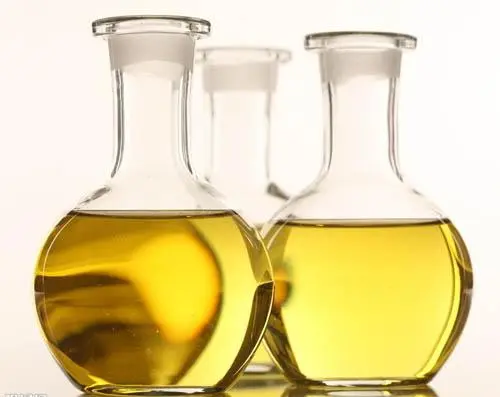 润滑油添加剂
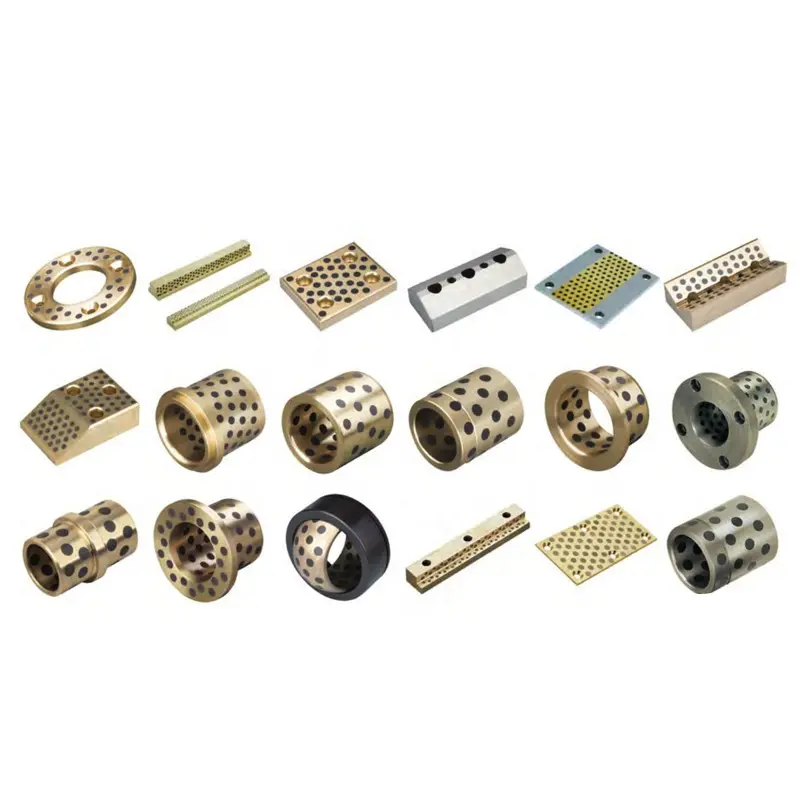 自润滑材料
自润滑材料
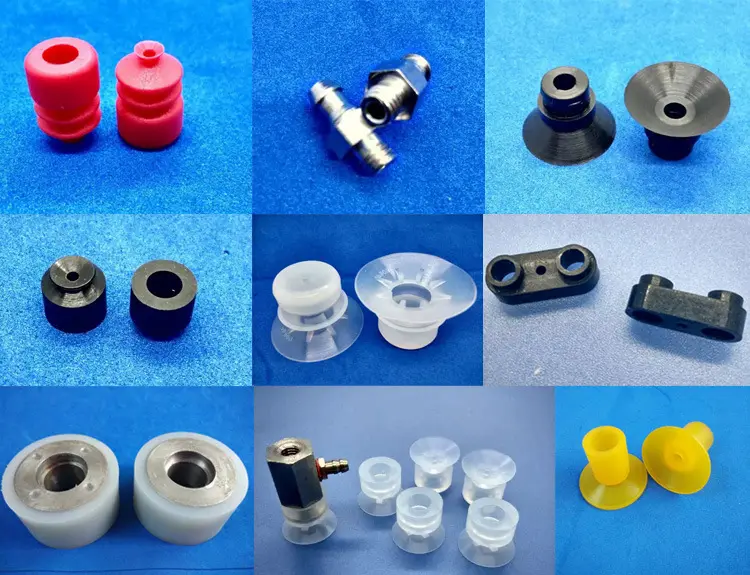 密封材料
密封材料
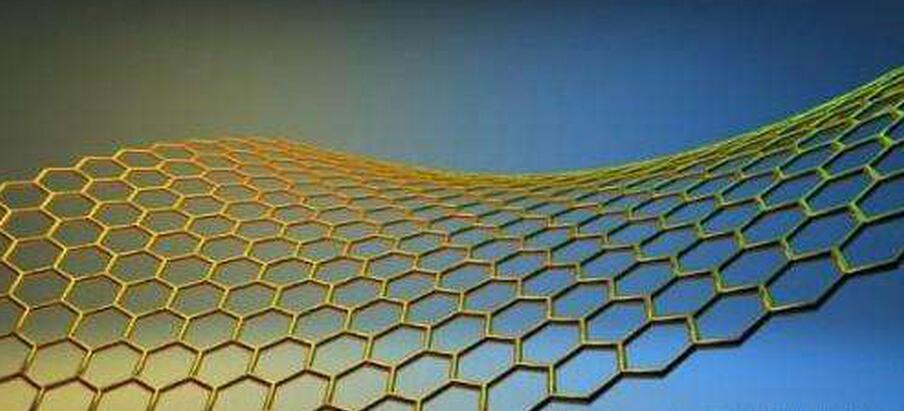 新兴材料
新兴材料
 加工设备
加工设备
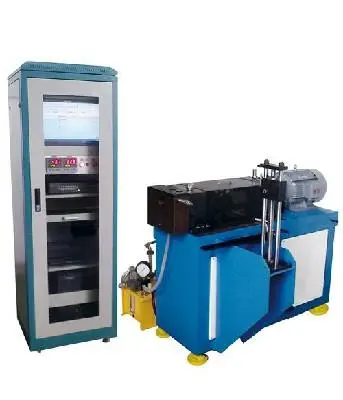 摩擦试验机
摩擦试验机
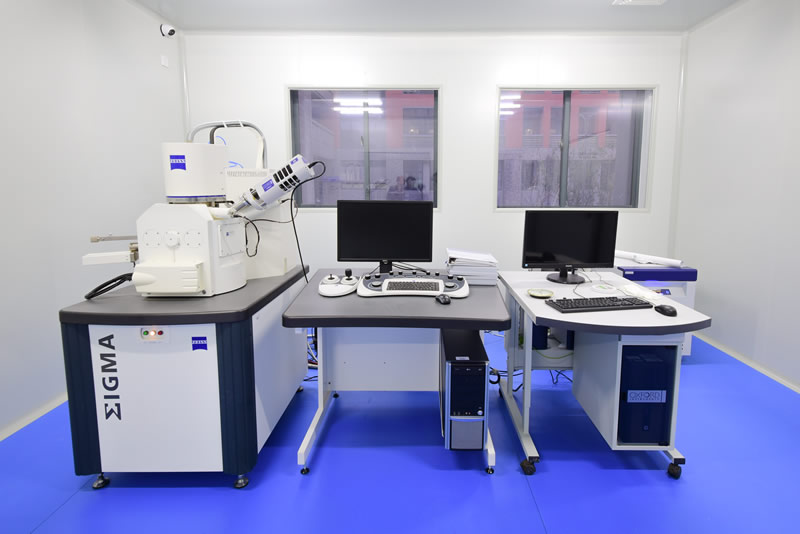 大型表征仪器
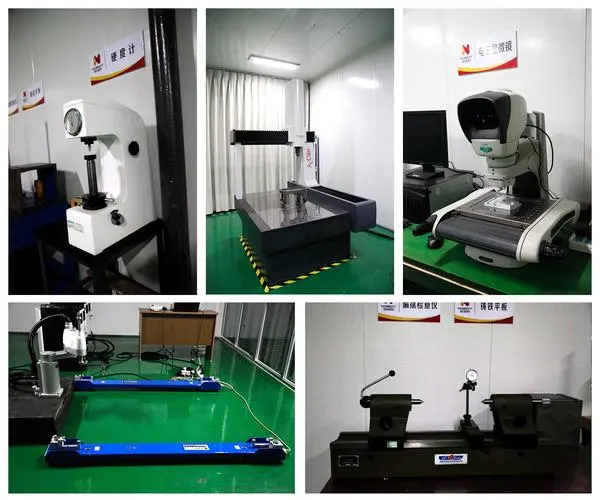 小型测试设备