This study investigates the performance of woven fabrics developed using modified cotton fabric, where the weft yarns consist of roving and the warp yarns are conventional spun yarns, aiming to enhance absorbency and moisture transport properties in functional absorbent textile products. Two weave structures - plain and twill - were produced with varying weft densities of 5, 7, and 9 picks/cm, using roving yarns with a yarn count of Ne 1.1 in the weft direction. A comprehensive set of standard tests was conducted, including air permeability, thermal conductivity, abrasion resistance, pilling grades, tensile strength, dimensional stability, fabric friction, fabric roughness, and moisture management performance. Two-way ANOVA was used to examine the relationships between fabric structure, pick density, and the measured performance properties, while a radar chart was employed to evaluate and compare the samples by integrating their physical, mechanical, and tactile characteristics. T9 (Twill – 9 picks/cm) ranked as the top-performing sample, followed by P9 (Plain – 9 picks/cm) and T5 (Twill – 5 picks/cm). However, based on moisture-management indicators, specifically the One-Way Transport Index (905.2%) and Overall Moisture Management Capacity (0.98), T5 showed the highest absorption efficiency, T5 optimizes moisture functionality, illustrating a trade-off between mechanical/tactile properties and moisture-management performance.
周老师: 13321314106
王老师: 17793132604


邮箱号码: lub@licp.cas.cn





 润滑剂
润滑剂
 润滑油添加剂
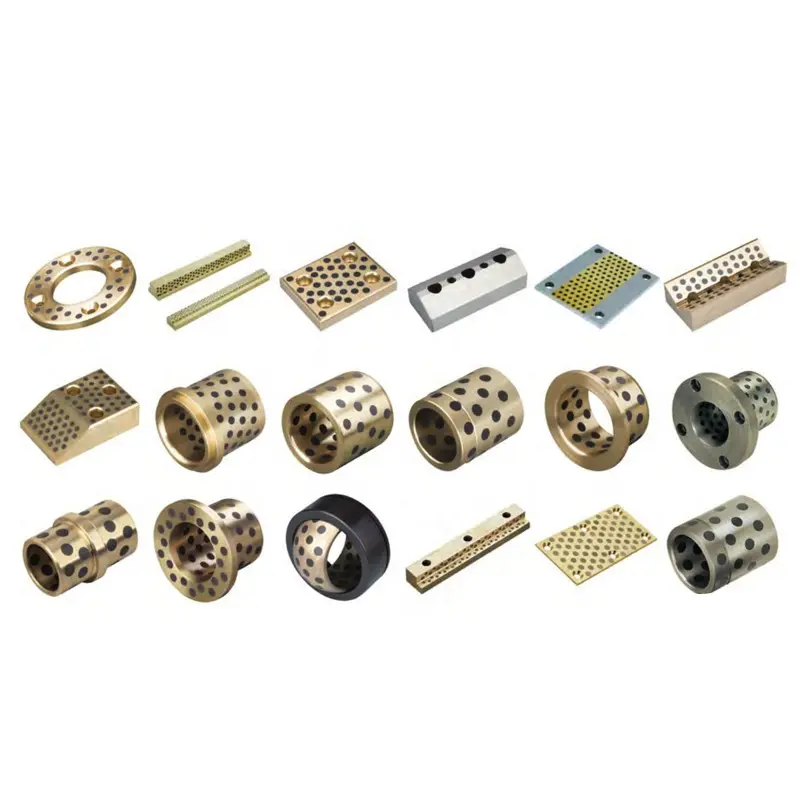 自润滑材料
自润滑材料
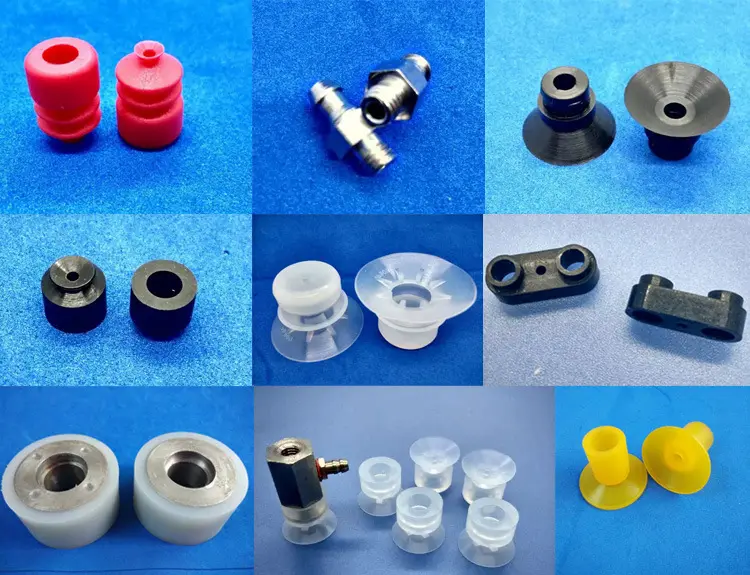 密封材料
密封材料
 新兴材料
新兴材料
 加工设备
加工设备
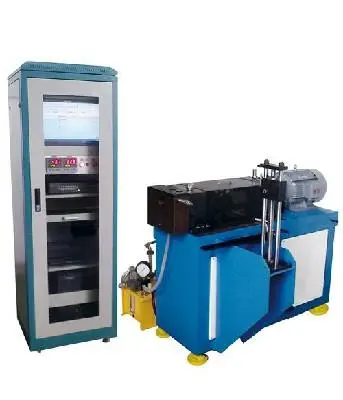 摩擦试验机
摩擦试验机
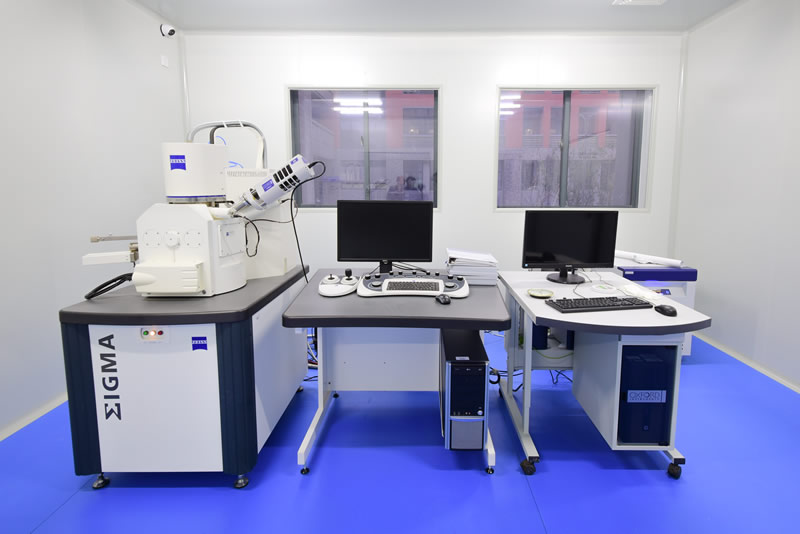 大型表征仪器
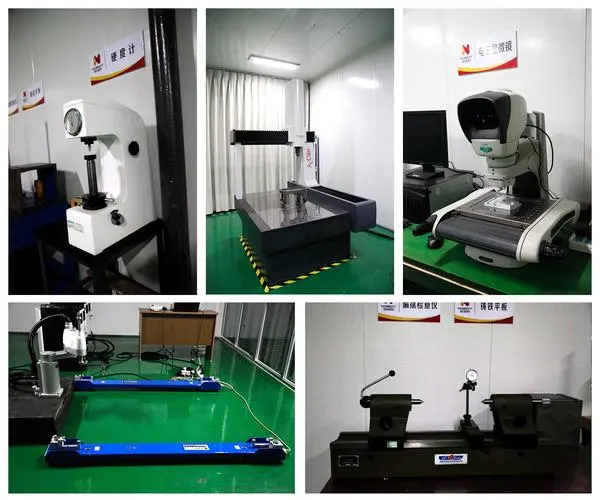 小型测试设备