Tissue-level phase transitions are emerging as a crucial mechanism in tumour development and metastasis. When becoming invasive, epithelial tumours undergo a transition from a solid-like state to a more fluid-like one. Although the contributions of cell adhesions, traction forces and cell migration for such behaviour are known, the exact biophysical and molecular mechanisms controlling these transitions are not fully understood. Here we show that breast cancer cell fluidity is regulated by IRSp53, a protein linking plasma membranes to the cytoskeleton. In both two-dimensional monolayers and three-dimensional spheroids, the depletion of IRSp53 increases fluidity and active wetting of the substrate due to a decrease in intercellular friction and enhanced local cell rearrangements. Molecularly, IRSp53 interacts with the junctional protein Afadin to control global tensile state and active wetting, establishing these proteins as key regulators of epithelial collectives’ viscosity in breast cancer tumouroids. In breast cancer patient samples, low IRSp53 expression levels and aberrant localization correlate with worse clinical outcomes. These findings support the broader relevance of IRSp53-regulated mechanics in epithelia and their potential prognostic value in cancer.
周老师: 13321314106
王老师: 17793132604


邮箱号码: lub@licp.cas.cn





 润滑剂
润滑剂
 润滑油添加剂
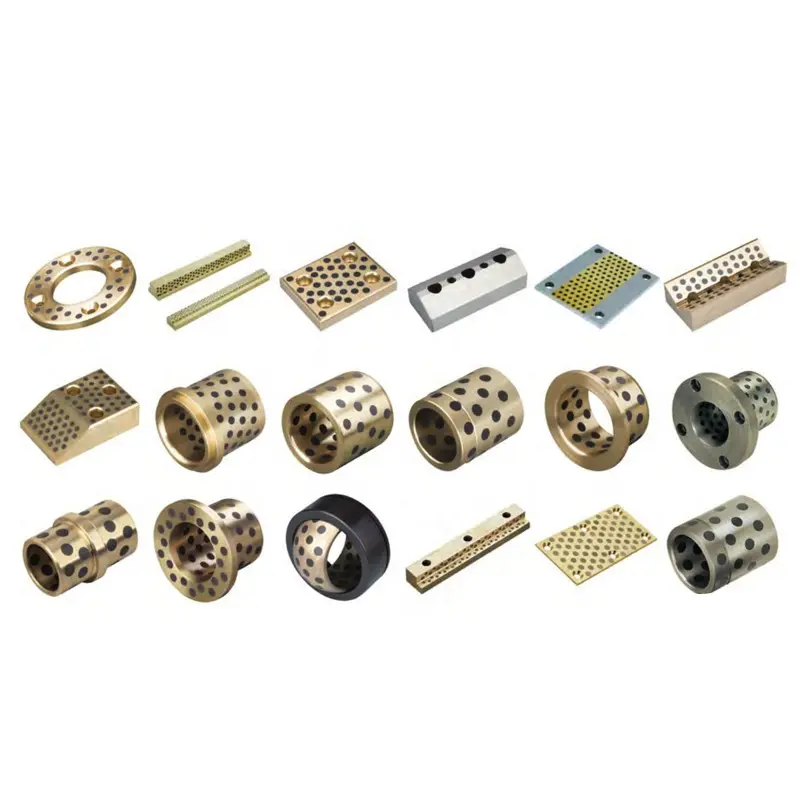 自润滑材料
自润滑材料
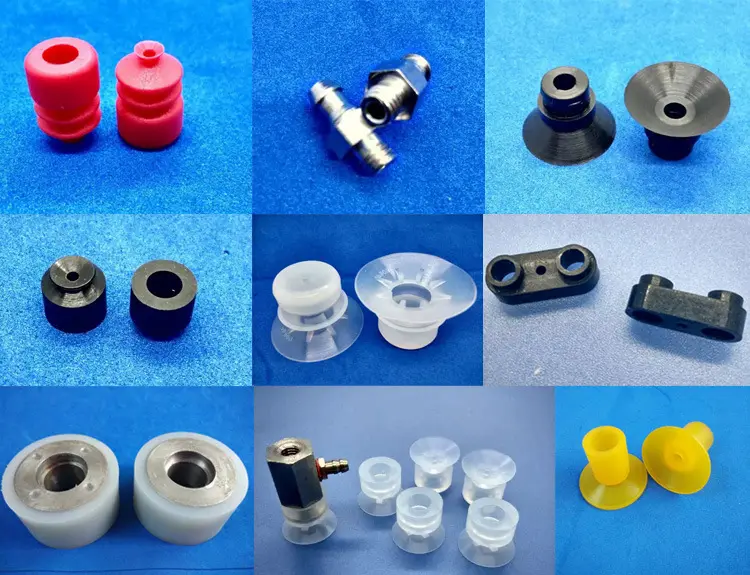 密封材料
密封材料
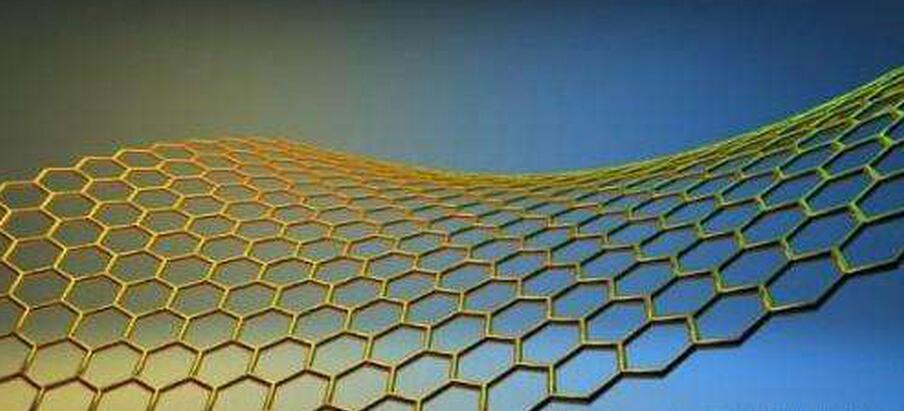 新兴材料
新兴材料
 加工设备
加工设备
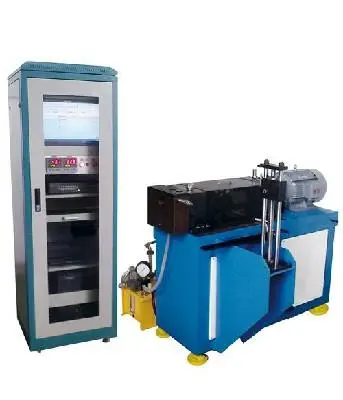 摩擦试验机
摩擦试验机
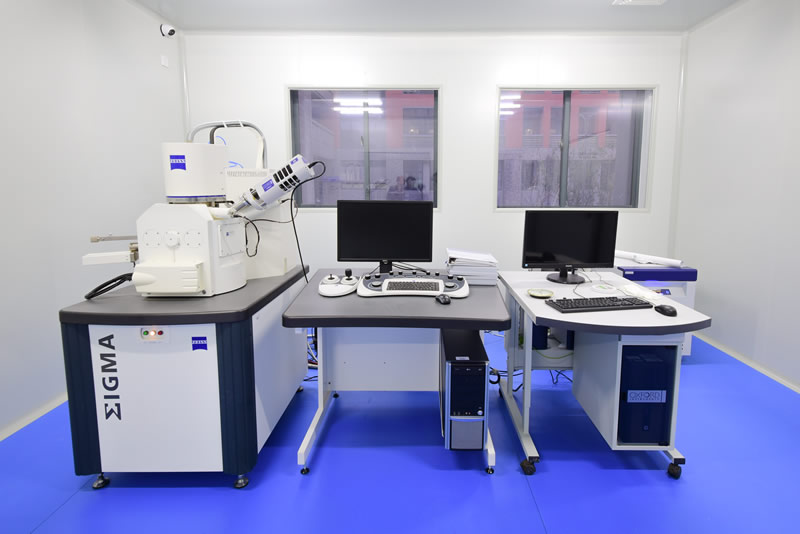 大型表征仪器
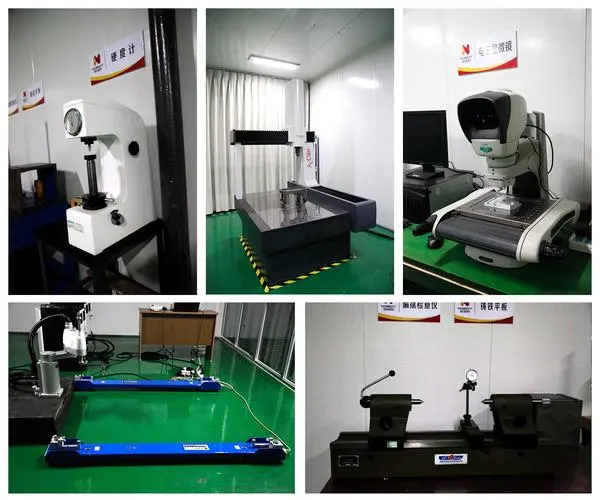 小型测试设备