Ternary hybrid nanofluids(THNFs) are a revolutionary advancement in thermal management, offering remarkable thermal conductivity that significantly boosts heat transfer efficiency. THNFs are ideal for cooling systems, solar energy applications, and electronic device regulation, where effective heat management is crucial. By fine tuning their composition, researchers can tailor these nanofluids to meet specific industrial needs, leading to improved efficiency and energy savings. The goal of current study is twofold: first, to examine the improvement of heat, mass, and motile density of THNF, and secondly, to investigate the irreversibilities in bioconvective dihybrid and trihybrid nanofluids. The THNF is formulated by suspension of nanoparticles of cobalt ferrite \(\left( {{\text{CoFe}}_{{2}} {\text{O}}_{{4}} } \right)\), disulfide (dithioxo) molybdenum \(\left( {{\text{MoS}}_{{4}} } \right)\), and copper (Cu) into pure engine oil \(\left( {{\text{C}}_{{8}} {\text{H}}_{{{18}}} } \right)\). For dihybrid nanofluid the volume fraction of copper is taken as zero. Maxwell fluid model is utilized to analyze the performance of THNF and dihybrid nanofluid(DHNF). The flow in THNF and DHNF is induced due to an impermeable stretched sheet. Flow governing equations for DHNF and THNF are obtained considering diverse assumptions like electro-magnetohydrodynamic(EMHD), Dufour, Soret, chemical reaction, thermal radiation, and activation energy. Irreversibilities are modeled with the help of thermodynamics second law. The model equations are altered into ordinary system via transformation procedure. Numerical simulations are carried out through built-in function(NDSolve) of Mathematica. Impact of generated variables on DHNF and THNF velocity, thermal field, motile density profile and mass concentration are examined. Comparative analysis for THNF and DHNF is performed. Furthermore, local heat, mass, density, and skin friction coefficient for THNF and DHNF are numerically investigated. Numerical results show that the skin friction coefficient for THNF is 3.2% more than that of DHNF, and the heat transfer rate of THNF is up to 16% higher than that of DHNF. The density number of DHNF is about 1.08% less than that of THNF.
周老师: 13321314106
王老师: 17793132604


邮箱号码: lub@licp.cas.cn





 润滑剂
润滑剂
 润滑油添加剂
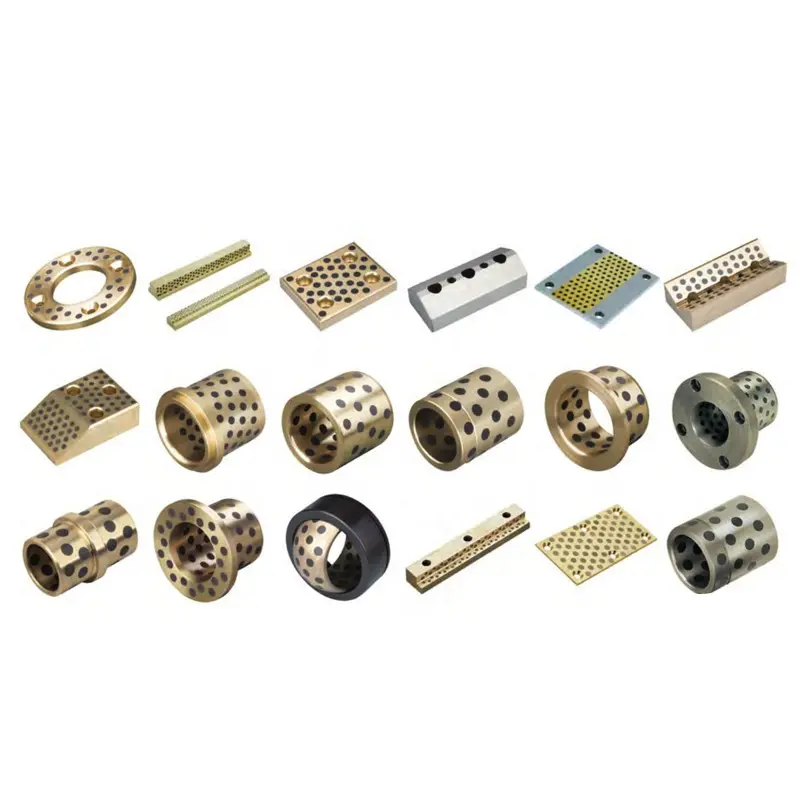 自润滑材料
自润滑材料
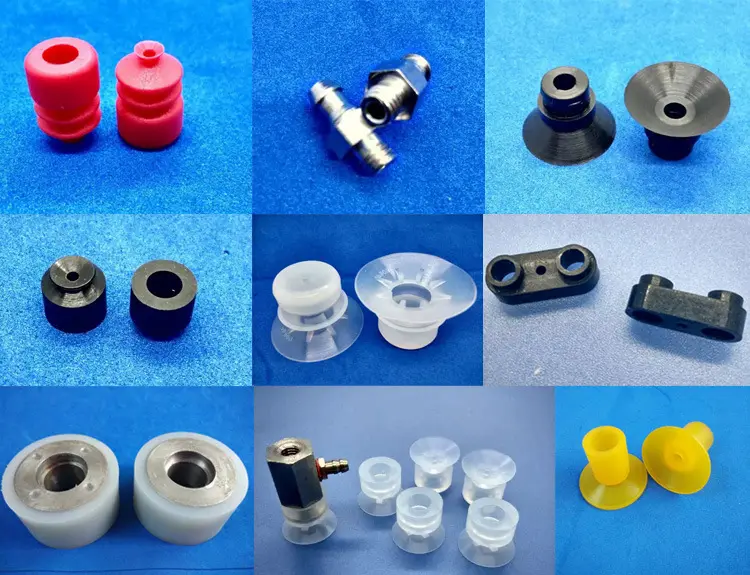 密封材料
密封材料
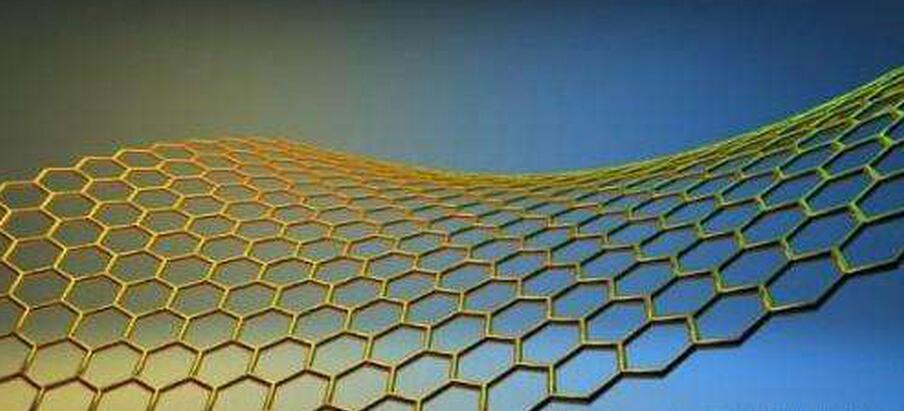 新兴材料
新兴材料
 加工设备
加工设备
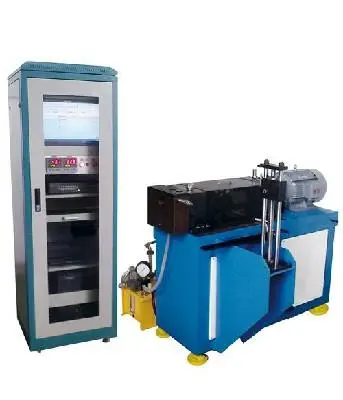 摩擦试验机
摩擦试验机
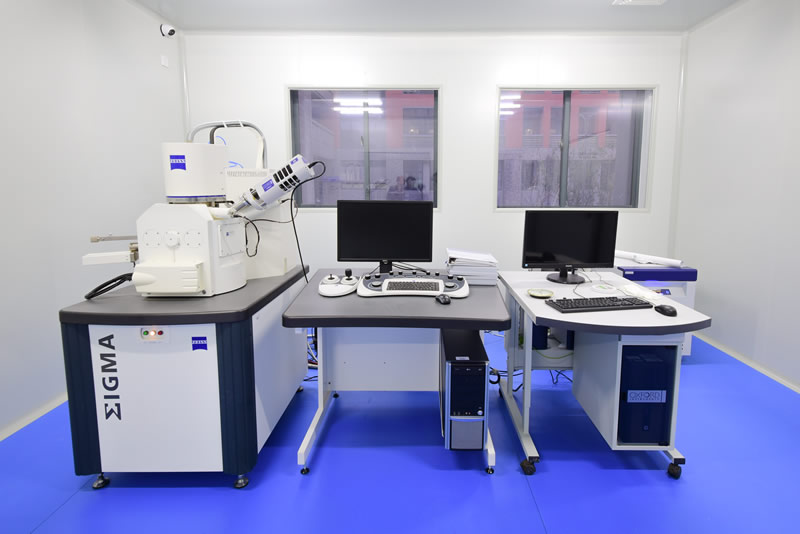 大型表征仪器
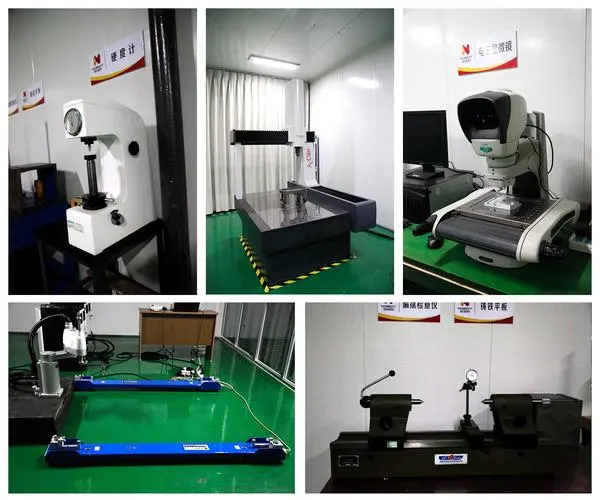 小型测试设备