This study investigates the high temperature dry sliding wear behavior of base alloy (Ti-6Al-4V) and its surface engineered variants developed through conventional Tungsten Inert Gas (TIG) arc treatment both with and without ceramic reinforcements (SiC and B4C). Pin on disc wear tests were conducted at room temperature, 150 °C, and 300 °C under normal loads of 3 kg and 6 kg to simulate realistic thermomechanical service conditions. Microstructural and phase evolution were analyzed using optical microscopy, Field Emission Scanning Electron Microscopy (FESEM) and Energy-Dispersive X-ray Spectroscopy (EDS), while the mechanical response was evaluated through microhardness and high temperature wear testing. TIG arc surface modification led to significant refinement in microstructure and a notable hardness enhancement from ∼250 HV in the base metal to ∼840 HV in B4C reinforced samples corresponding to a ∼232% increase due to the formation of hard phases like TiB and TiC. This improvement in mechanical properties translated into remarkable wear resistance at elevated temperatures. The B4C + TIG samples exhibited the most superior performance achieving wear depth reductions of up to ∼52% at room temperature, ∼85% at 150 °C, and maintaining wear increase below 10% even at 300 °C under high load outperforming SiC + TIG, BM + TIG, and unmodified Ti64. Overall, TIG arc surface engineering particularly with B4C reinforcement proves to be an effective strategy to enhance the high temperature tribological performance of base alloy making it highly suitable for aerospace, biomedical, and automotive applications.
周老师: 13321314106
王老师: 17793132604


邮箱号码: lub@licp.cas.cn





 润滑剂
润滑剂
 润滑油添加剂
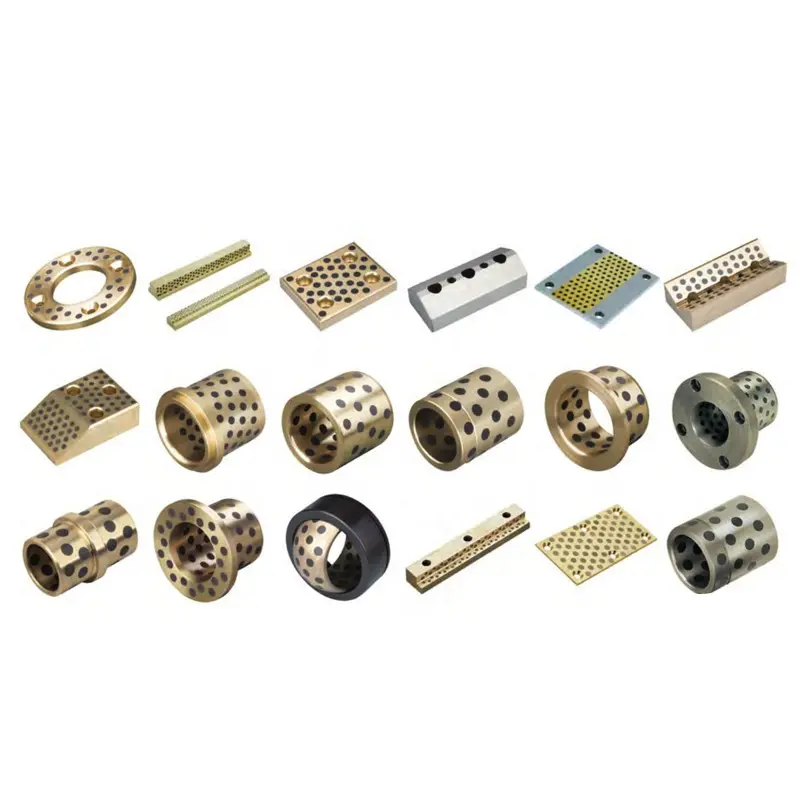 自润滑材料
自润滑材料
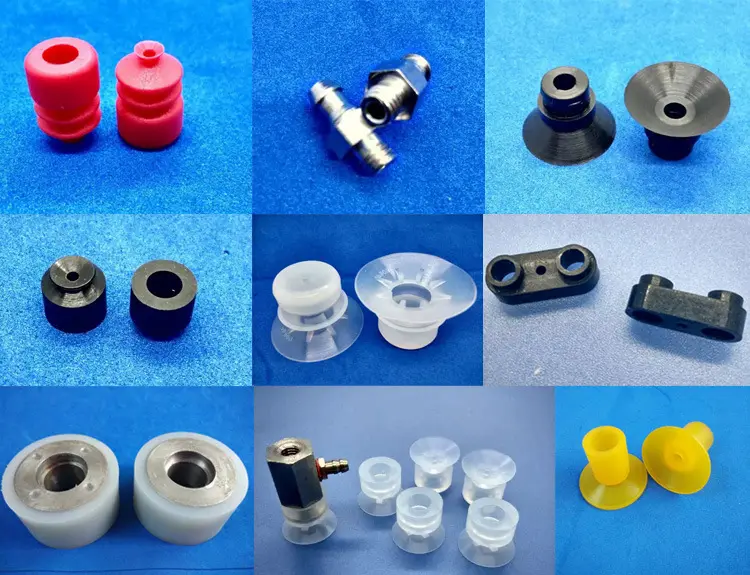 密封材料
密封材料
 新兴材料
新兴材料
 加工设备
加工设备
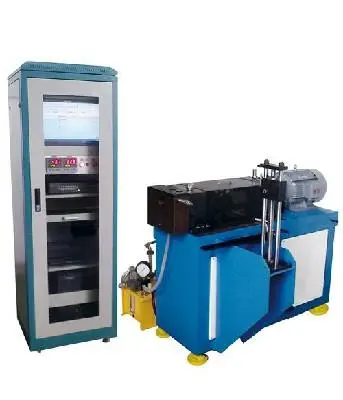 摩擦试验机
摩擦试验机
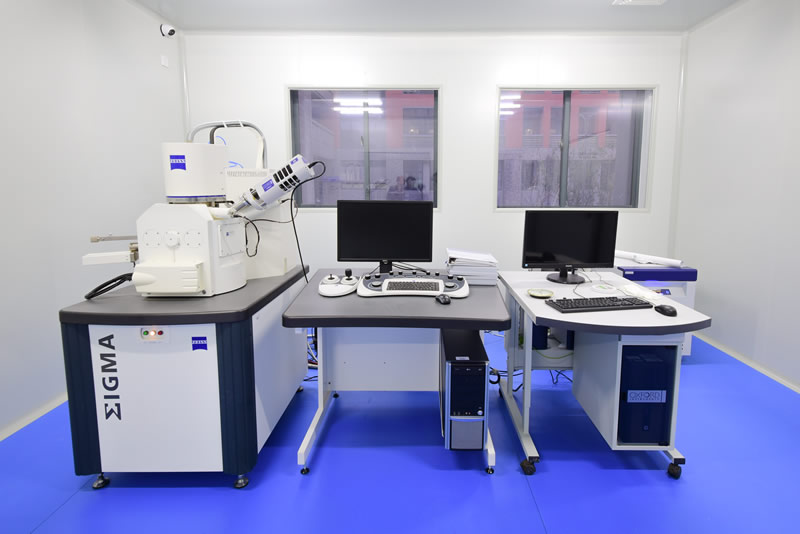 大型表征仪器
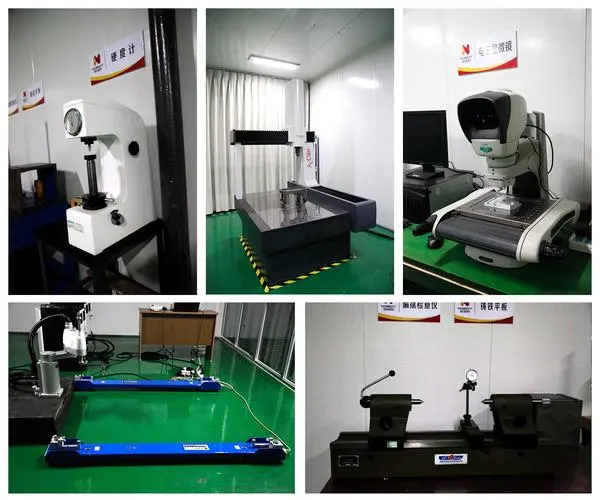 小型测试设备