Friction and friction-induced noise and vibration influence comfort and efficiency in various systems. In some systems, for example in electric vehicles, Noise, Vibration, and Harshness (NVH) are more noticeable and critical for comfort and efficiency. Lubricants are among the limited active means to reduce NVH in such systems. However, the absence of a standard method to assess NVH in lubricated contacts hinders lubricant development. To overcome this limitation, this study developed a tribometer to evaluate both friction and NVH characteristics under boundary lubrication conditions. The design eliminates the need for a motor to reduce system-generated noise and vibration. It also omits the load cell that alters contact stiffness. The NVH Tribometer uses a pendulum-based mechanism. A non-contact rotary encoder captures amplitude decay to evaluate friction. A microphone and an accelerometer placed near the tribo-contact record friction-induced noise and vibration. Controlled temperature and flexible tribo-contact configurations enable realistic test conditions. The tribometer was validated using a base oil and a blend of base oil with ZDDP across the velocity range up to 55 mm/s. The ZDDP blend exhibited lower friction, reduced RMS noise and vibration levels of 34.72 dB and 0.04 milli − g , compared to 40.78 dB and 0.63 milli − g for the base oil. Further, SEM confirmed tribofilm formation, and TEM revealed a film thickness of about 35 nm, explaining reduced friction and improved NVH performance.
周老师: 13321314106
王老师: 17793132604


邮箱号码: lub@licp.cas.cn





 润滑剂
润滑剂
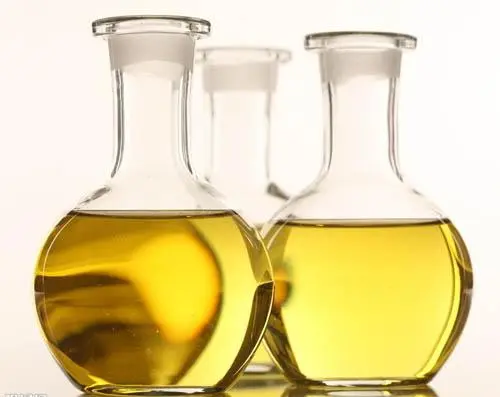 润滑油添加剂
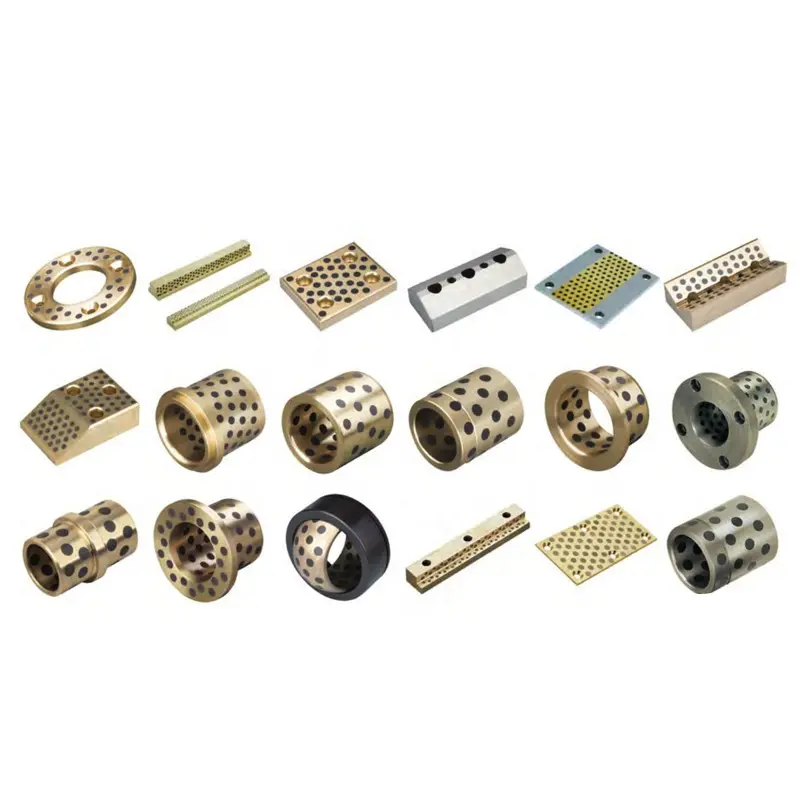 自润滑材料
自润滑材料
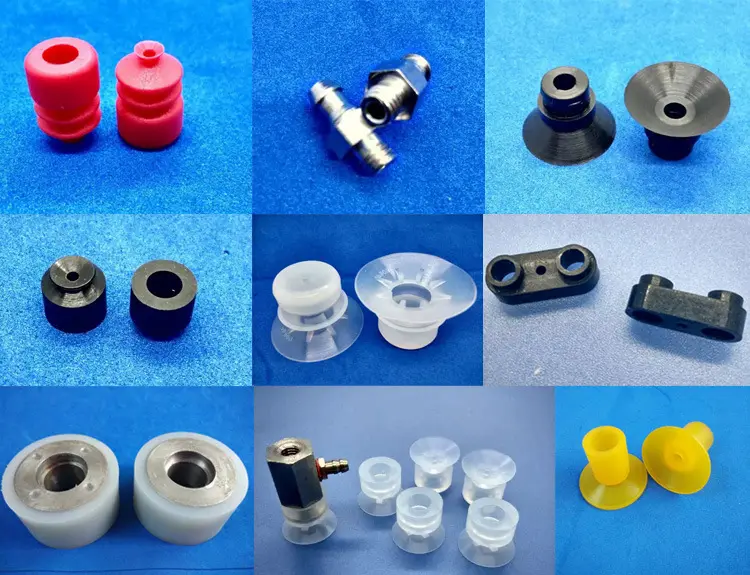 密封材料
密封材料
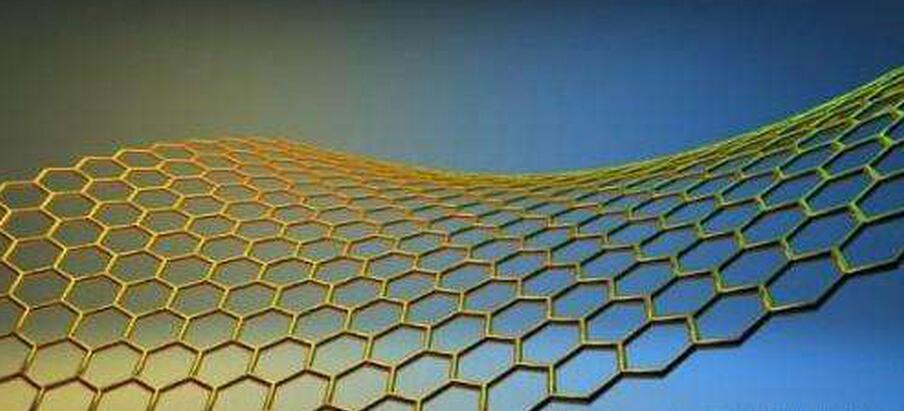 新兴材料
新兴材料
 加工设备
加工设备
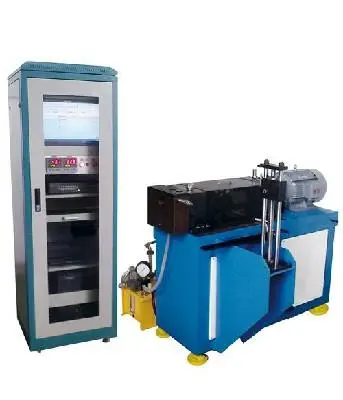 摩擦试验机
摩擦试验机
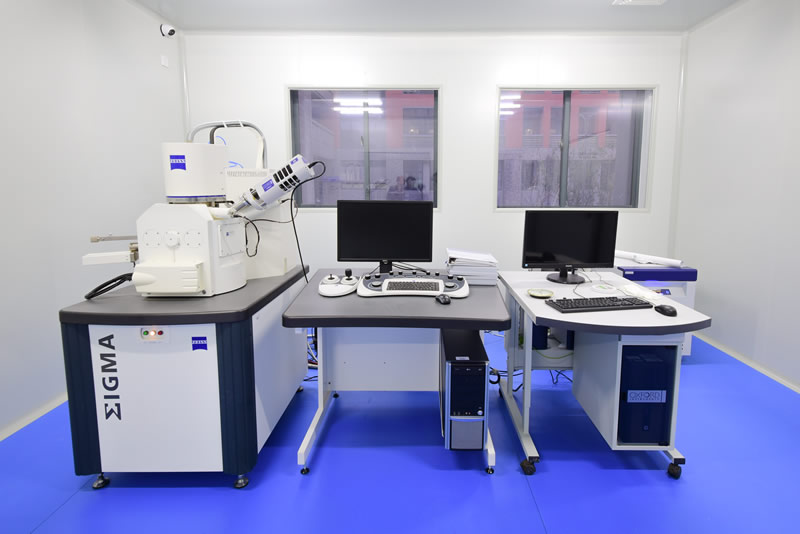 大型表征仪器
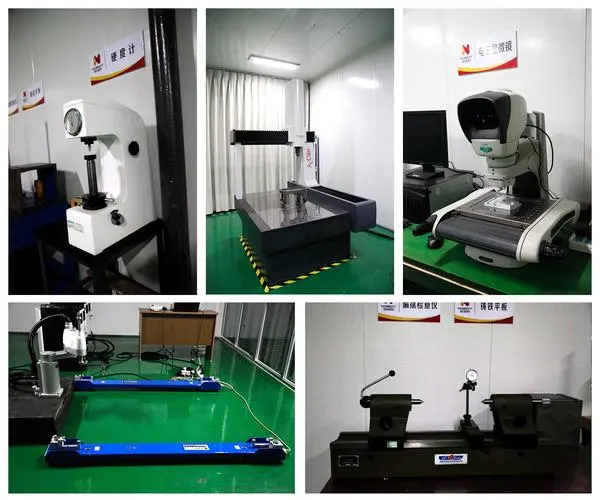 小型测试设备