The wavy-tilt-dam (WTD) pattern enhances hydrodynamic lubrication for the mechanical face seal of the main coolant pump (MCP) of a nuclear power plant. However, the sealing clearance resulting from the synergistic deformation of multiple components shows a divergent radial taper shape under operating fluid temperature and pressure conditions. The divergent shape reduces the hydrodynamic effect, sealing performance, and stability. This technical solution proposes the optimal initial taper for compliant balance deformation, resulting in a convergent radial taper and maintaining the hydrodynamic lubrication regime. A fluid-structure-thermal (FST) coupled model combines the average Reynolds equation, energy equation, axial force balance, 2D heat transfer model, thermal-structure deformation, and film-face heat balance solver. The analysis results encompass the distribution of face deformation, film thickness, pressure, temperature, leakage rate, average film thickness, and torque. Based on the optimal value 2.1 μm, the theoretical predictions of the leakage rate and the inside temperature of the face ring are compared with experimental results. At pressures ranging from 0.8 to 5.3 MPa and a temperature of 45 °C, the experimental leakage rates range from 2.36 to 14.88 L/h, with a theoretical deviation of less than 6.8%. The measured temperatures are close to the value of 56.5 to 58.4 °C. The synergistic deformation of the face seal assembly influences the sealing clearance, and adjusting it by controlling the initial taper value is a practical and straightforward approach to optimizing surface topography. The findings provide significant theoretical support for the stability of the MCP hydrodynamic WTD face seal assembly.
周老师: 13321314106
王老师: 17793132604


邮箱号码: lub@licp.cas.cn





 润滑剂
润滑剂
 润滑油添加剂
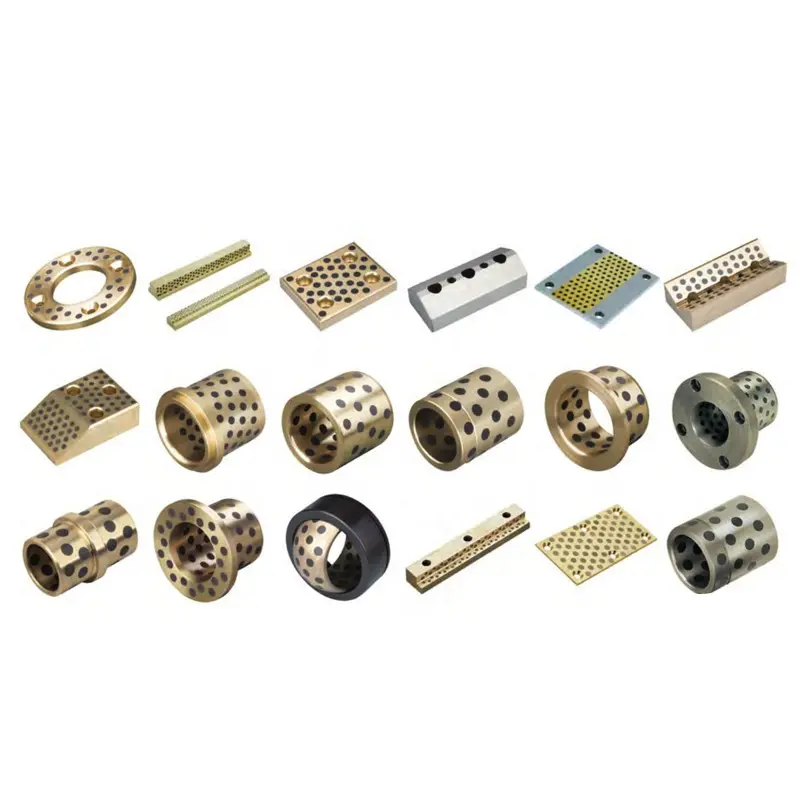 自润滑材料
自润滑材料
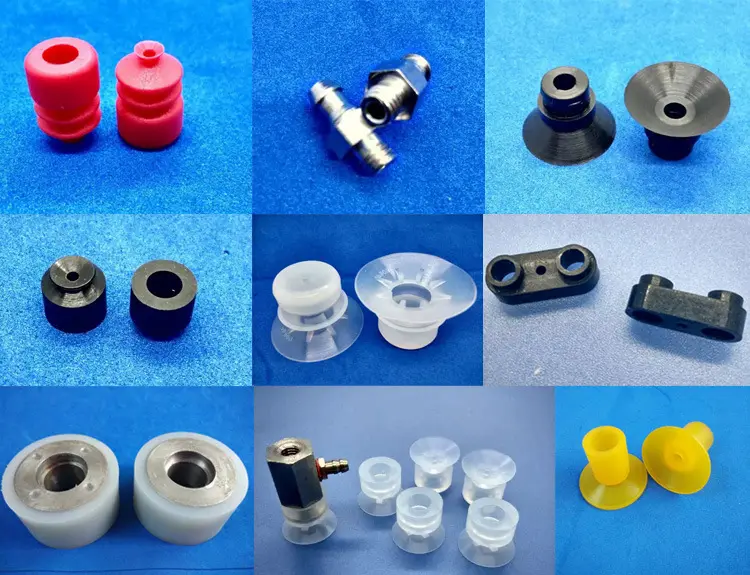 密封材料
密封材料
 新兴材料
新兴材料
 加工设备
加工设备
 摩擦试验机
摩擦试验机
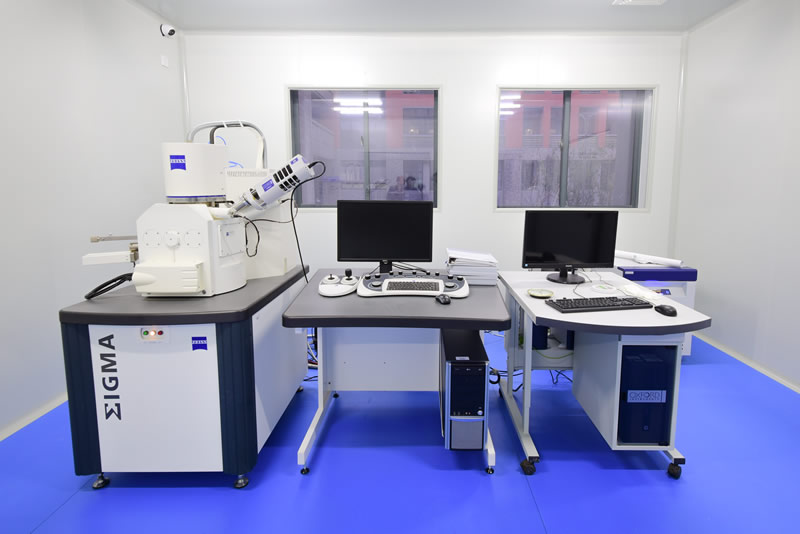 大型表征仪器
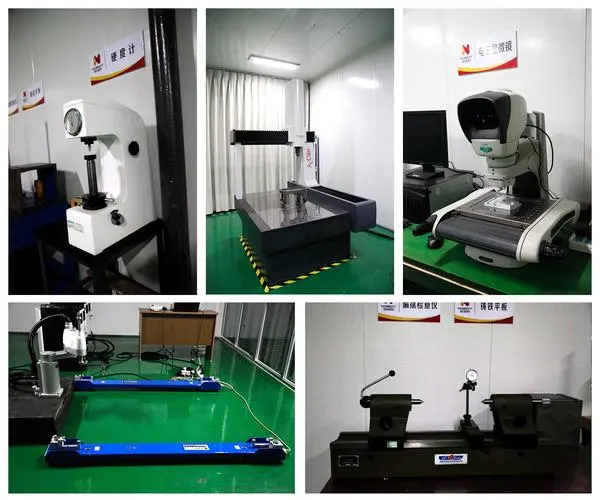 小型测试设备