Filter Patch analysis and Membrane Patch Colorimetry are widely used to assess lubricant degradation and varnish potential. Based on filtration principles, membrane patch colorimetry, which uses finer cellulose nitrate membranes (0.45 µm) and solvent extraction, is often assumed to produce darker staining than filter patch analysis performed on coarser membranes (0.8 µm). However, the opposite behavior is frequently observed in a subset of the mineral hydraulic oils investigated in this study, for which the choice of membrane material strongly affects the colorimetric response.By systematically comparing both methods using different membrane materials on in-service and laboratory-aged oils, this study shows that this inversion arises from membrane-oil chemical selectivity rather than from porosity or test configuration. Cellulose nitrate membranes used in MPC weakly retain certain oxidation-derived species, leading membrane patch colorimetry to under-estimate varnish-related problems observed in the field. These results demonstrate that membrane material choice directly impacts varnish diagnostics and must be considered to avoid misinterpretation of lubricant degradation severity.
周老师: 13321314106
王老师: 17793132604


邮箱号码: lub@licp.cas.cn





 润滑剂
润滑剂
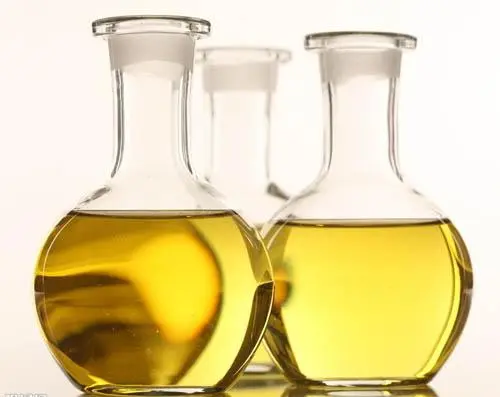 润滑油添加剂
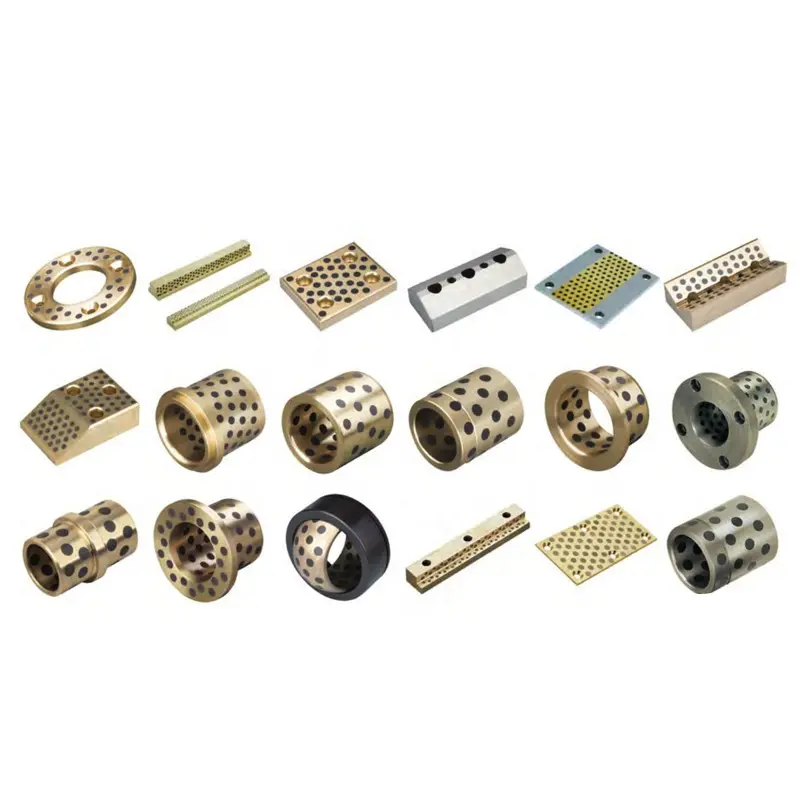 自润滑材料
自润滑材料
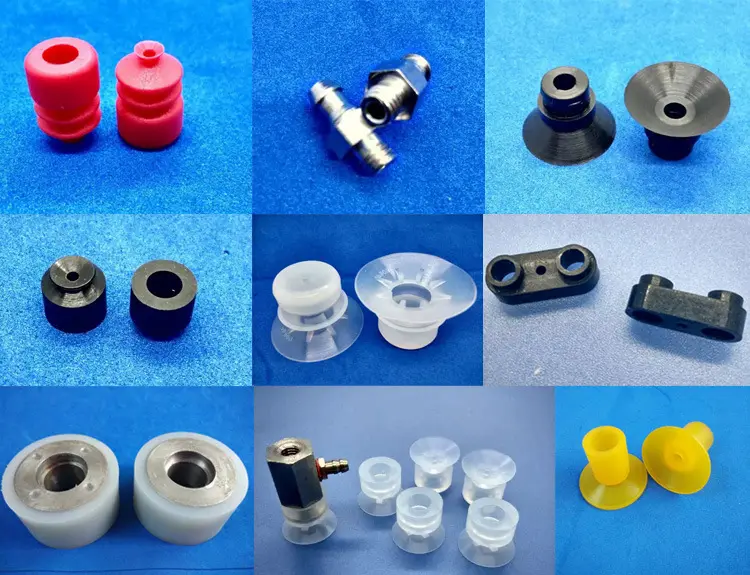 密封材料
密封材料
 新兴材料
新兴材料
 加工设备
加工设备
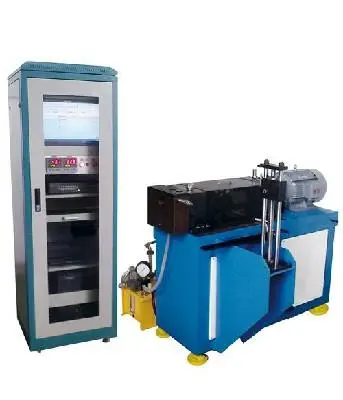 摩擦试验机
摩擦试验机
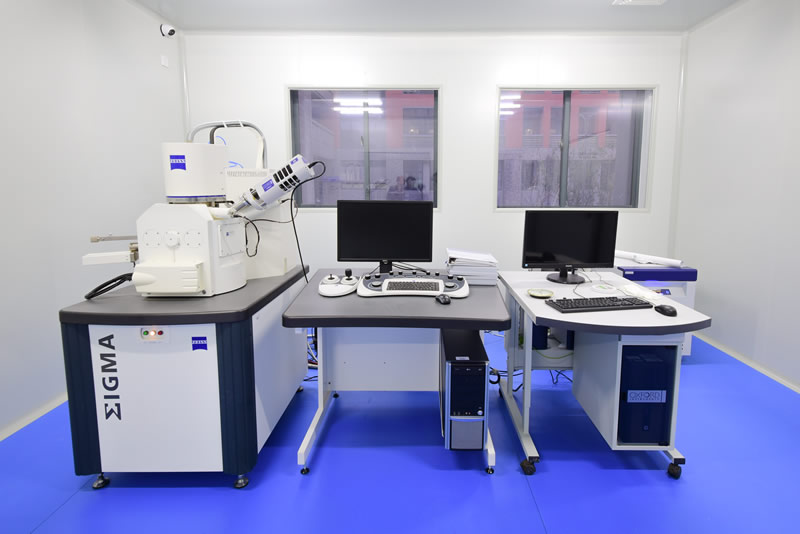 大型表征仪器
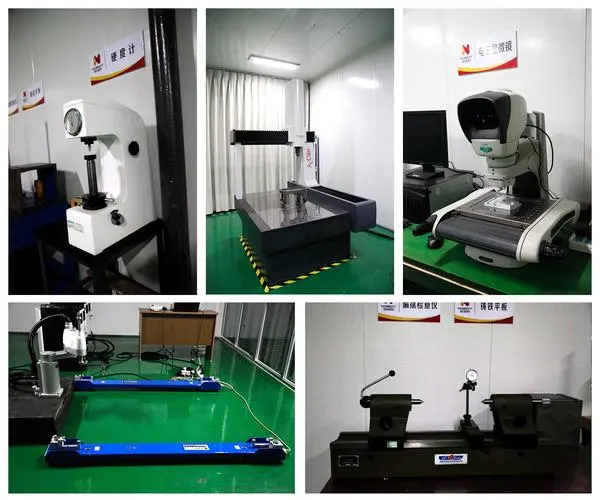 小型测试设备