This study investigates the fabrication of anisotropic saw-tooth topographies on copper surfaces using direct laser interference patterning (DLIP). By varying the structural periodicity (2, 7.5, and 10 µm) and manufacturing inclination angles (15, 30, and 45°), this work assesses the impact of periodic, deterministic surface topography on tribological performance. Linear reciprocating sliding tests against a hard ceramic counterbody demonstrated that these laser-patterned structures can successfully induce significant frictional anisotropy, while enduring 200 sliding cycles. A maximum frictional asymmetry coefficient of 77% was achieved for structures with a 7.5 µm periodicity manufactured at a 15° inclination angle. The results establish that maximizing asymmetry relies on generating shallower flank slopes; conversely, parameters producing steeper slopes resulted in similar friction coefficients regardless of sliding direction, minimizing the desired anisotropic effect. Regarding wear behavior, the grooves of the structured surfaces acted as effective reservoirs for worn material. Shallower manufacturing angles yielded deeper structures, which improved debris-retention capacity and maintained a mild wear regime by reducing the likelihood of three-body abrasion. The results showcase the ability to systematically tune the friction coefficient through laser-based surface modification techniques, highlighting the effects on friction and wear of deterministic asymmetrical geometries. The findings offer significant potential for applications such as sliding electrical connectors, where optimizing the ratio between insertion and retention forces is critical.
周老师: 13321314106
王老师: 17793132604


邮箱号码: lub@licp.cas.cn





 润滑剂
润滑剂
 润滑油添加剂
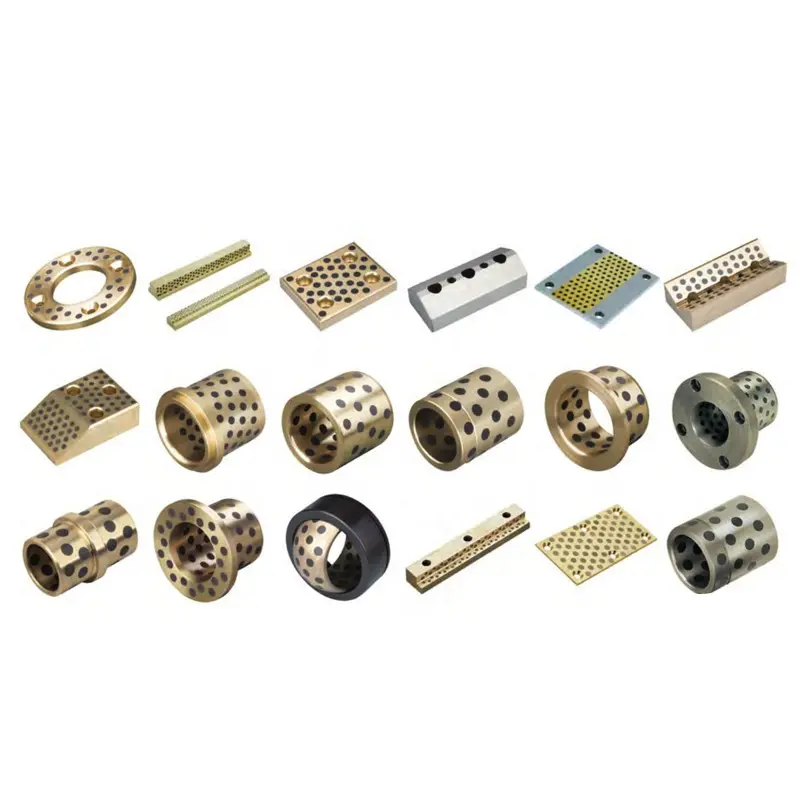 自润滑材料
自润滑材料
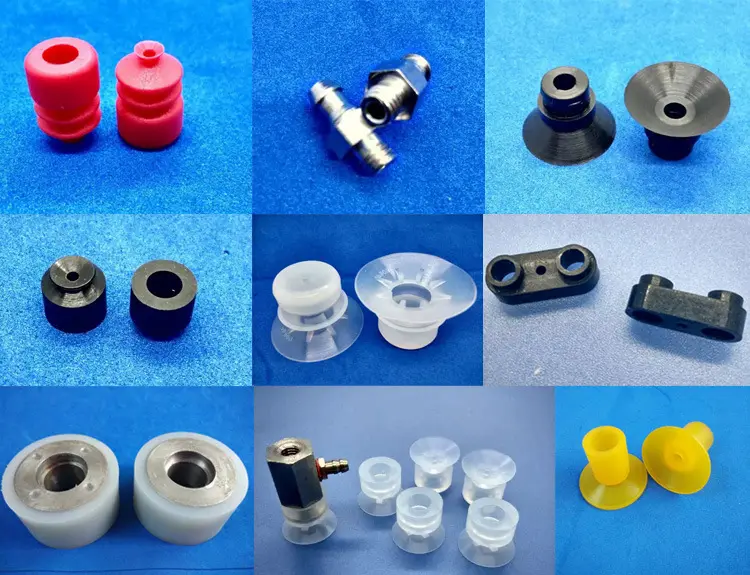 密封材料
密封材料
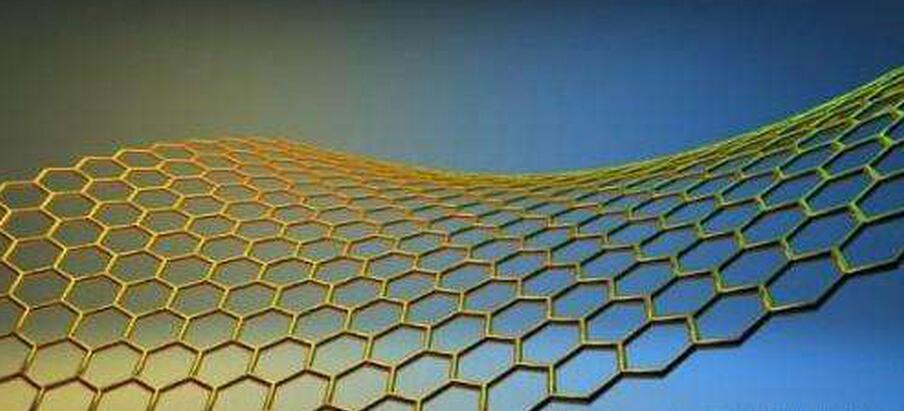 新兴材料
新兴材料
 加工设备
加工设备
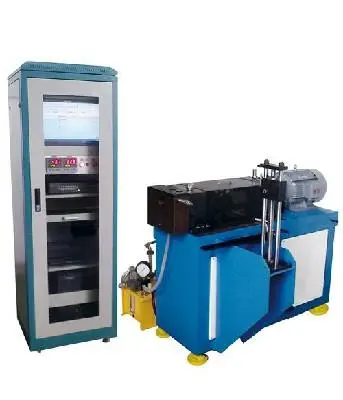 摩擦试验机
摩擦试验机
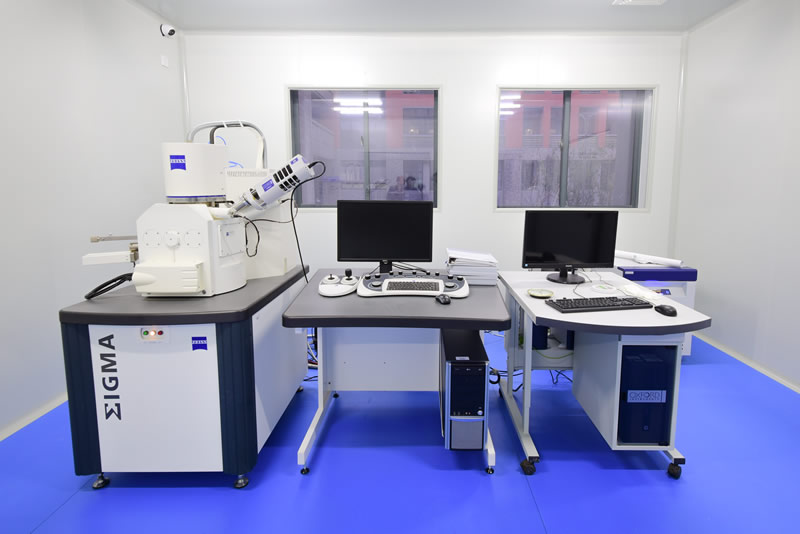 大型表征仪器
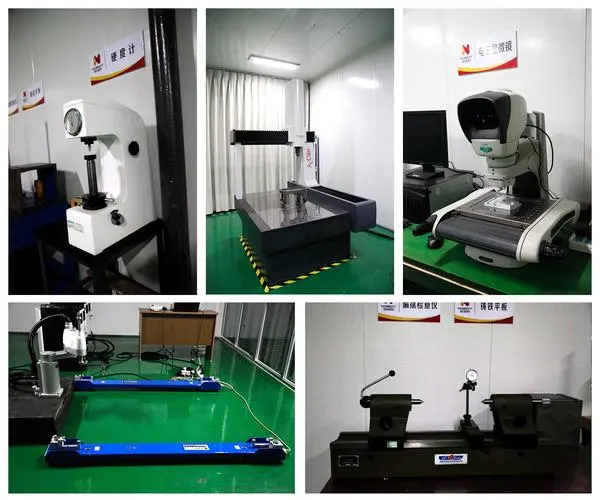 小型测试设备