This study builds upon the work published by Hansen et al. (Tribol Lett 69:1–17, 2021), which introduced a revised film parameter, Λ∗=(hm+hcfq)/Spk" role="presentation"> Λ ∗ = ( h m + h c f q ) / S p k , for evaluating rough surface contacts in the microelastohydrodynamic (micro-EHL) and mixed lubrication (ML) regimes. The parameter incorporates a micro-EHL correction term (fq" role="presentation"> f q ) that accounts for different roughness lays (or pattern), the reduced peak height parameter (Spk" role="presentation"> S p k ) for more relevant roughness representation, and an updated criterion for the EHL-to-ML transition (Λ∗=1" role="presentation"> Λ ∗ = 1 ). These advancements address the limitations of the traditional Λ" role="presentation"> Λ -ratio by offering improved sensitivity to running-in wear, resilience to measurement artefacts, and more realistic predictions of lubrication quality. In the present study, we investigate how measurement and calculation methods influence the robustness and sensitivity of the Λ∗" role="presentation"> Λ ∗ -ratio. Key considerations include the impact of spatial resolution from surface roughness measurements, the sensitivity of asperity summit radius calculation methods, and the use of amplitude reduction theory (ART) as an alternative approach to compute Λ∗" role="presentation"> Λ ∗ and benchmark its performance. Within the given scope, the results show that spatial biases can be mitigated with appropriate filter sizes and that Λ∗" role="presentation"> Λ ∗ consistently predicts the EHL–ML transition more accurately than the traditional Λ-ratio, regardless of the asperity radius method used. Furthermore, we found that while ART can be used to compute Λ∗" role="presentation"> Λ ∗ , the original approach using the fq" role="presentation"> f q -term offers both overall improved accuracy and simplicity. By critically assessing key uncertainties with Λ∗" role="presentation"> Λ ∗ , this study strengthens the parameter's robustness and enhances its applicability as a reliable tool for analysing and designing tribological systems.
周老师: 13321314106
王老师: 17793132604


邮箱号码: lub@licp.cas.cn





 润滑剂
润滑剂
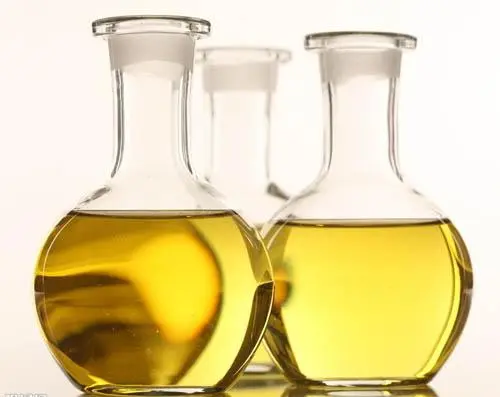 润滑油添加剂
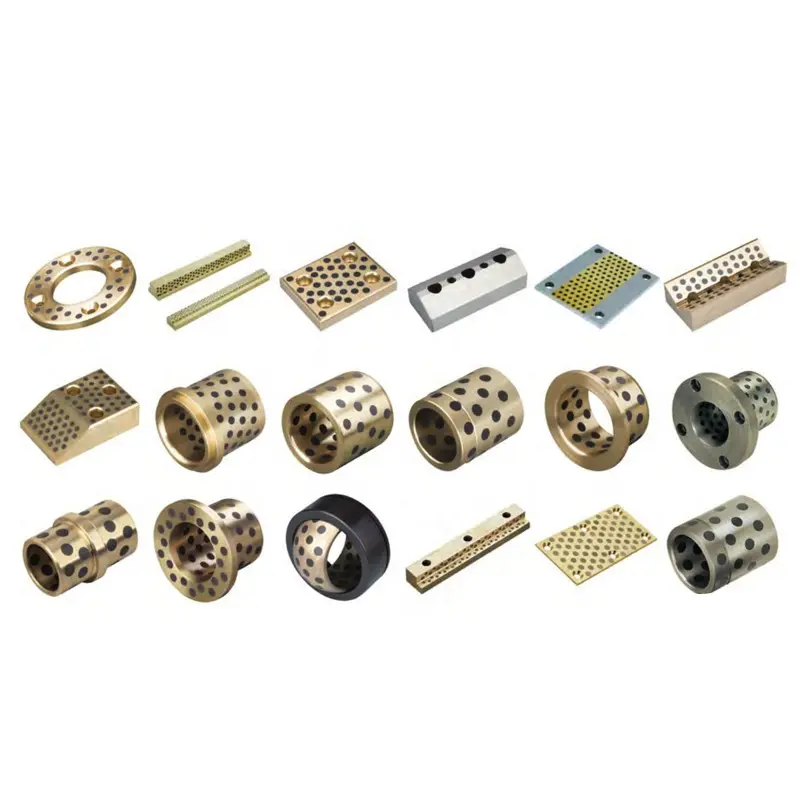 自润滑材料
自润滑材料
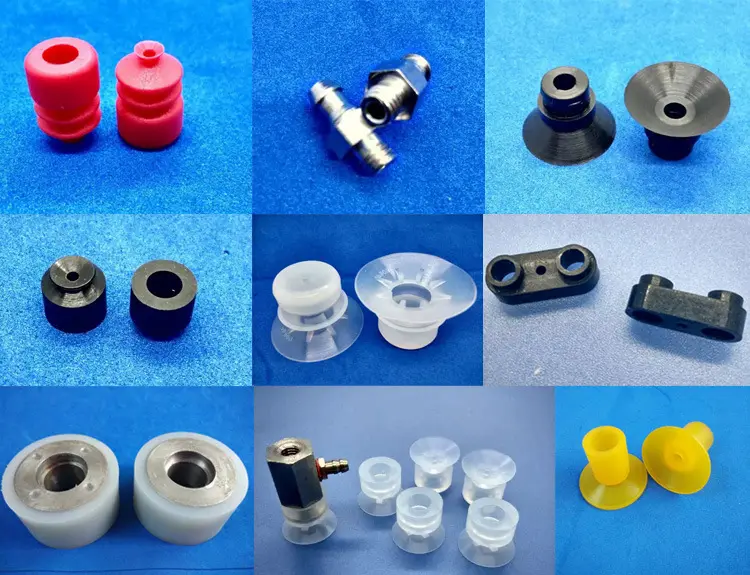 密封材料
密封材料
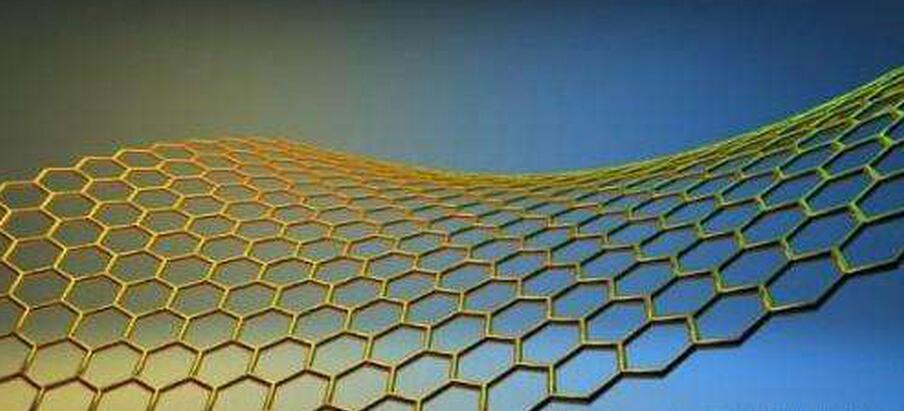 新兴材料
新兴材料
 加工设备
加工设备
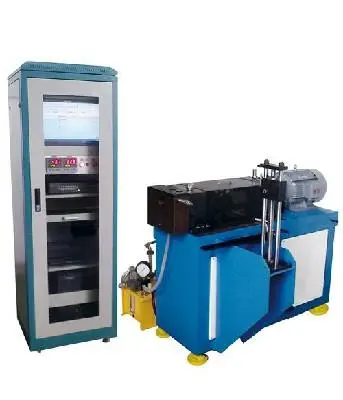 摩擦试验机
摩擦试验机
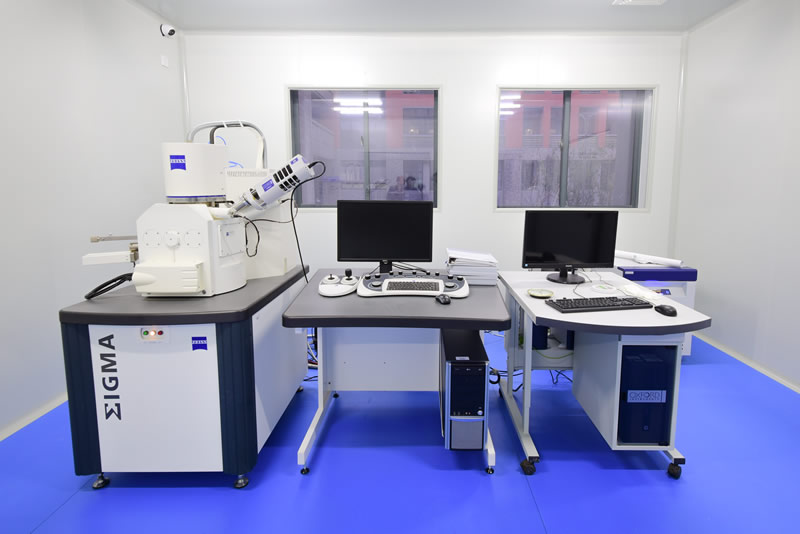 大型表征仪器
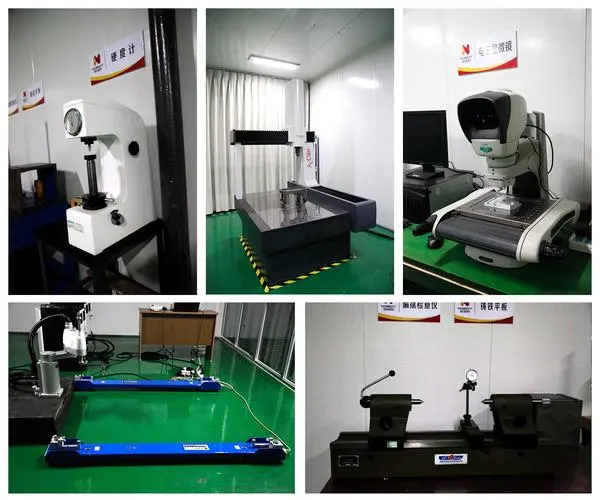 小型测试设备