Silicon carbide (SiC), as a representative third-generation wide-bandgap semiconductor, exhibits excellent thermal, electrical, and mechanical properties, making it widely used in high-power electronics, renewable energy systems, and optoelectronic applications. While its inherent high hardness and brittleness lead to subsurface damage during ultra-precision grinding, affecting both manufacturing cost and device reliability. To investigate how scratching speed affects material removal and subsurface damage in 4H-SiC, a combined approach utilizing atomic force microscopy (AFM) scratching and molecular dynamics (MD) simulations was employed. Experimental results revealed that higher scratching speeds significantly decreased friction forces and reduced crystal defects, leading to a less damaged subsurface structure. MD simulations further revealed that scratching speed strongly influences the evolution of subsurface damage. At lower speeds, longer contact durations promote dislocation slip and propagation, forming deeper damage layers. In contrast, at higher speeds, plastic deformation is less developed and the damage is confined to near-surface regions. Additionally, the spatial distribution of von Mises stress was found to correlate closely with dislocation evolution, indicating that stress-driven mechanisms play a critical role in subsurface damage formation. This study provides new insights into the nanoscale damage mechanisms of 4H-SiC and offers theoretical guidance for its high-efficiency, low-damage machining.
周老师: 13321314106
王老师: 17793132604


邮箱号码: lub@licp.cas.cn





 润滑剂
润滑剂
 润滑油添加剂
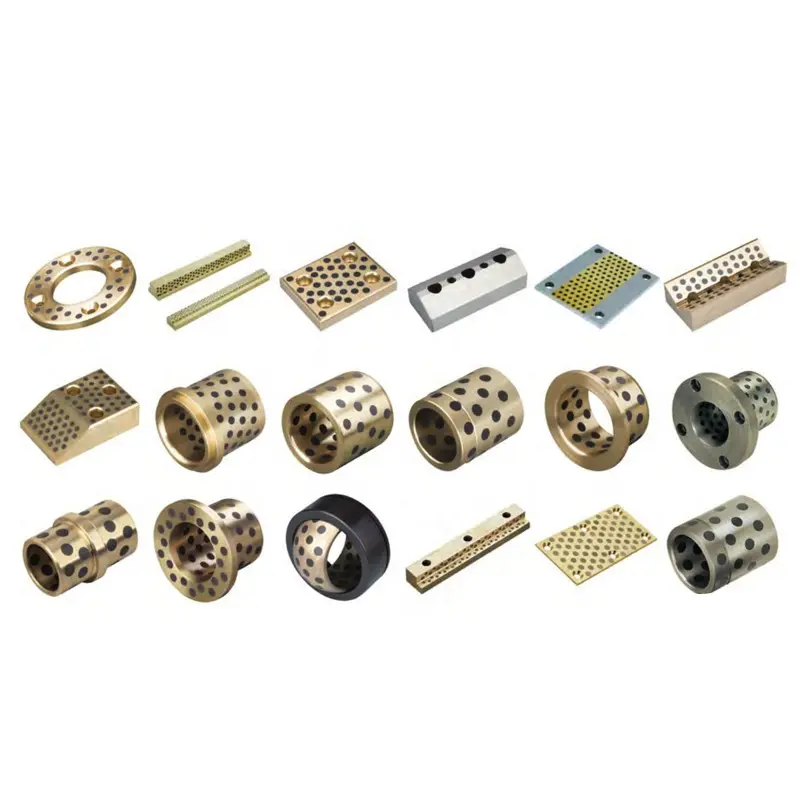 自润滑材料
自润滑材料
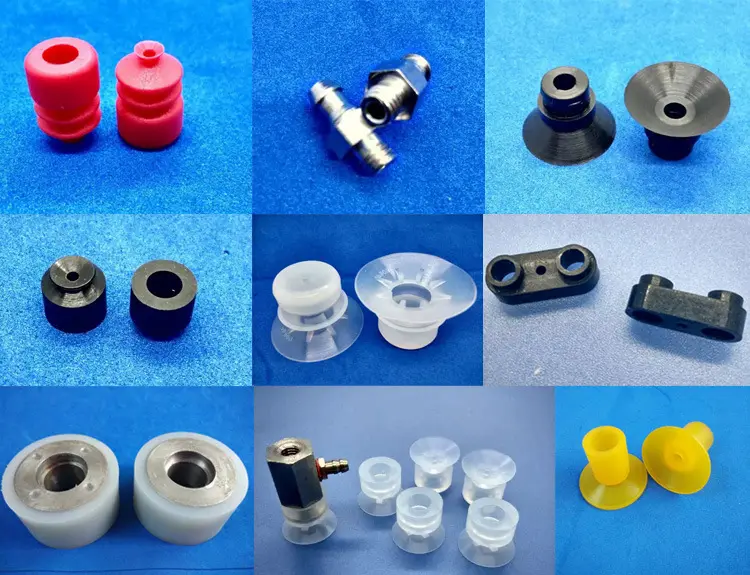 密封材料
密封材料
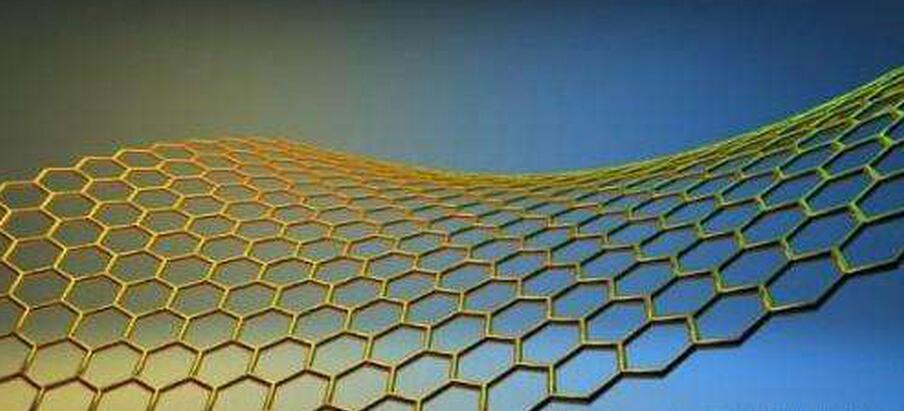 新兴材料
新兴材料
 加工设备
加工设备
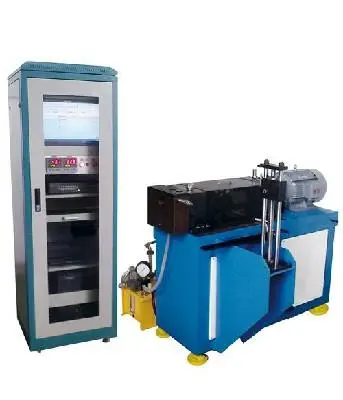 摩擦试验机
摩擦试验机
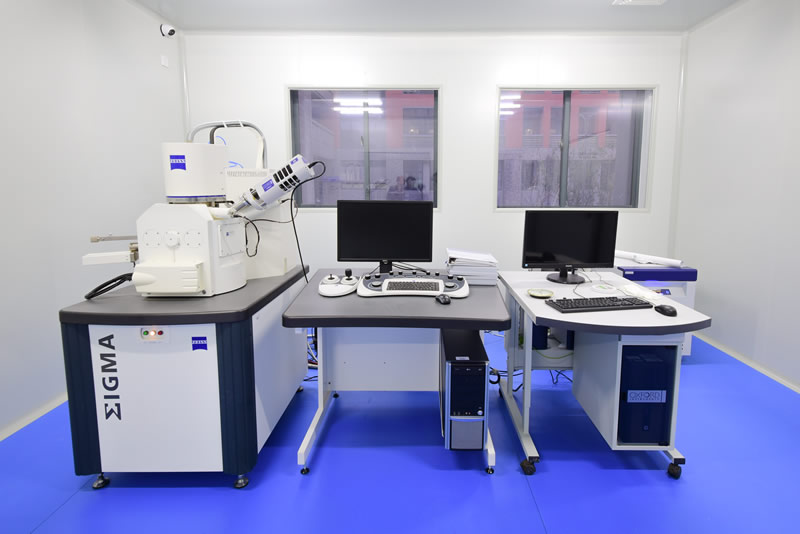 大型表征仪器
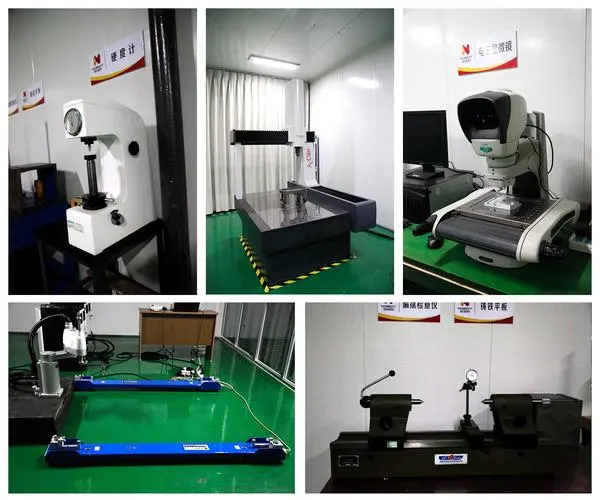 小型测试设备