Diverse microorganisms routinely organize into biofilms, posing a persistent threat to ecological contamination, industrial dysfunction, and public health. Engineered antibacterial nanomaterials, achieving several orders of magnitude reduction in bacterial viability, have emerged as broad-spectrum agents that suppress bacterial proliferation and biofilm formation while presenting a lower risk of resistance development. Embedding nanomaterials or creating nanostructures within surface coatings constitutes an effective, economical, and eco-friendly strategy for long-term biofouling mitigation in complex biological environments. Rational interfacial engineering enables mechanically robust and durable antifouling coatings on diverse substrates, unlocking applications across biomedical, environmental, and energy sectors. This review summarizes a comprehensive understanding of designing nanomaterial-integrated antifouling coatings (NACs) that correlates interfacial engineering with nano-microbe interactions. First, an overview of primary antibacterial nanomaterials employed in functional coatings, detailing fundamental properties, and antifouling mechanisms, is provided. Then, the principles of interfacial engineering for NACs are explored, emphasizing the structure-activity relationships that enhance antifouling activity, mechanical integrity, and durability. Emerging trends in the deployment of NACs for marine antifouling, antimicrobial corrosion protection, and biomedical use are subsequently highlighted. Finally, fundamental and practical challenges facing targeted NAC architectures are discussed, and perspectives for future research that bridge the gap between nanomaterial characteristics and macroscopic antifouling performance are offered.
周老师: 13321314106
王老师: 17793132604


邮箱号码: lub@licp.cas.cn





 润滑剂
润滑剂
 润滑油添加剂
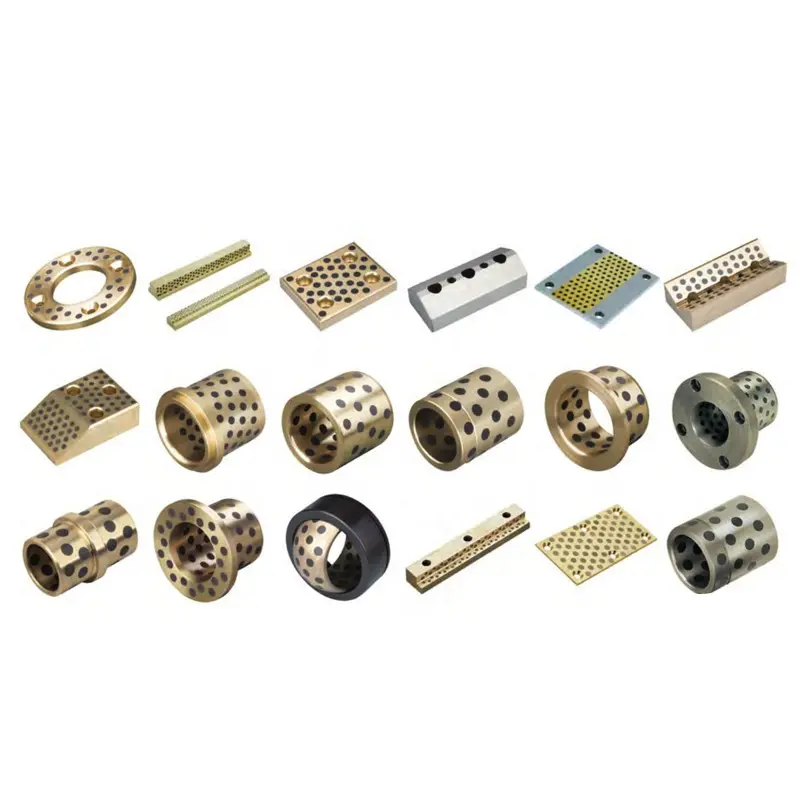 自润滑材料
自润滑材料
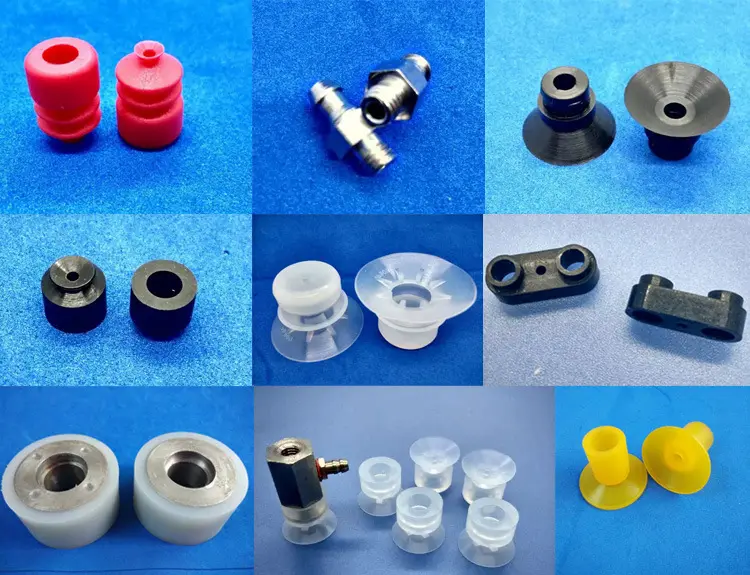 密封材料
密封材料
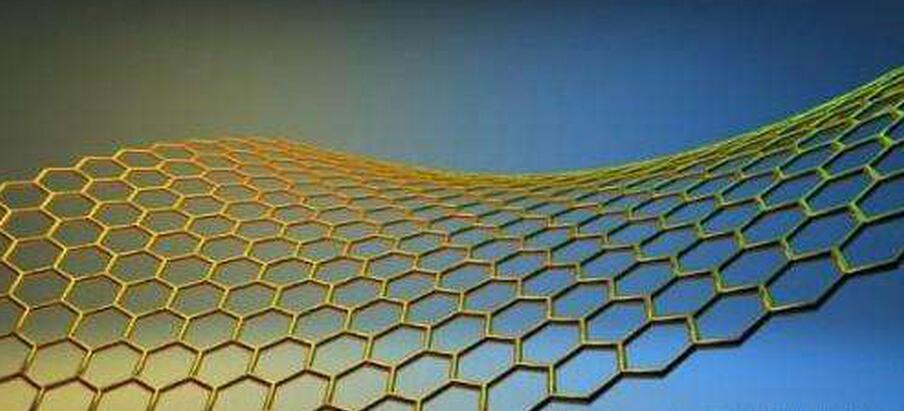 新兴材料
新兴材料
 加工设备
加工设备
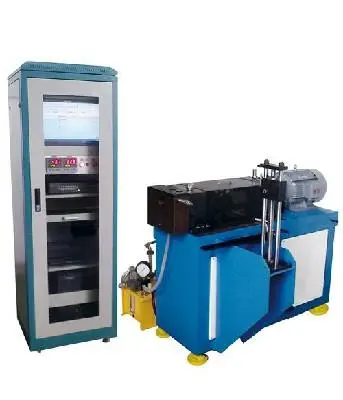 摩擦试验机
摩擦试验机
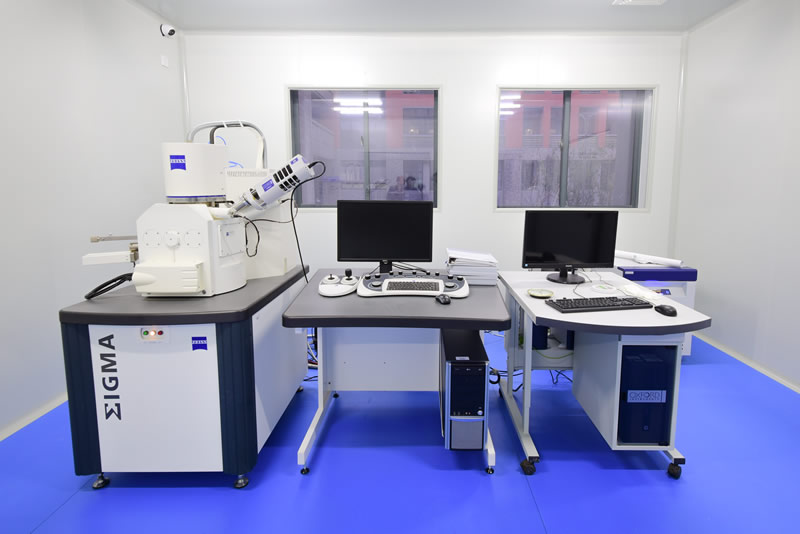 大型表征仪器
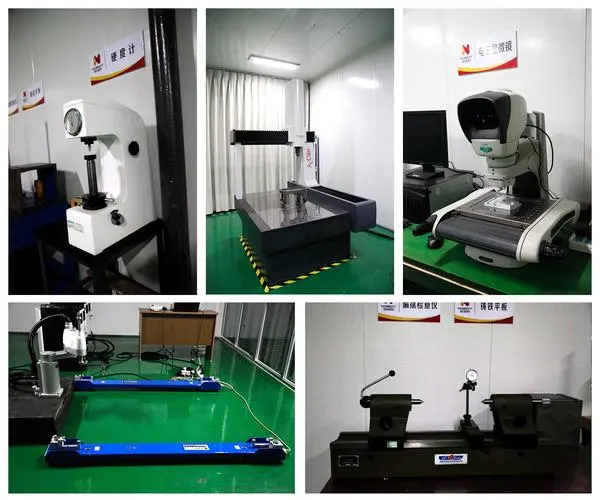 小型测试设备