Marine corrosion poses a significant threat to marine operations, causing safety risks and economic losses. Beneficial biofilms offer a sustainable and eco-friendly anti-corrosion strategy, but they face challenges of weak metal adhesion and easy detachment. Herein, an Escherichia coli biofilm is engineered to overexpress extracellular amyloid, and SpyTag-SpyCatcher interactions are utilized to programmatically assemble mussel foot proteins, resulting in the fabrication of a highly adhesive, corrosion-resistant biofilm coating–CsgA-L-MFP coating. After 7 d immersion in simulated seawater, the corrosion rate of X70 carbon steel decreases from 2.2 × 10‒1 mm a‒1 for an uncoated surface to 3.2 × 10‒2 mm a‒1 with CsgA-L-MFP coating. Similarly, the corrosion current density (icorr) decreases from 64.8 ± 7.4 to 11.5 ± 2.9 µA cm‒2, achieving a corrosion inhibition efficiency of 82%. Besides, the CsgA-L-MFP coating effectively inhibits microbiologically influenced corrosion caused by Shewanella oneidensis for X70 carbon steel and increases pitting potential of 316L stainless steel, reducing icorr by 69%, demonstrating its application potential in the biodiverse marine environment. The application of synthetic biology in developing living biofilm coatings offers a novel strategy for functional and sustainable surface protection, with promising applications in marine engineering and other fields.
周老师: 13321314106
王老师: 17793132604


邮箱号码: lub@licp.cas.cn





 润滑剂
润滑剂
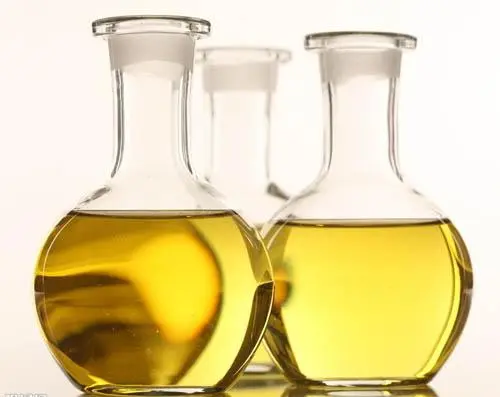 润滑油添加剂
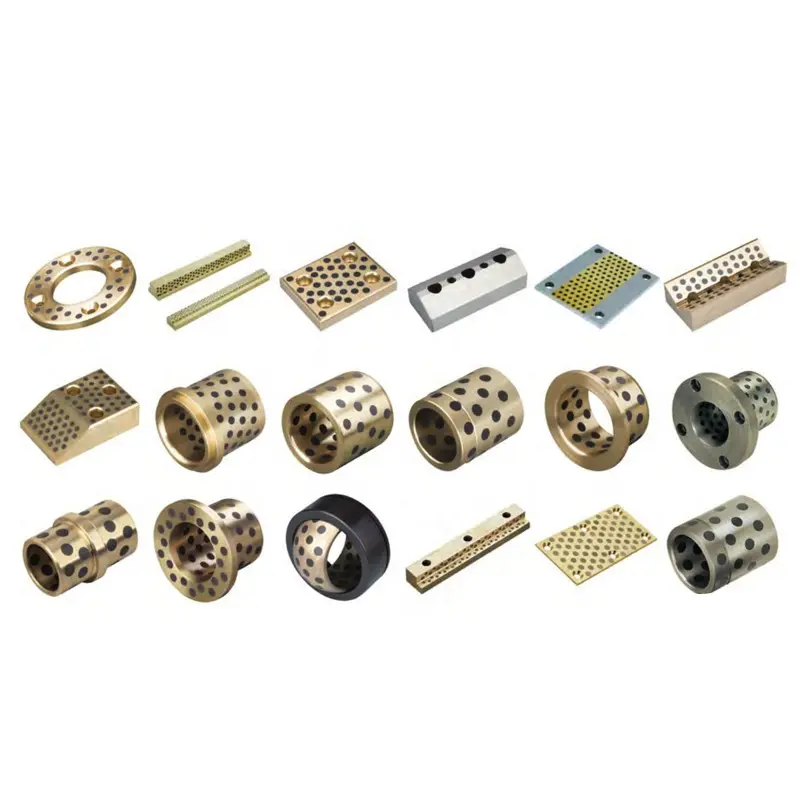 自润滑材料
自润滑材料
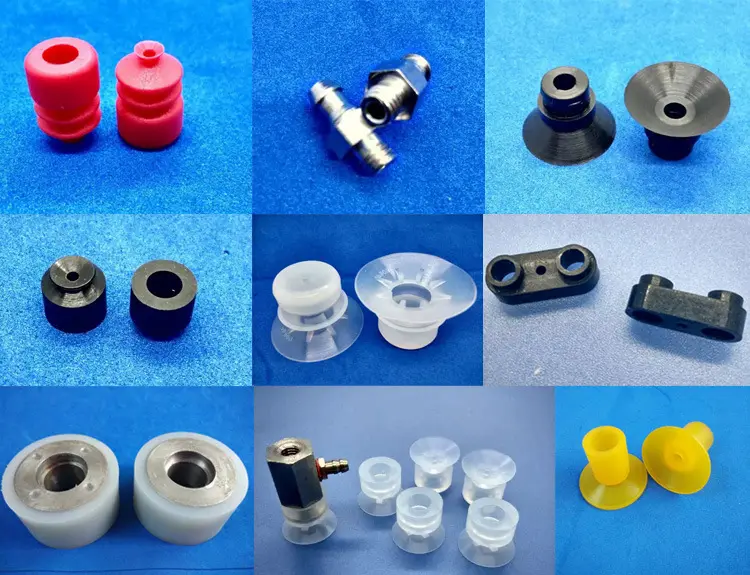 密封材料
密封材料
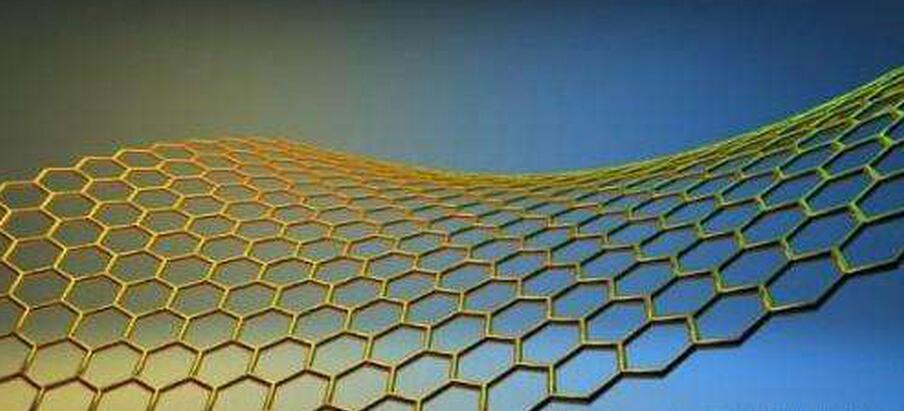 新兴材料
新兴材料
 加工设备
加工设备
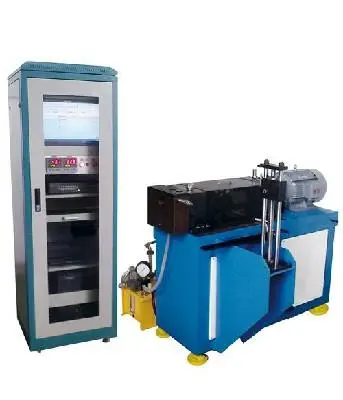 摩擦试验机
摩擦试验机
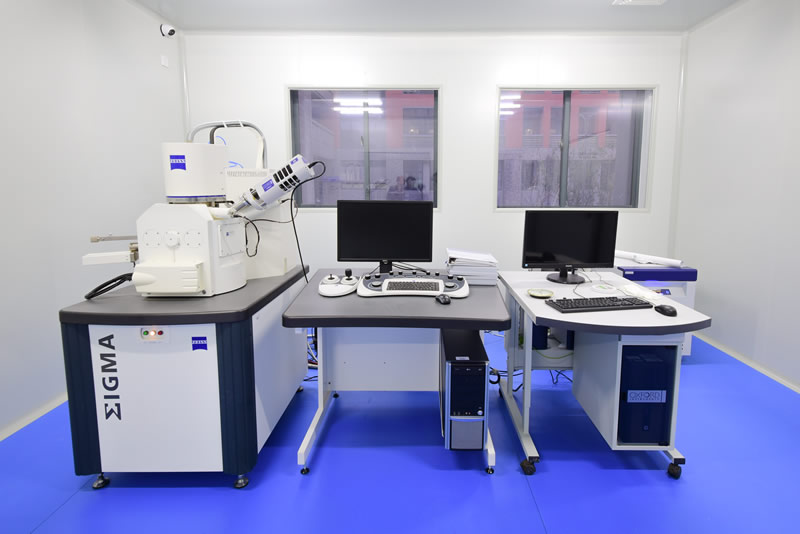 大型表征仪器
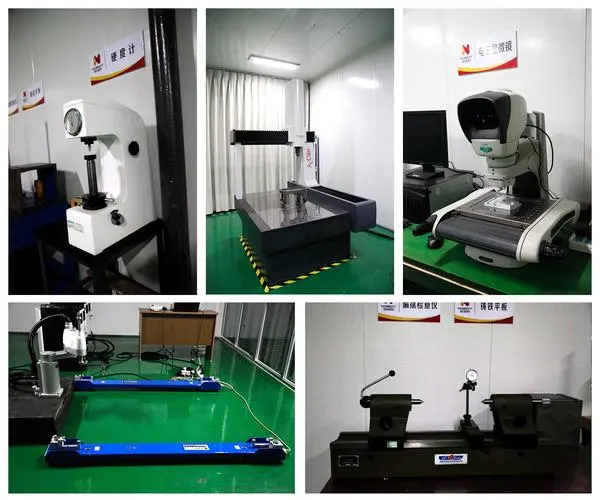 小型测试设备