Organisms in nature exhibit uniquely evolved structures with mechanical adaptability, allowing them to respond effectively to dynamic variations in interfacial friction and lubrication. Drawing inspiration from the exudation-based lubrication mechanism of articular cartilage, this study presented a biomimetic self-adaptive lubricating material prototype that combined stress-responsive lubrication with damage-induced self-repairing. The material integrated a high-strength polyurethane acrylate (PUA) matrix with silica particles containing internal oil reservoirs that release lubricant under pressure. It exhibited adaptive frictional behavior, transitioning from high friction (μ≈0.24 at 10 MPa) to low friction (μ≈0.07 at 80 MPa) depending on the applied load. This switchable response arises from a pressure-driven exudation process at the material interface. Sliding bearings are fabricated using adaptive material to demonstrate practical feasibility, enabling controllable interfacial lubrication during operation. These findings highlighted the potential application prospects in intelligent systems and robotic interfaces.
周老师: 13321314106
王老师: 17793132604


邮箱号码: lub@licp.cas.cn





 润滑剂
润滑剂
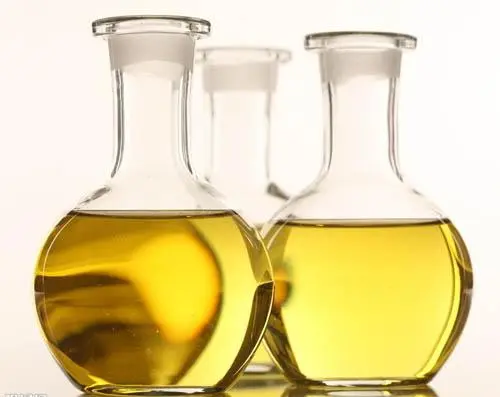 润滑油添加剂
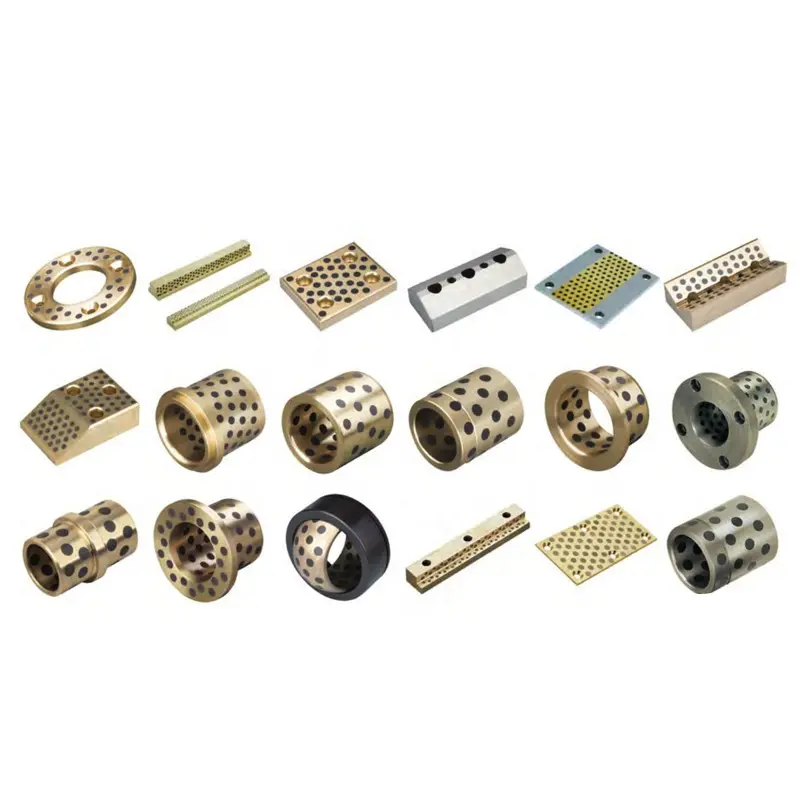 自润滑材料
自润滑材料
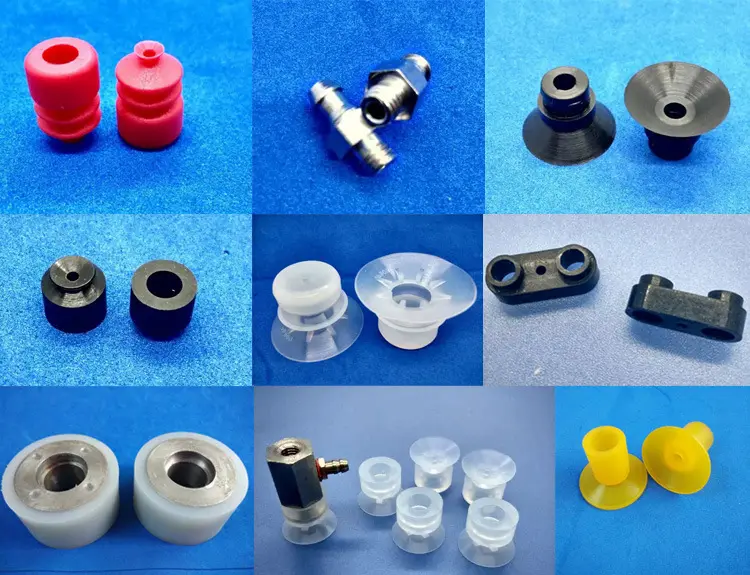 密封材料
密封材料
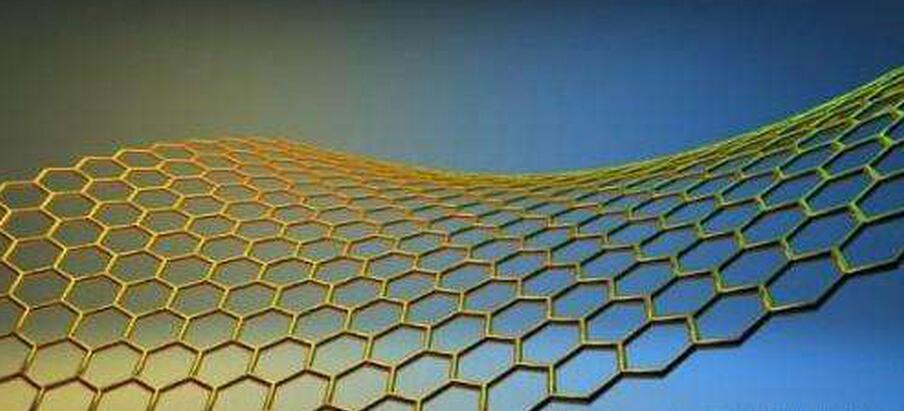 新兴材料
新兴材料
 加工设备
加工设备
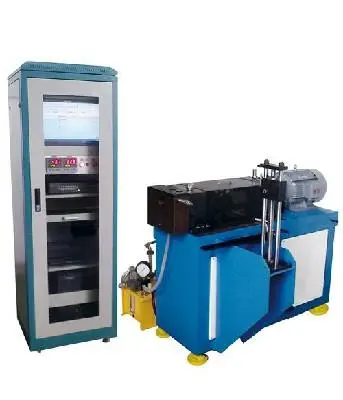 摩擦试验机
摩擦试验机
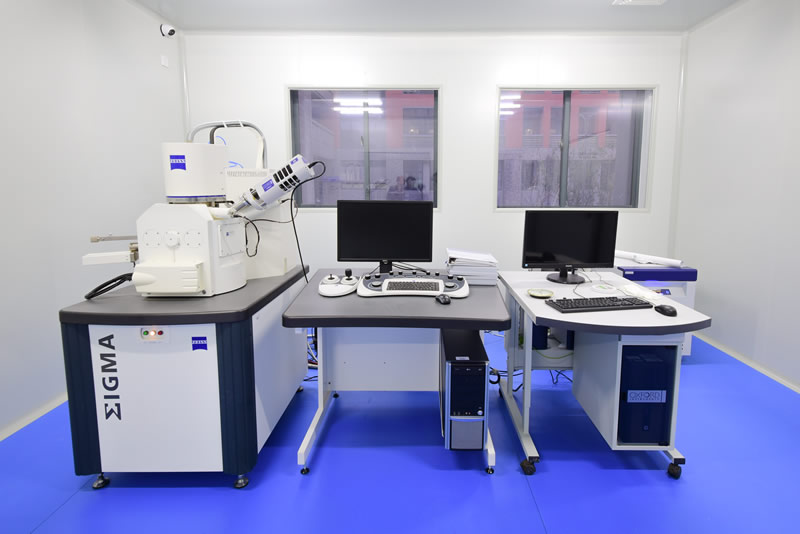 大型表征仪器
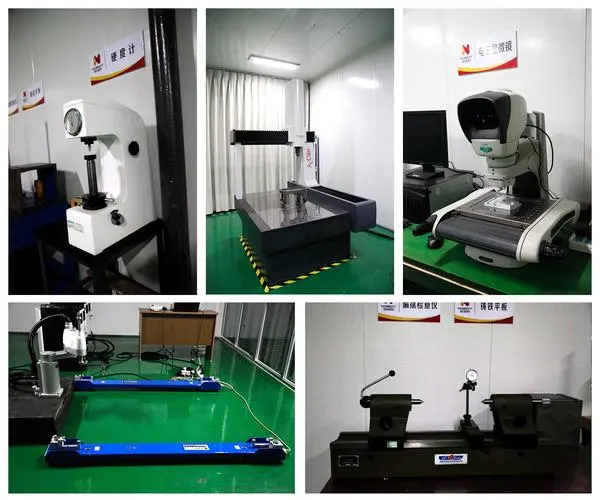 小型测试设备