Achieving macroscale superlubricity with self-healing functions in materials is pivotal to diminishing friction and prolonging the service life in mechanical engineering, yet challenges remain in intricate design and the fundamental trade-off between these two functions. Here, oil (polyalphaolefin (PAO) and organic molybdenum (MoDTC))-solvent (dibutyl phthalate, DBP) hybrid microcapsules serving as bifunctional fillers are incorporated to polymer composite matrices. The friction-induced decomposition of MoDTC to nanoflakes leads to the formation of the ordered layer-by-layer homojunctions and establishment of the heterogeneous interface, where the reconstruction of the interface governs the achievement of superlubricity (μ ≈ 0.0065).The combination of the submicron-asperities constructed by submicron particles (∼200 nm), the hierarchical film at the interface, and hydrodynamic effect provides a synergistic effect, playing a critical role in achieving robust macroscale superlubricity (lasting 18 h, sliding distance over 430 m). Additionally, the effective self-healing behavior of this macroscale superlubricity material is realized through the physical insertion of DBP molecules with a healing depth of damage up to 30 µm and a good efficiency of 86%. These findings enable a novel approach to achieving macroscale superlubricity on the surface of intelligent composites, and can offer new solutions for durable and high-performance motional components for industrial applications.
周老师: 13321314106
王老师: 17793132604


邮箱号码: lub@licp.cas.cn





 润滑剂
润滑剂
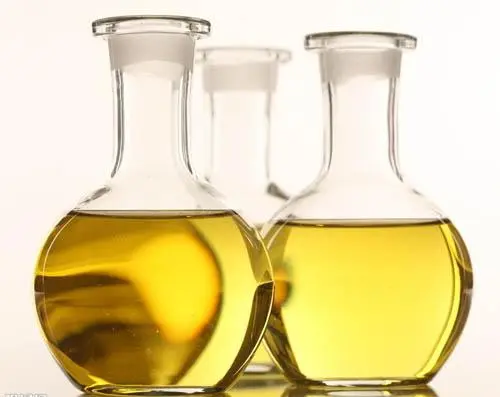 润滑油添加剂
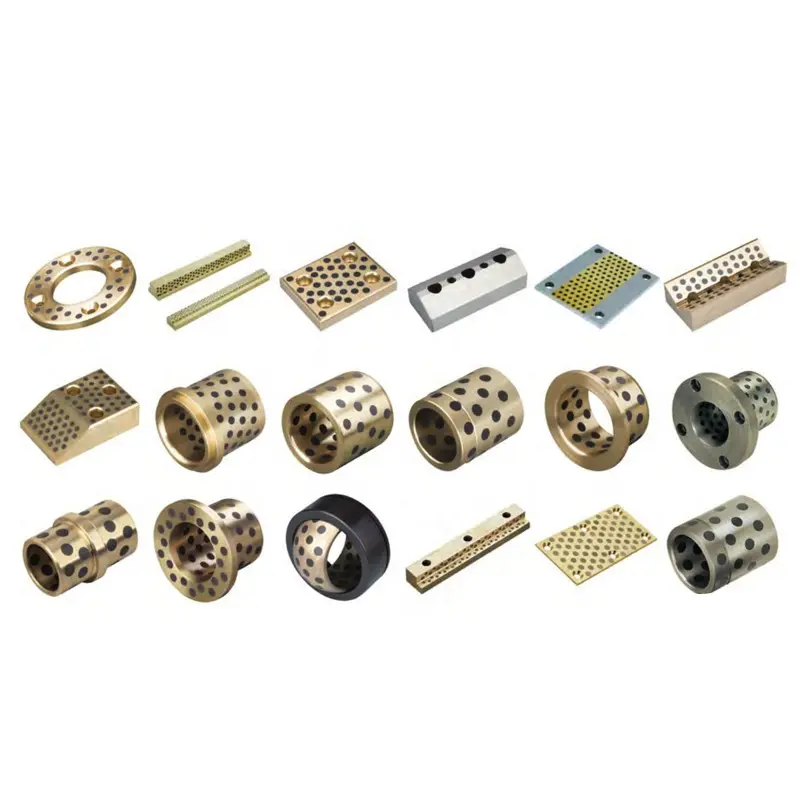 自润滑材料
自润滑材料
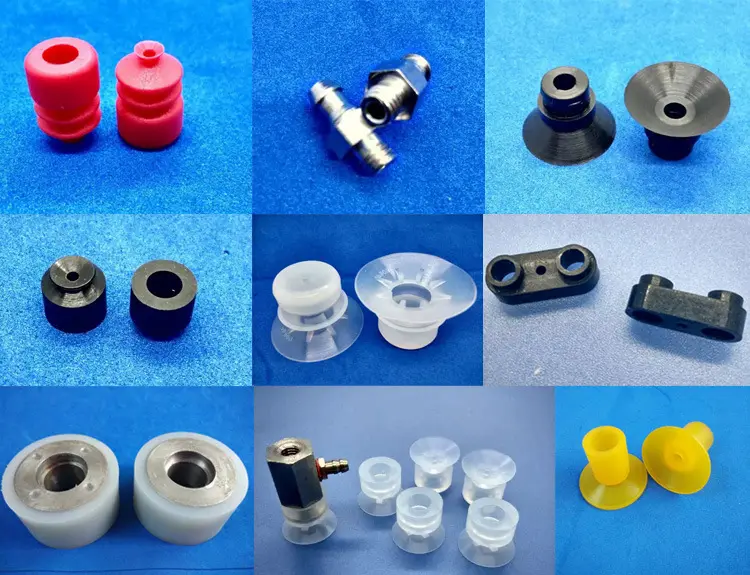 密封材料
密封材料
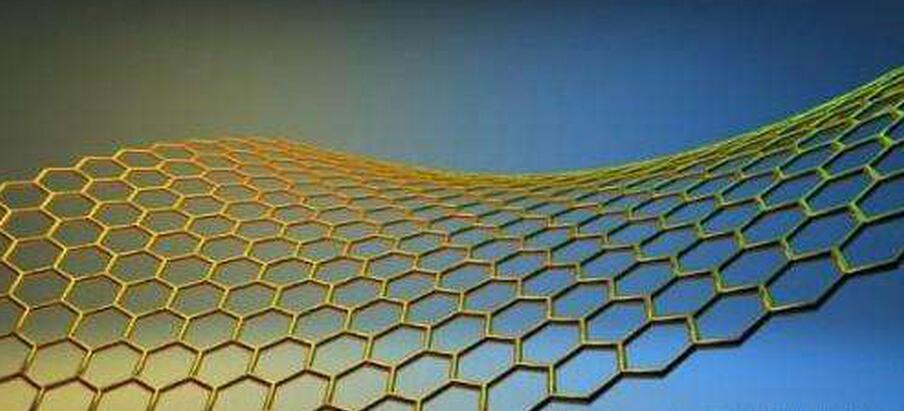 新兴材料
新兴材料
 加工设备
加工设备
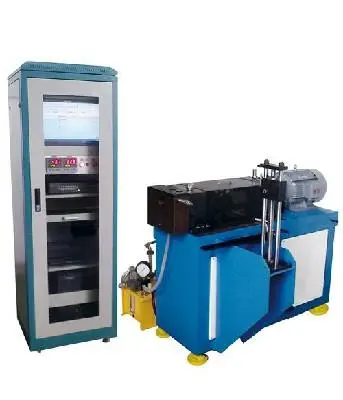 摩擦试验机
摩擦试验机
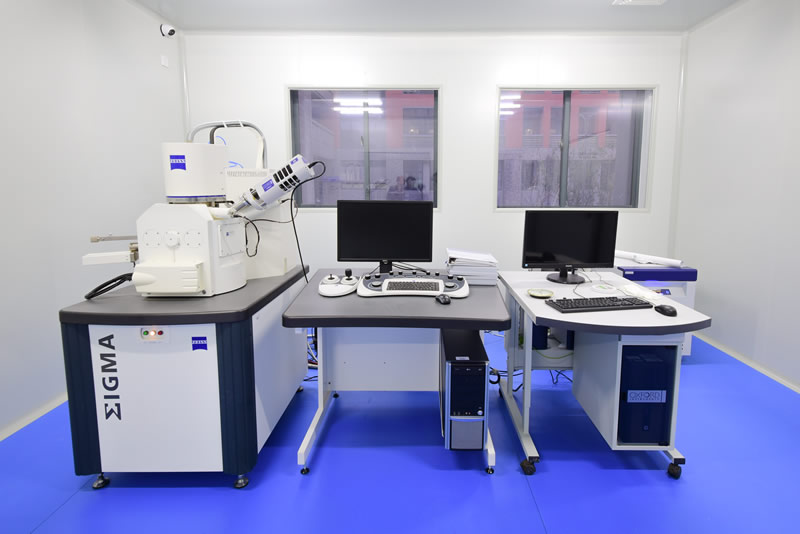 大型表征仪器
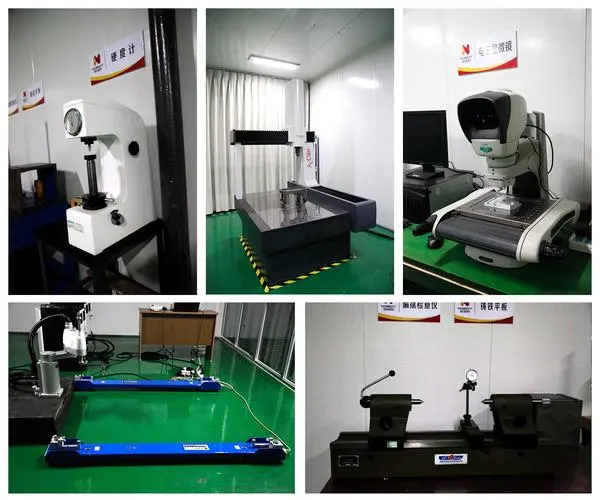 小型测试设备