In this study, Fe-based amorphous coatings were fabricated using High-Velocity Oxy-Fuel (HVOF) technology. To address the high friction and severe wear caused by inherent porosity and weak interlaminar bonding, the as-sprayed coatings (original coating, OC) were treated with four distinct sealants: molybdenum disulfide (MoS 2), hexagonal boron nitride (h-BN), polytetrafluoroethylene (PTFE), and epoxy resin (EP). The microstructure, hardness, porosity, and tribological properties of the coatings were systematically investigated using SEM-EDS, XRD, and XPS, supplemented by reciprocating wear tests. The results demonstrate that the sealing treatment significantly reduces porosity while maintaining or improving hardness. Notably, the EP-sealed coating (EP-SC) exhibited the lowest porosity (0.78 ± 0.35%) and the highest hardness (∼726 HV). Compared to the OC, all sealed coatings showed significant improvements in tribological performance, with the PTFE-sealed coating (PTFE-SC) achieving the greatest reduction in wear rate (83.6%) and EP-SC achieving the greatest reduction in friction coefficient (70.6%). Surface and cross-sectional analyses revealed different lubricating mechanisms. PTFE, h-BN, and MoS 2 formed lubricating transfer films that reduce interfacial adhesion, while the epoxy resin formed an organic-oxide composite film that enhances interface stability. These tribological improvements are attributed to a synergy of densification and interface lubrication. This study, therefore, offers an efficient and cost-effective sealing strategy to enhance the performance and service reliability of Fe-based amorphous coatings.
周老师: 13321314106
王老师: 17793132604


邮箱号码: lub@licp.cas.cn





 润滑剂
润滑剂
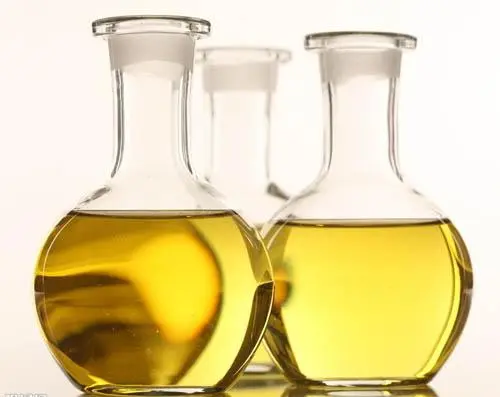 润滑油添加剂
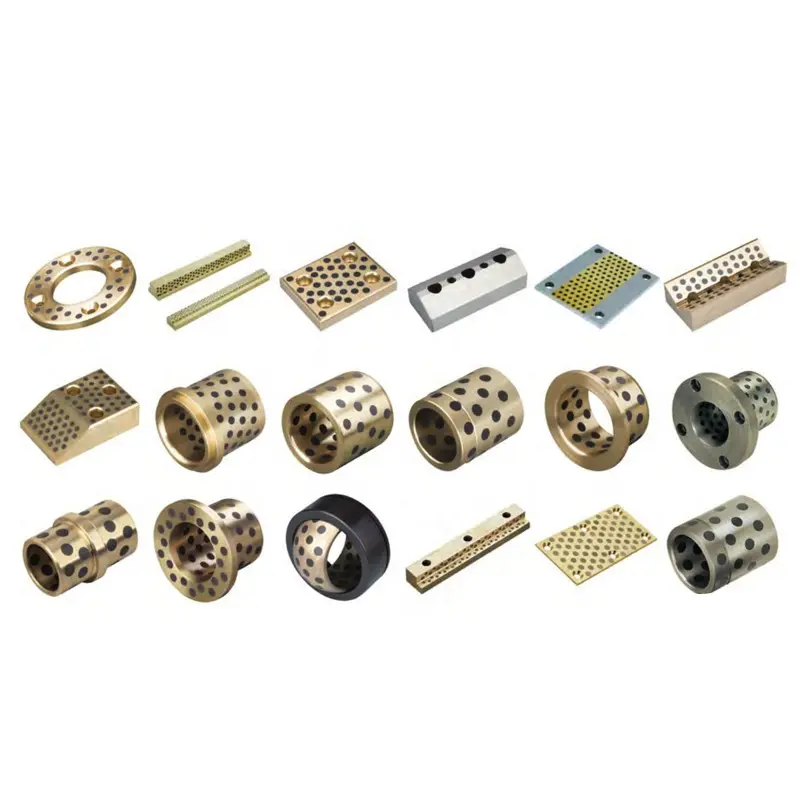 自润滑材料
自润滑材料
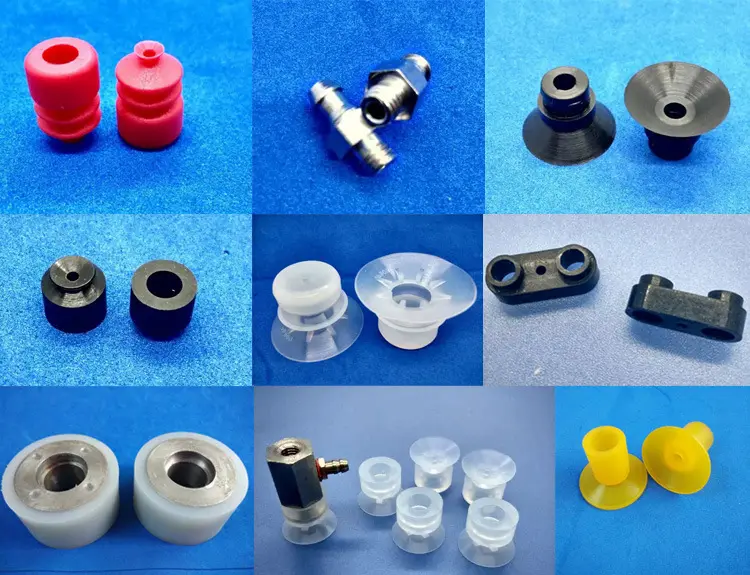 密封材料
密封材料
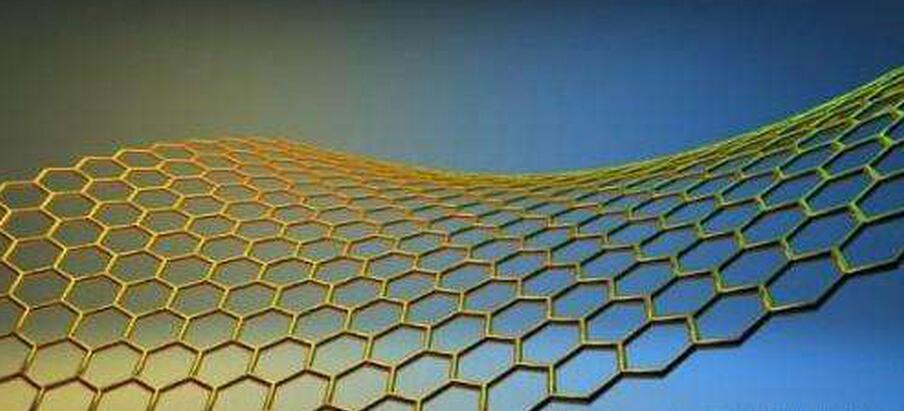 新兴材料
新兴材料
 加工设备
加工设备
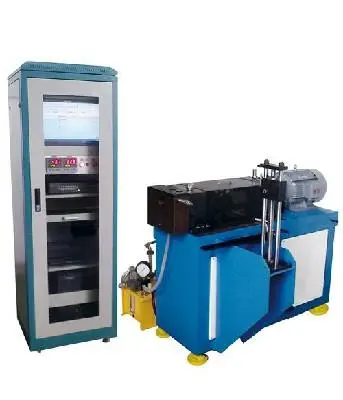 摩擦试验机
摩擦试验机
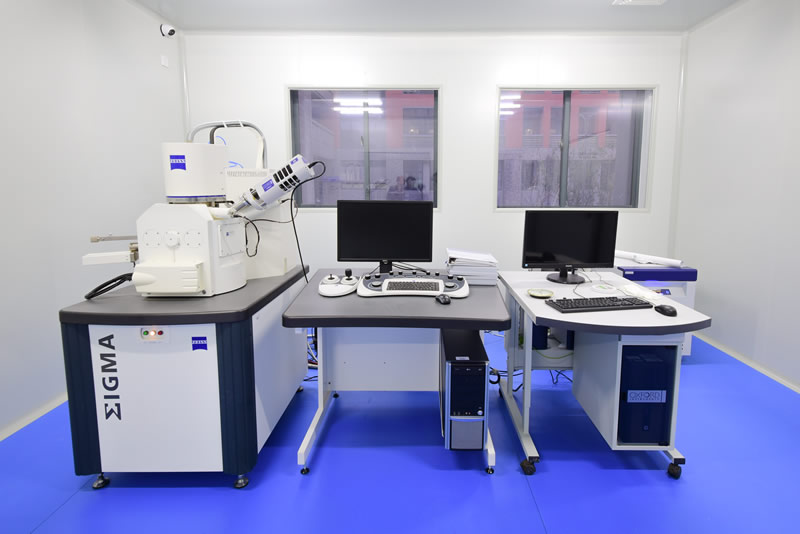 大型表征仪器
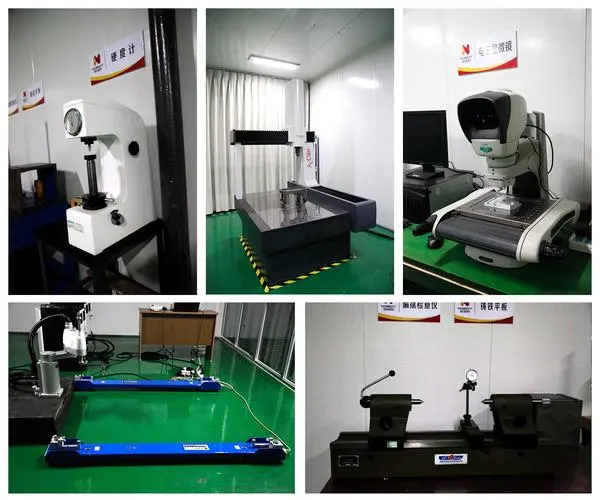 小型测试设备