Lightweight brake friction pairs in urban trains tend to exhibit stick–slip vibrations during braking, yet the influence mechanism of pad formulations on this behavior remains unclear. This study conducted tribological tests on brake pads with three binder ratios and steel fibers contents to reproduce and analyze stick–slip phenomena, and to characterize surface roughness, wear angle, and contact plateaus. Finite element modeling was used to reveal interfacial contact area and stress distribution, while a theoretical model was employed to analyze the impact of surface roughness on stick–slip response. Based on these methods, a “composition–interface state–vibration” correlation framework was established, clarifying the effects of binder and steel fibers on stick–slip vibrations. The results indicate that brake pads with high binder content promote the formation of continuous and stable tribofilms. These tribofilms markedly reduce surface roughness, wear angle, and the heterogeneity of contact plateaus, increase the real contact area, homogenize stress distribution, and lower both interfacial stiffness and the static–dynamic friction coefficient difference (Δµ), thereby suppressing stick–slip vibrations. In contrast, brake pads with high steel fibers content tend to accumulate debris and fracture the tribofilms, resulting in rough surfaces and pronounced heterogeneity of contact plateaus, which increases interfacial stiffness and Δµ, thereby amplifying stick–slip amplitudes. This work provides theoretical insights and engineering guidance for optimizing brake-pad formulations and designing long-service-life brake systems.
周老师: 13321314106
王老师: 17793132604


邮箱号码: lub@licp.cas.cn





 润滑剂
润滑剂
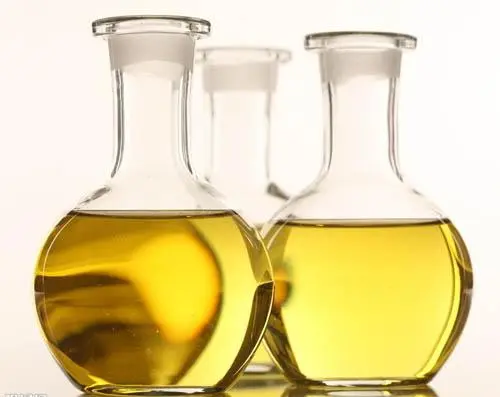 润滑油添加剂
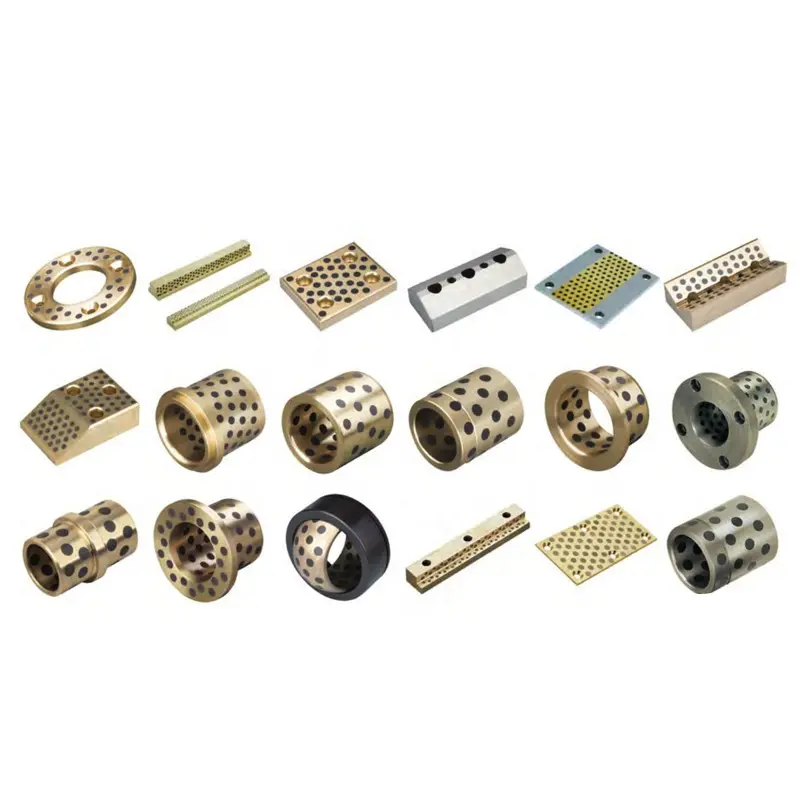 自润滑材料
自润滑材料
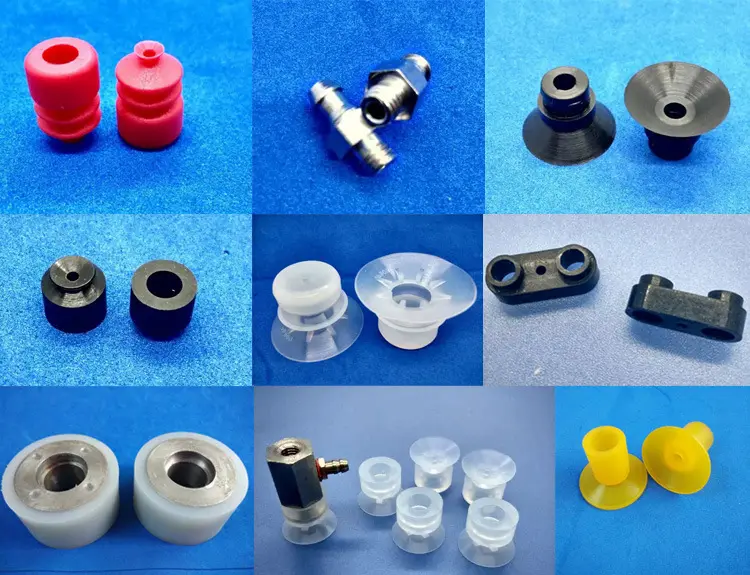 密封材料
密封材料
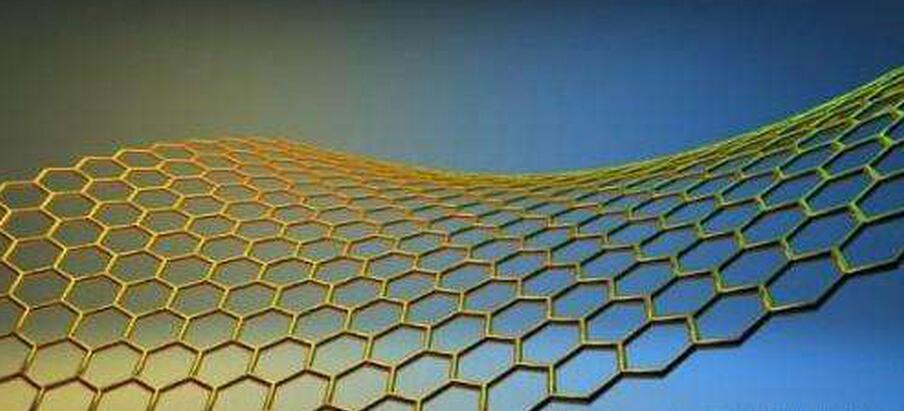 新兴材料
新兴材料
 加工设备
加工设备
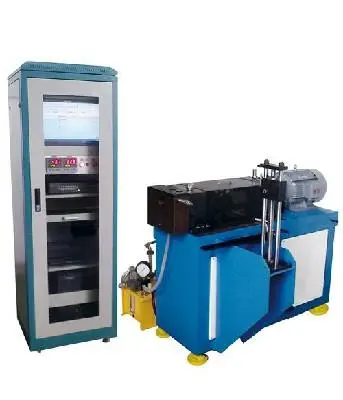 摩擦试验机
摩擦试验机
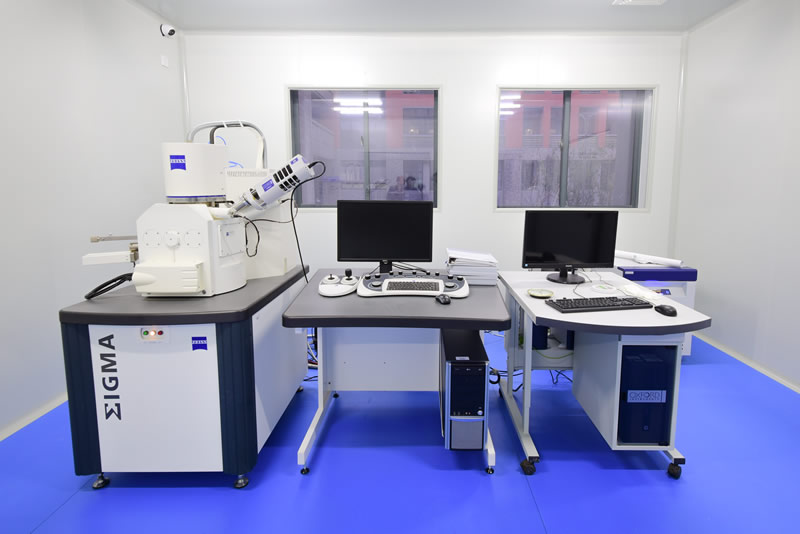 大型表征仪器
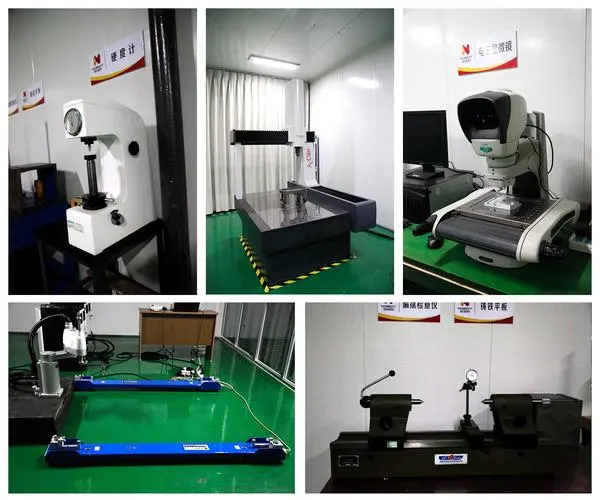 小型测试设备