Transient electronics have emerged as a promising way to mitigate electronic pollution. However, developing soft transient electronics with practical potential to recover mechanical properties, restore sensing signals during operation, and rapidly vanish under specific external stimulation remains challenging. Herein, a molecular design strategy is proposed based on Zn2⁺-coordinated oxime-carbamate groups to simultaneously enhance mechanical strength, toughness, self-healing, and photodegradation performance in soft polyurethane elastomers (Zn-MDPU). Compared with MDPU elastomers without Zn2+ coordination interactions, the mechanical strength and toughness of Zn-MDPU elastomers are enhanced 3.8- and 16-fold, respectively, without any deterioration in their softness. The Zn2+ ions facilitate both the dynamic exchange of oxime-carbamate units, to enable efficient self-healing at room temperature, and the homolytic scission of weak N─O bonds within these groups for photodegradation. Application of Zn-MDPU elastomers coated with liquid metal is demonstrated through a patterned flexible transient conductor for human–machine interaction and health monitoring, along with the development of a self-healing triboelectric nanogenerator for mechanical energy harvesting. The proposed molecular design strategy opens vast possibilities for developing soft transient materials for wearable electronics applications.
周老师: 13321314106
王老师: 17793132604


邮箱号码: lub@licp.cas.cn





 润滑剂
润滑剂
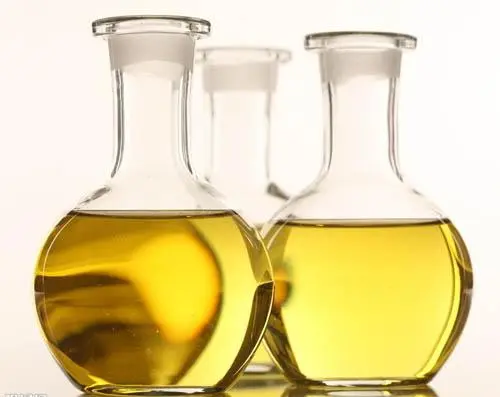 润滑油添加剂
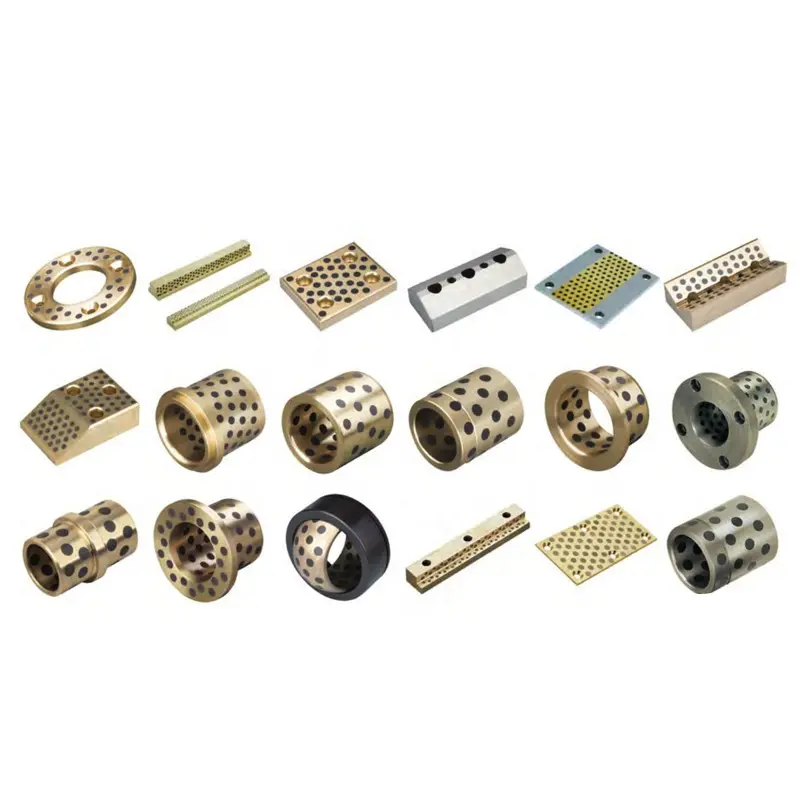 自润滑材料
自润滑材料
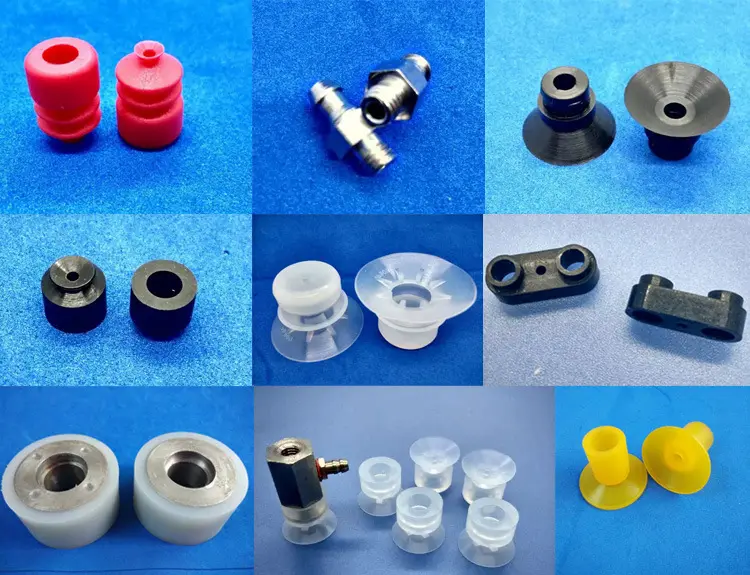 密封材料
密封材料
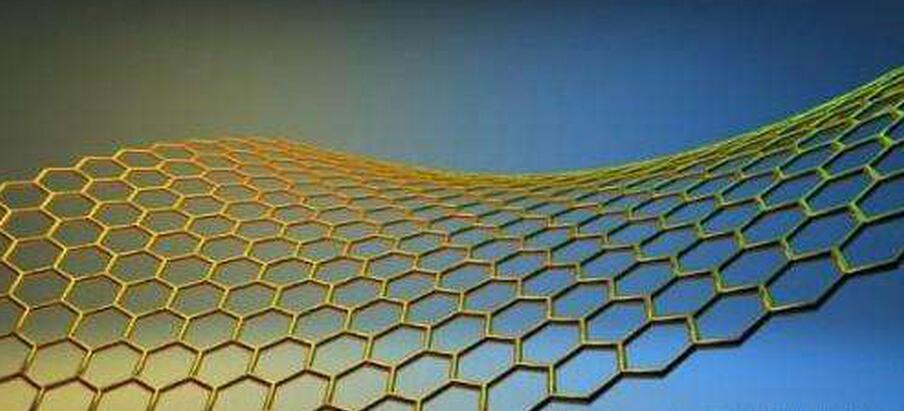 新兴材料
新兴材料
 加工设备
加工设备
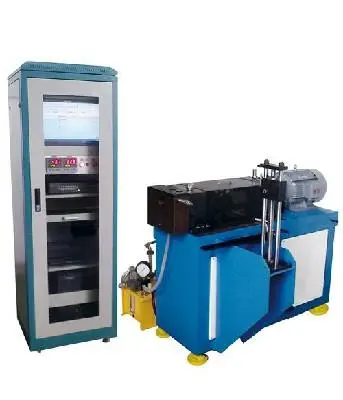 摩擦试验机
摩擦试验机
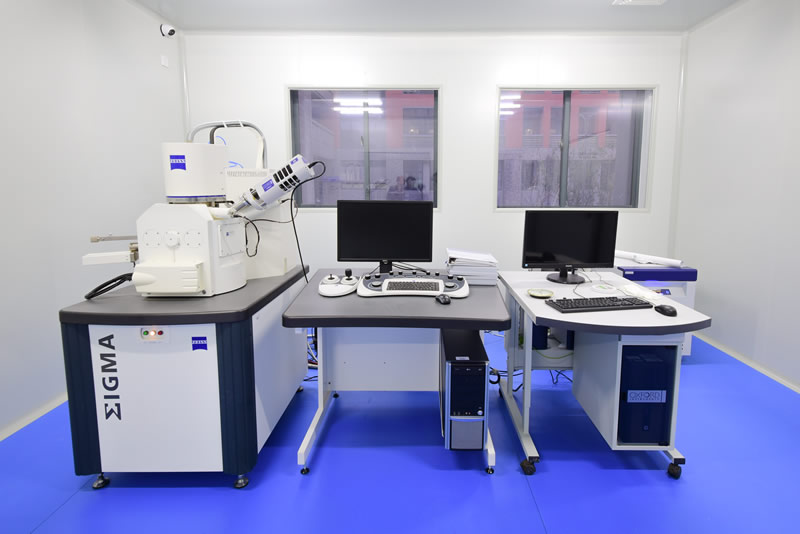 大型表征仪器
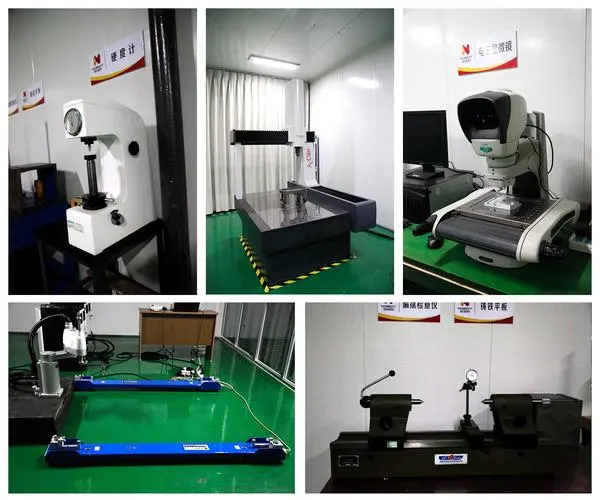 小型测试设备