Elastic conductive fibers, owing to their flexibility, breathability, and integrability, are essential for smart textiles. While traditional covalently cross-linked fibers offer excellent performance, their high viscosity limits melt processing and impedes effective composite formation with conductive fillers. Currently, melt spinning technology based on dynamic covalent bonds remains in its infancy, and no studies have reported the successful fabrication of covalently cross-linked electronic conductive fibers using this technique. To this end, a covalently cross-linked polyurethane is developed that exhibits both high performance and excellent reprocessability. During the reprocessing, the small molecule cross-linker is released from the cross-linked network, which weakens the non-covalent interaction between linear molecular chains, playing a key role in plasticization and viscosity reduction. The synthesized polyurethane and conductive filler formed a homogeneous composite system, which is used to produce elastic conductive fibers through melt spinning. The resulting conductive fibers exhibited high tensile strength (7.8 MPa), stretchability (53.5 %), high-temperature resistance (200 °C), and solvent resistance. The fabricated fibers are integrated into a harsh condition-tolerant triboelectric nanogenerator and used for information transmission. Conductive fibers with negative dielectric constant properties enhanced signal output tenfold due to their unique polarization behavior, offering a new approach for constructing advanced triboelectric nanogenerators.
周老师: 13321314106
王老师: 17793132604


邮箱号码: lub@licp.cas.cn





 润滑剂
润滑剂
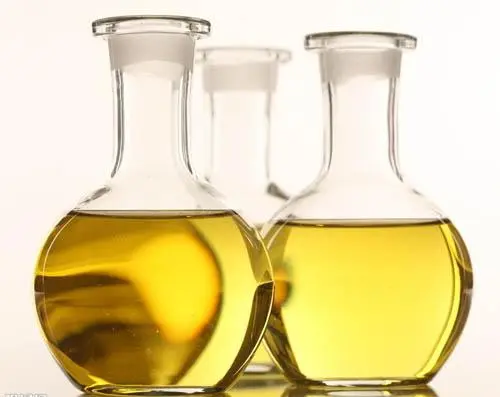 润滑油添加剂
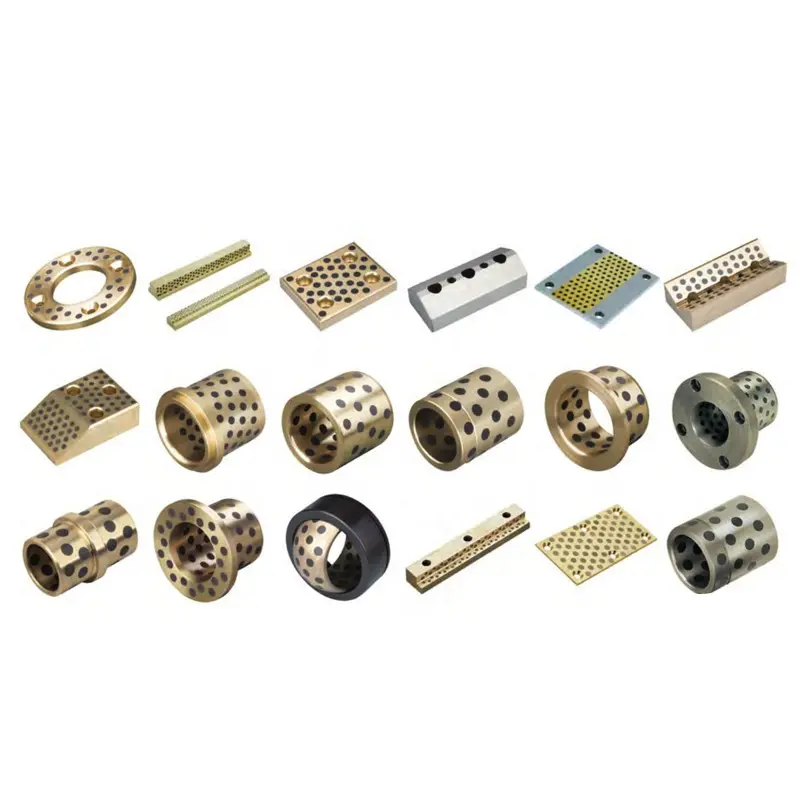 自润滑材料
自润滑材料
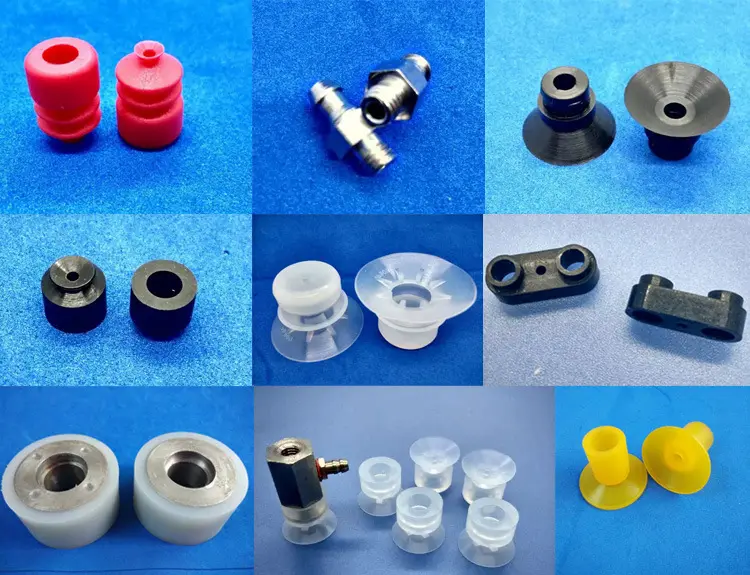 密封材料
密封材料
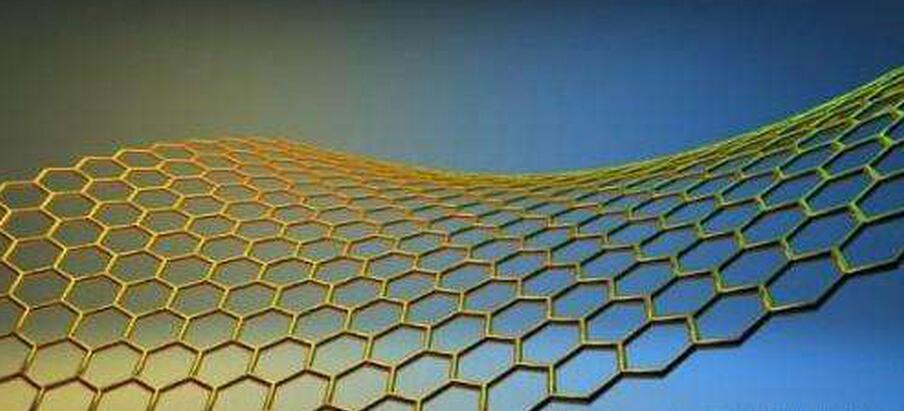 新兴材料
新兴材料
 加工设备
加工设备
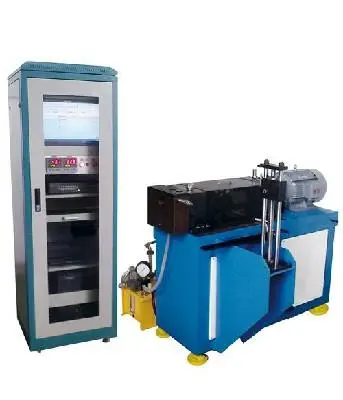 摩擦试验机
摩擦试验机
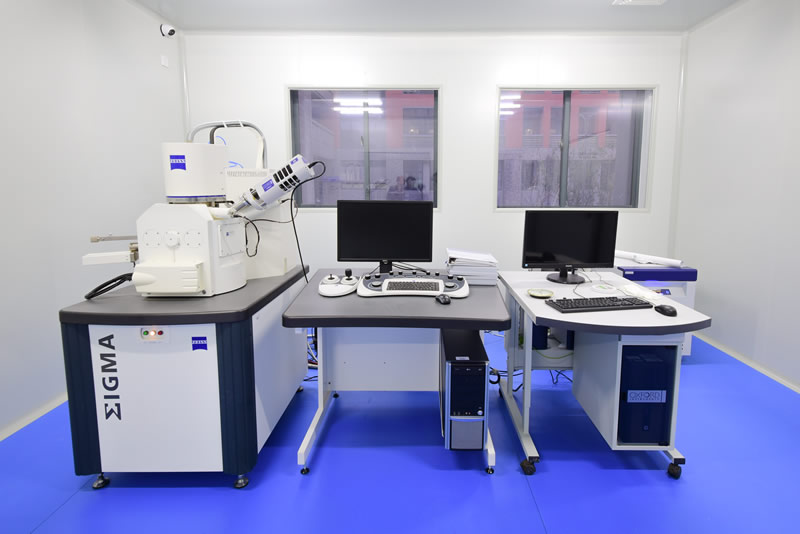 大型表征仪器
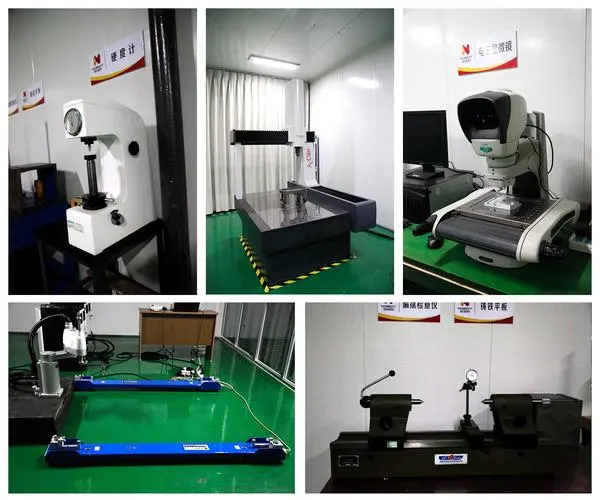 小型测试设备