Achieving repeatable self-healing without human intervention in metal circuits remains a critical challenge. Here, we repurpose electrochemical migration, typically a reliability hazard, into a controlled mechanism for intrinsic conductive self-healing. By optimizing structure of flexible printed circuit boards (PCBs), directional electrochemical migration is allowed to bridge mechanically damaged traces self-driven by the operational voltage of the PCB itself. The PCBs comprises a healable supramolecular substrate (consists of linear polyurethane and hyperbranched oligomer (LPU/HBO)), Ag circuits, a polyvinyl alcohol isolation layer, gelatin/glycerol/KNO3 colloidal electrolyte, and an LPU/HBO encapsulation layer. Upon damage, capillary action drives the electrolyte infiltration into cracks, and then promote electrochemical migration between severed wires under working voltage, autonomously reconnecting fractures via metallic dendrite growth. The self-healing procedure is repeatable, restoring ≈ 100% current in several hours at room temperature, while metal trace can withstand up to 350,000 bending cycles. This work transforms electrochemical migration from a failure mode into a sustainable self-healing strategy, advancing flexible electronics toward long-term reliability.
周老师: 13321314106
王老师: 17793132604


邮箱号码: lub@licp.cas.cn





 润滑剂
润滑剂
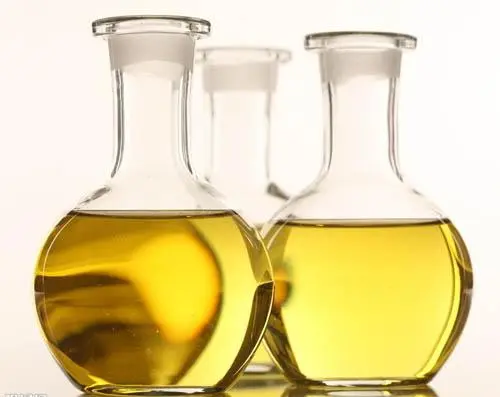 润滑油添加剂
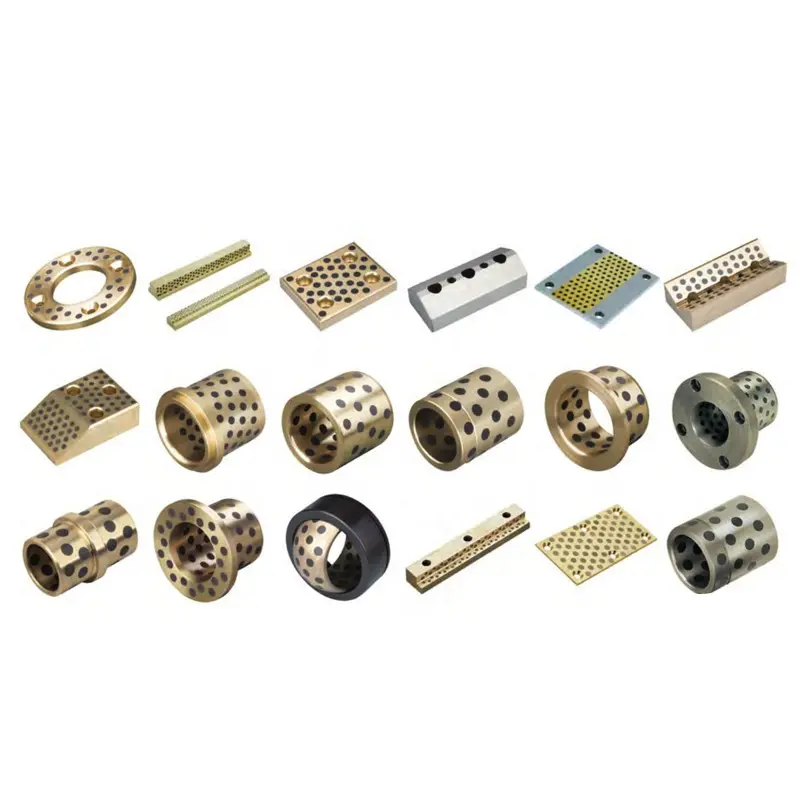 自润滑材料
自润滑材料
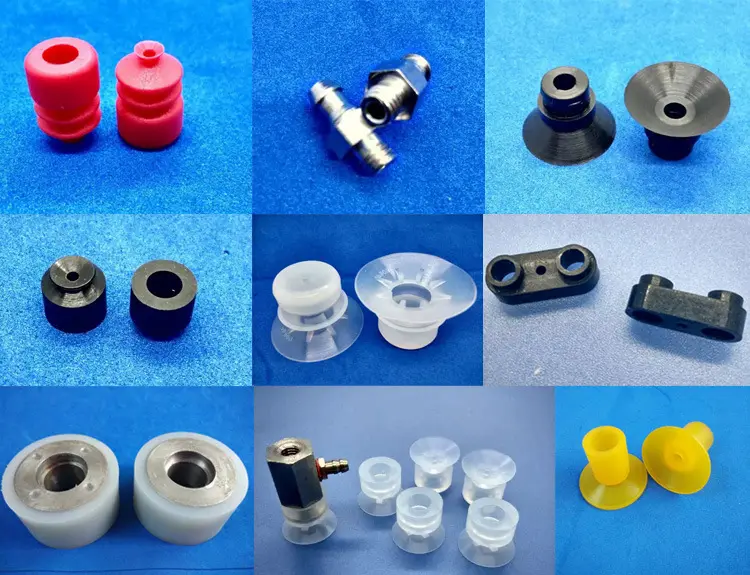 密封材料
密封材料
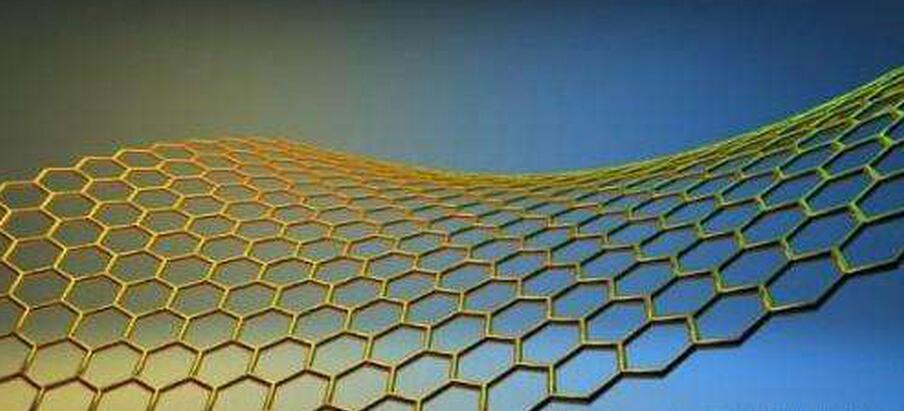 新兴材料
新兴材料
 加工设备
加工设备
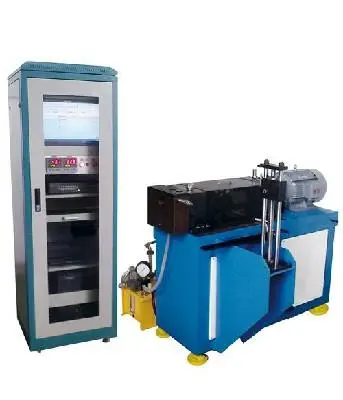 摩擦试验机
摩擦试验机
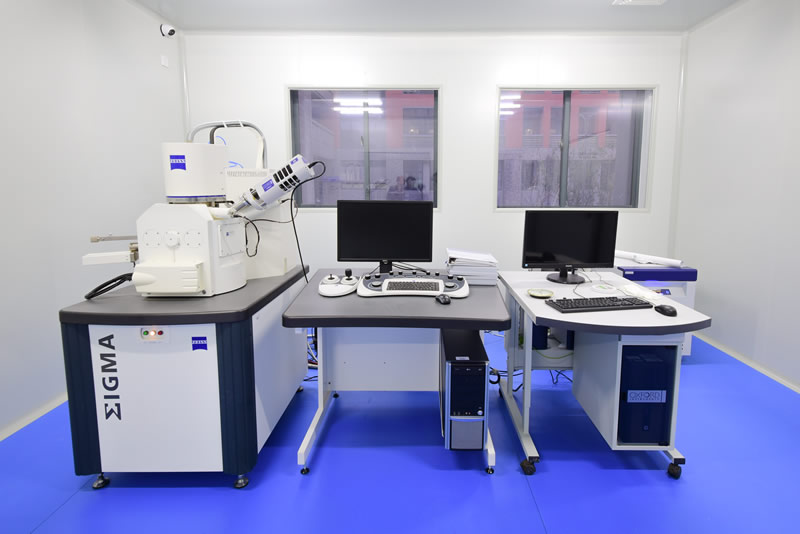 大型表征仪器
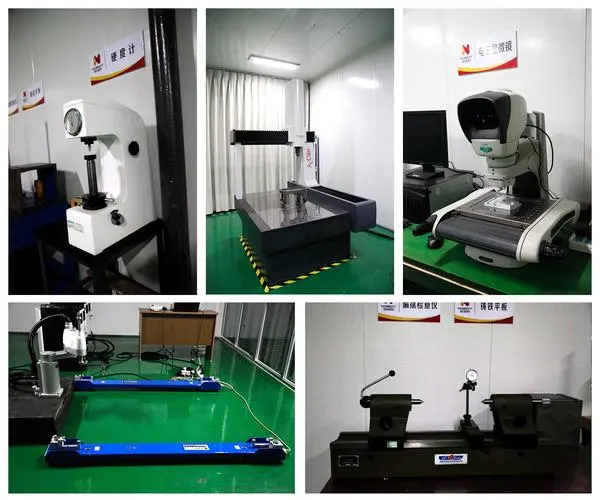 小型测试设备