Developing multifunctional protective coatings with long-term durability, UV resistance, and autonomous healing capability is crucial for addressing corrosion challenges in harsh service environments. Herein, a hierarchically interface-programmed polyurethane composite coating is constructed by covalently grafting an antioxidant into the polymer backbone and embedding photothermal-active polyacrylonitrile/cobalt–manganese–nickel layered double hydroxide (LDH) nanofibers via electrospinning and template etching. The antioxidant-modified matrix suppresses photooxidative degradation, while the LDH nanofillers enable efficient solar-to-thermal conversion, ion trapping, and strong interfacial hydrogen bonding. These interfacial interactions created “rivet-like” anchoring sites, significantly improving coating compactness and interfacial adhesion stability. The composite coating exhibited rapid and efficient solar-triggered self-healing, achieving self-healing efficiency of 98.3% within 5 min illumination. Even after 360 h of UV aging, the coating retained high gloss, mechanical integrity, and self-healing capability. Electrochemical analysis confirmed superior long-term corrosion resistance. This work provides a molecular-to-hierarchical design strategy for durable, sunlight-adaptive coatings with integrated self-healing, anti-aging, and anticorrosion functions, offering promising applications in marine, transportation, and outdoor infrastructure.
周老师: 13321314106
王老师: 17793132604


邮箱号码: lub@licp.cas.cn





 润滑剂
润滑剂
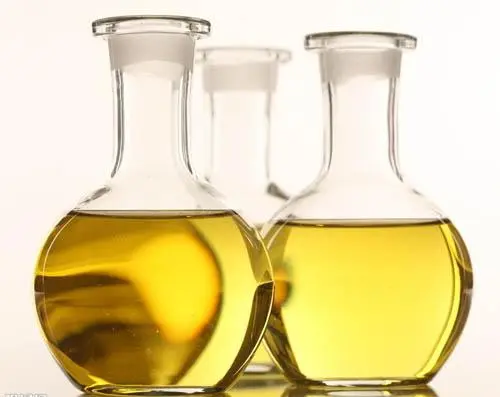 润滑油添加剂
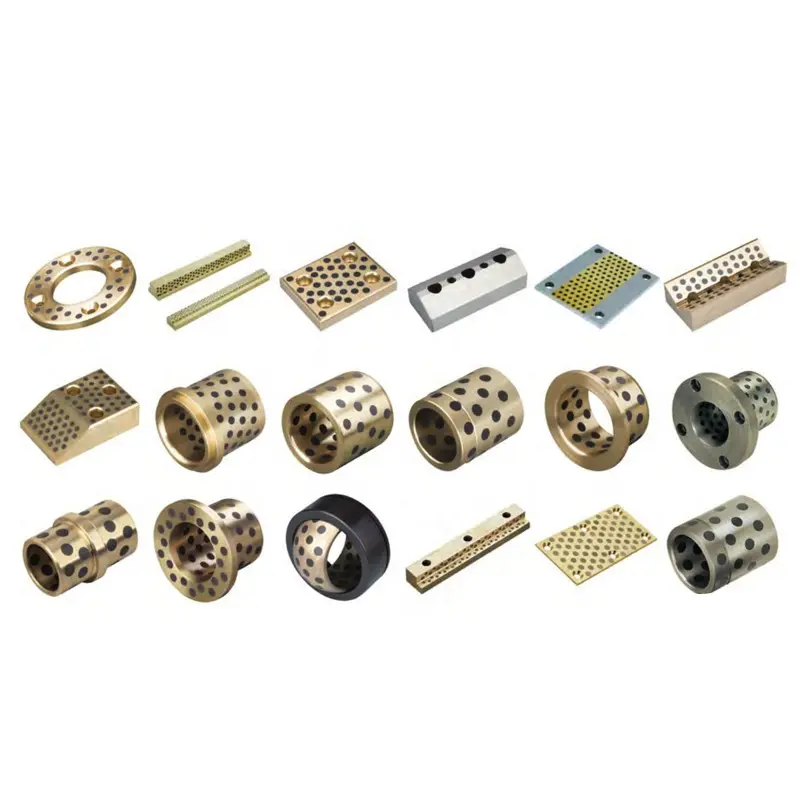 自润滑材料
自润滑材料
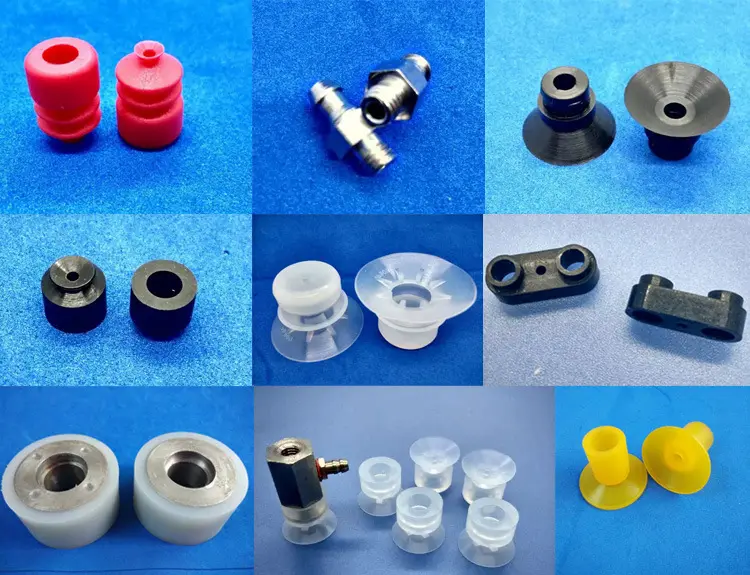 密封材料
密封材料
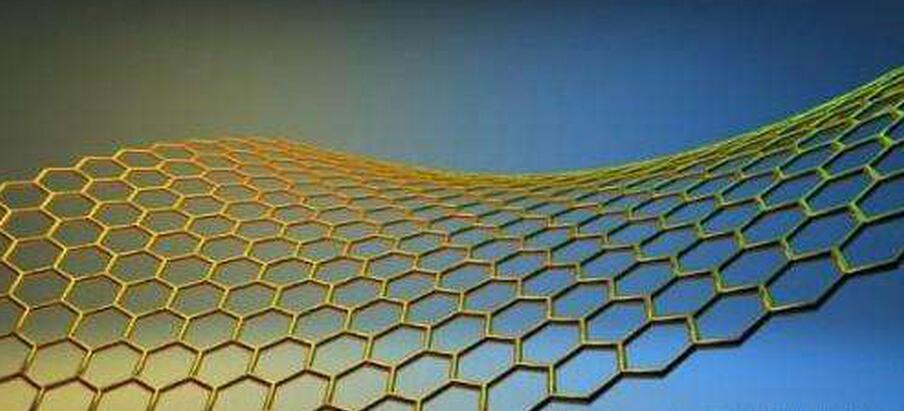 新兴材料
新兴材料
 加工设备
加工设备
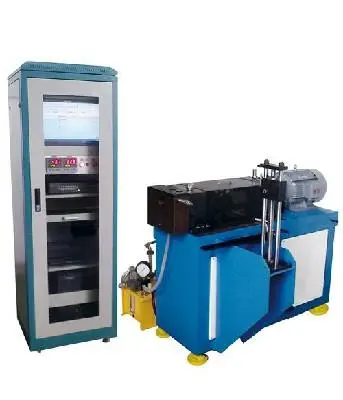 摩擦试验机
摩擦试验机
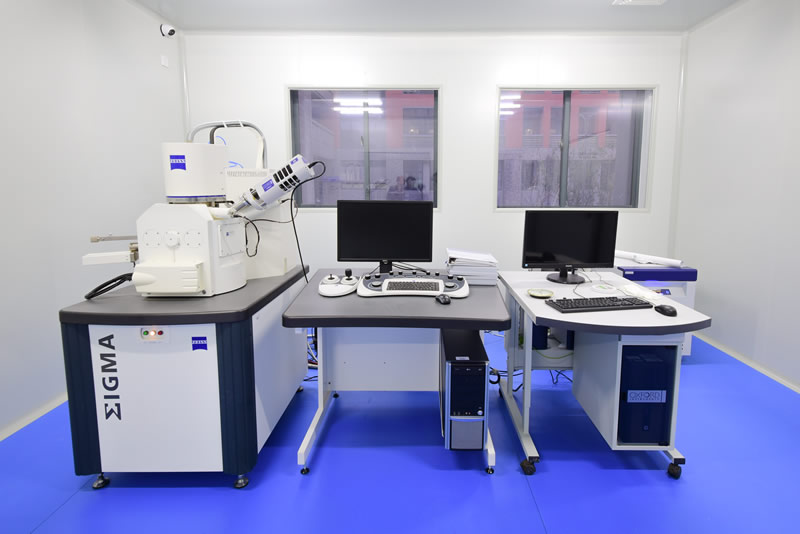 大型表征仪器
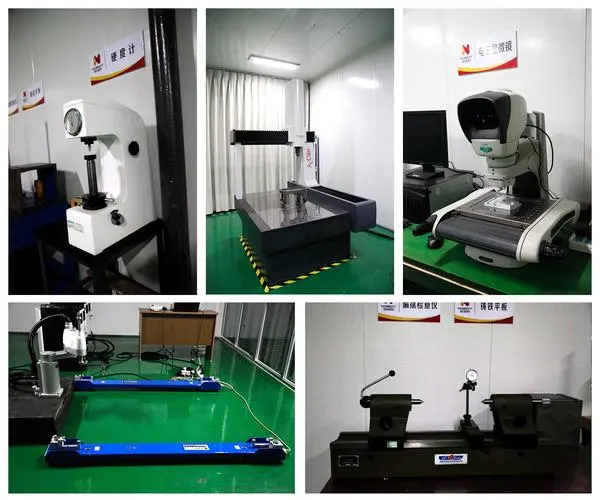 小型测试设备