The escalating threats posed by global warming highlight the need to develop multi-functional wearable materials that integrate personal thermal management and sustainable energy technologies. Despite progress in radiative cooling textiles, integrating inorganic nanoarchitectonics and biological matrices while maintaining human-centric functionalities remains a major challenge. This study presents a bio-inspired interface engineering strategy to construct biomimetic wearable materials through dynamical molecular-level welding of halloysite nanotubes with natural skin-derived frameworks. The resultant hierarchical skin prosthesis (HSP-skin) features multi-dimensional interfacial crosslinking networks that enable unprecedented optical-thermal regulation (93.4% solar reflectance and 94.2% mid-infrared emissivity) and triboelectric polarization enhancement. Demonstrating a net radiative cooling power of 88.7 W m−2 under peak solar irradiation, HSP-skin achieves sub-ambient temperature drops of above 10.29 °C while generating significant triboelectric outputs (8.68 W m−2 power density) through biomechanical energy harvesting. Moreover, the biomimetic architecture confers intelligent wearability, showing outstanding moisture-vapor permeability, anisotropic thermal insulation (0.059 W·m−1·K−1), and flame-retardant self-extinguishing properties. The continuous radiative cooling endurance and physiological signal monitoring capabilities have been verified in field trials in tropical regions; climate modeling predicted notable energy-savings in subtropical zones. This nature-derived interfacial welding method pioneers a materials-genome approach for next-generation smart textiles, bridging the gap between human-comfort engineering and carbon-neutral energy systems.
周老师: 13321314106
王老师: 17793132604


邮箱号码: lub@licp.cas.cn





 润滑剂
润滑剂
 润滑油添加剂
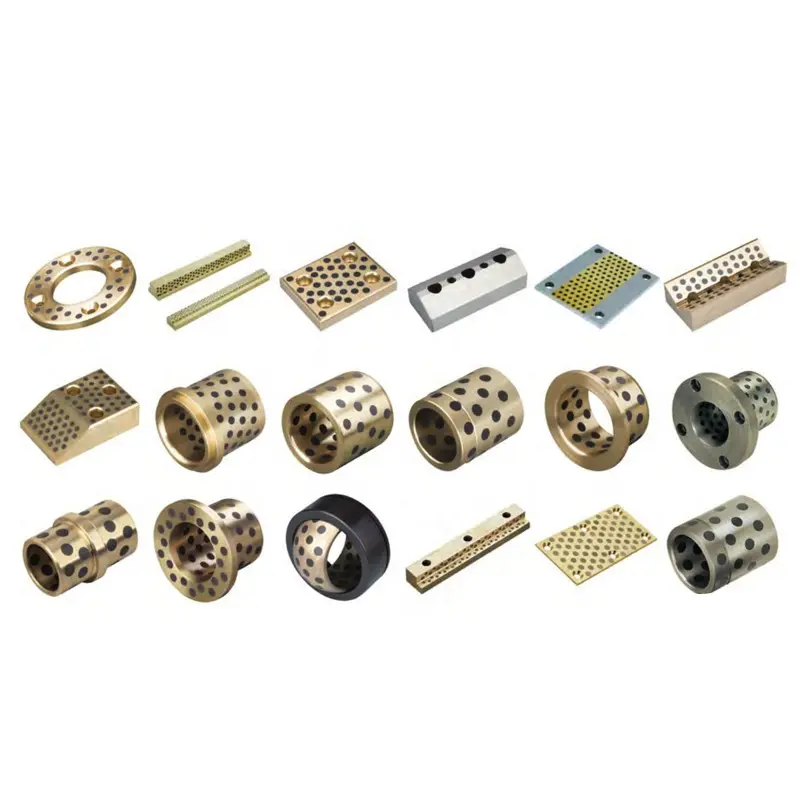 自润滑材料
自润滑材料
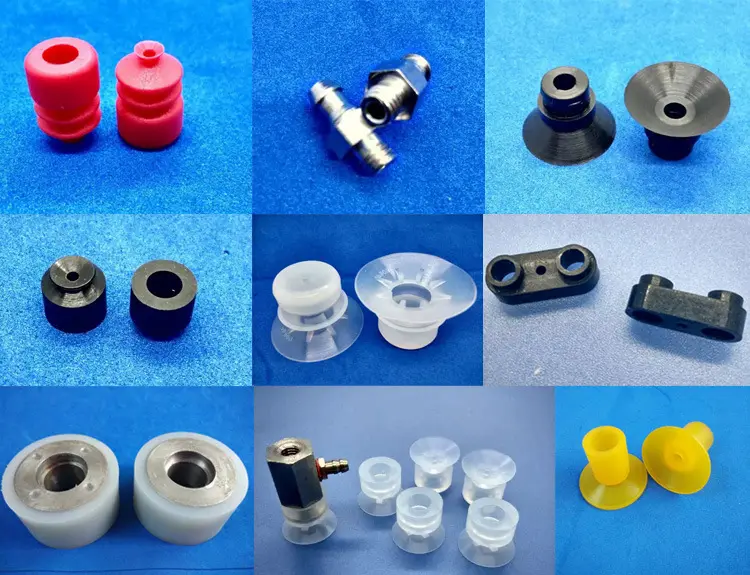 密封材料
密封材料
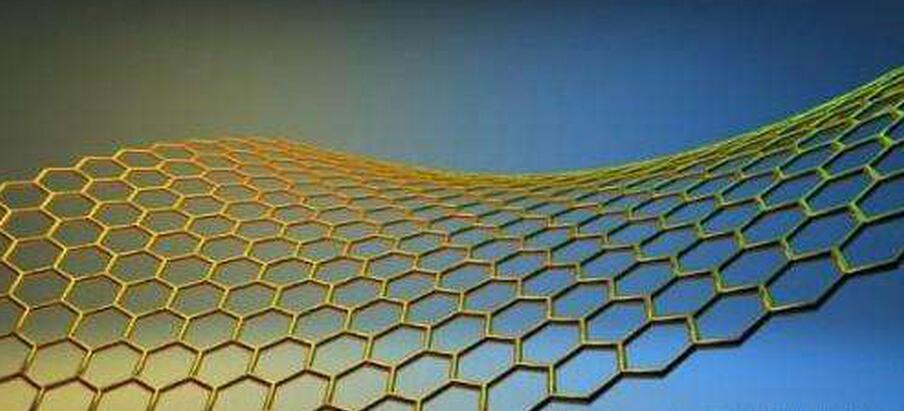 新兴材料
新兴材料
 加工设备
加工设备
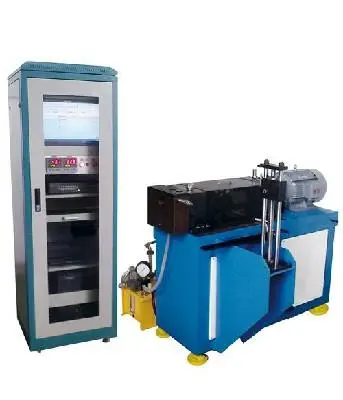 摩擦试验机
摩擦试验机
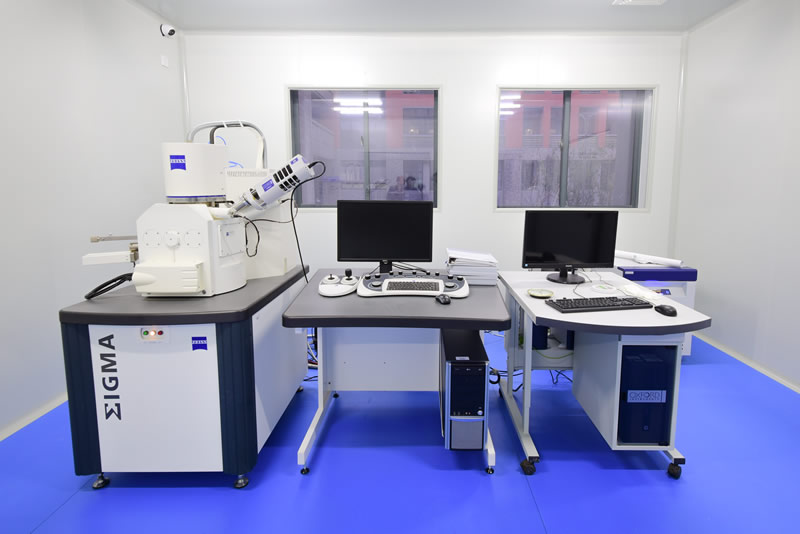 大型表征仪器
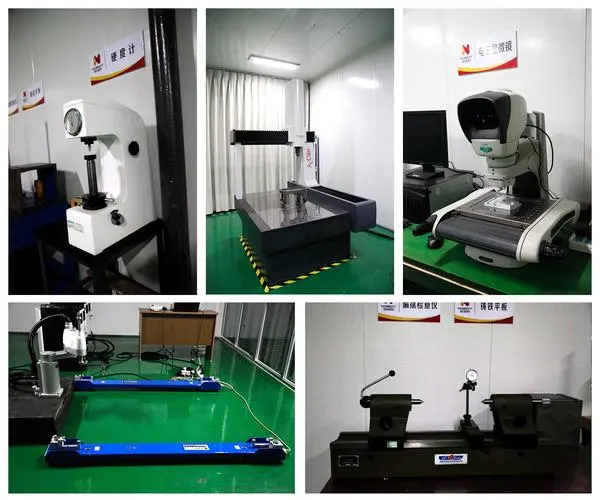 小型测试设备