Lithium metal holds immense promise for next-generation high-energy-density batteries; however, its practical deployment is impeded by sluggish kinetics and intricate interfacial chemistry. To address these challenges, we engineered a high-throughput carbon scaffold (HTCS) via bio-alkaline treatment, serving as a host for both sulfur cathodes (HTCS/S) and lithiophilic HTCS/Li–GaIn anodes fabricated through in situ melt-infusion. This porous, interconnected 3D architecture effectively mitigates local current density and interfacial resistance, thereby suppressing polarization and enhancing wettability, the ultrahigh fluid flux of this HTCS reached 9.0×10⁵ L m−2 h −1 bar−1. Furthermore, the incorporation of liquid GaIn alloy buffers lithium reactivity, inhibits dendrite growth, and ensures uniform deposition. Consequently, symmetric HTCS/Li–GaIn cells exhibit exceptional stability for over 5000 h with a low polarization of approximately 65 mV. When paired in a full cell configuration, the HTCS/S||HTCS/Li–GaIn system delivers a specific capacity of 1586.9 mAh g−1 at 0.1 C after 100 cycles. Corroborating these results, ab initio molecular dynamics (AIMD) simulations reveal a robust binding energy of −2.81 eV between Li and GaIn motifs within amorphous Li–GaIn alloys, confirming strong metallic interactions. This synergistic integration of the conductive HTCS framework with the self-healing liquid metal facilitates rapid Li+ transport while effectively curtailing polysulfide dissolution and the shuttle effect.
周老师: 13321314106
王老师: 17793132604


邮箱号码: lub@licp.cas.cn





 润滑剂
润滑剂
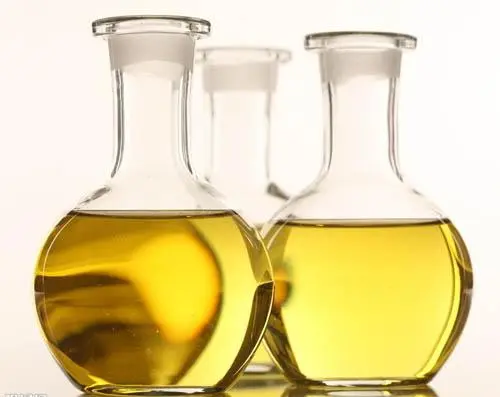 润滑油添加剂
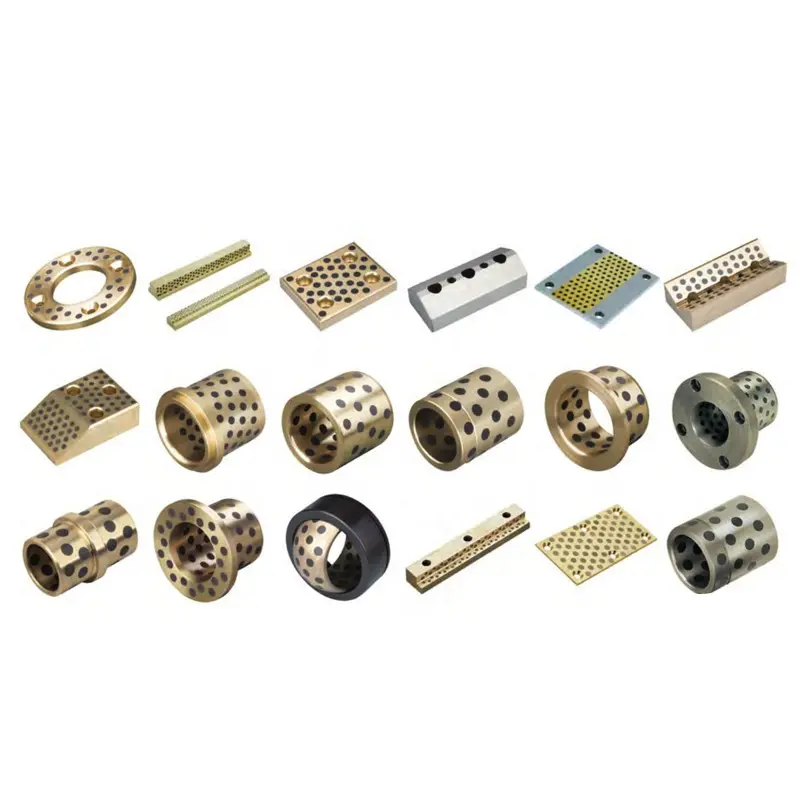 自润滑材料
自润滑材料
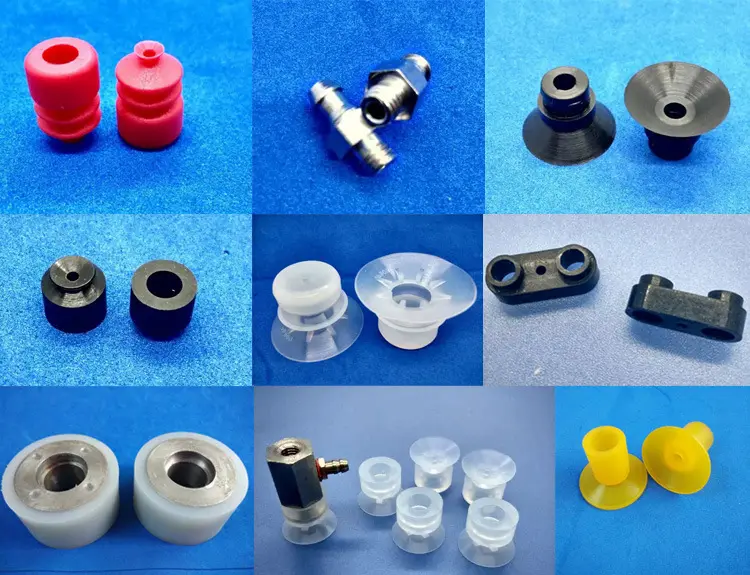 密封材料
密封材料
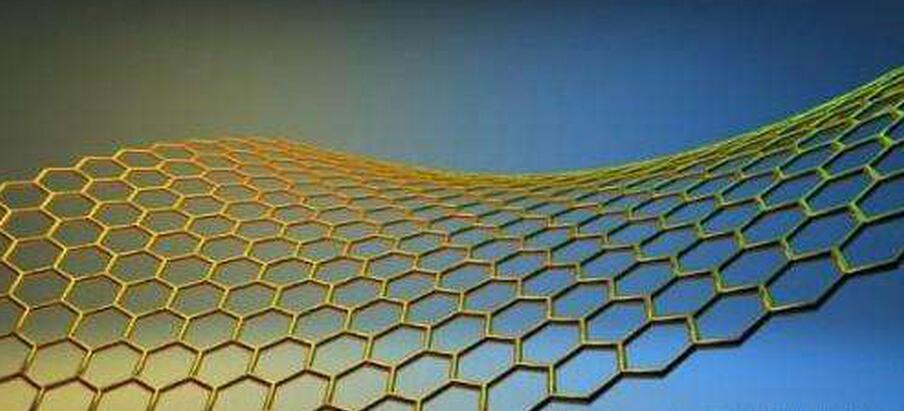 新兴材料
新兴材料
 加工设备
加工设备
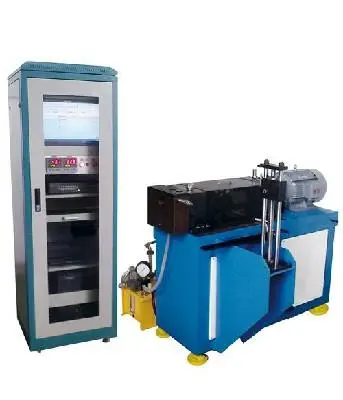 摩擦试验机
摩擦试验机
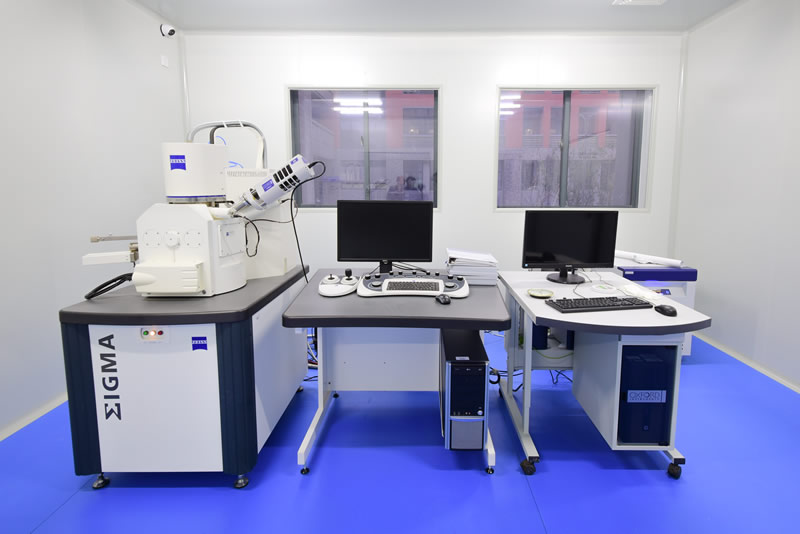 大型表征仪器
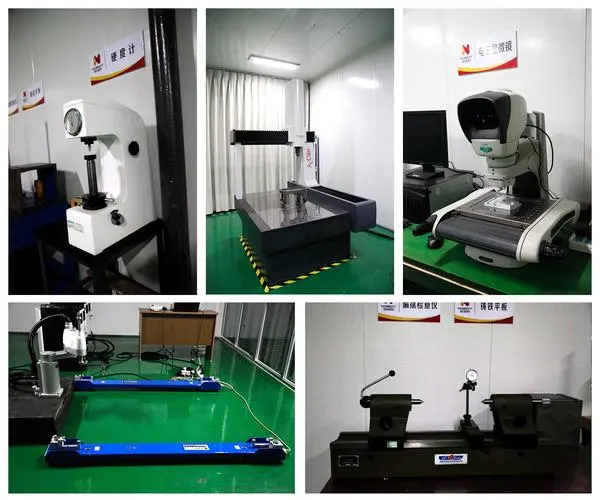 小型测试设备