When tissue injury exceeds its intrinsic regenerative capacity, artificial interventions are required. Endogenous electric fields (EEFs) have been shown to regulate cell and tissue behavior, providing a physiological basis for using electrical stimulation (ES) to mimic or amplify these cues with precise, low-amplitude, continuous signaling that tunes membrane potential, Ca 2+ influx, and downstream pathways. Replicating EEFs via biomaterials featuring self-generated electric fields (SGEF biomaterials) enables wireless, conformal delivery in tissues without wired power or bulky hardware, improving safety, comfort, and integration. This review focuses on polymer-based SGEF biomaterials to deliver ES without wired external power sources or batteries. We summarize the mechanisms by which ES modulates tissue repair and regeneration, and then survey polymer-based SGEF biomaterials, including piezoelectric polymers, polymer-based triboelectric nanogenerators, thermoelectric polymers, photoelectric polymers, and polymer-based magnetoelectric composites, highlighting their historical development, working principles and recent advances. The effects of polymer chemistry, structure and fabrication strategies on electrical output and stability are discussed. Representative applications in varying kinds of tissues are analyzed in terms of tissue-specific requirements. Finally, the prospects and future directions of polymer-based SGEF biomaterials are envisioned. This review presents a comprehensive summary and classifies polymer-based SGEF strategies according to their transduction mechanisms to facilitate comparison and future materials design.
周老师: 13321314106
王老师: 17793132604


邮箱号码: lub@licp.cas.cn





 润滑剂
润滑剂
 润滑油添加剂
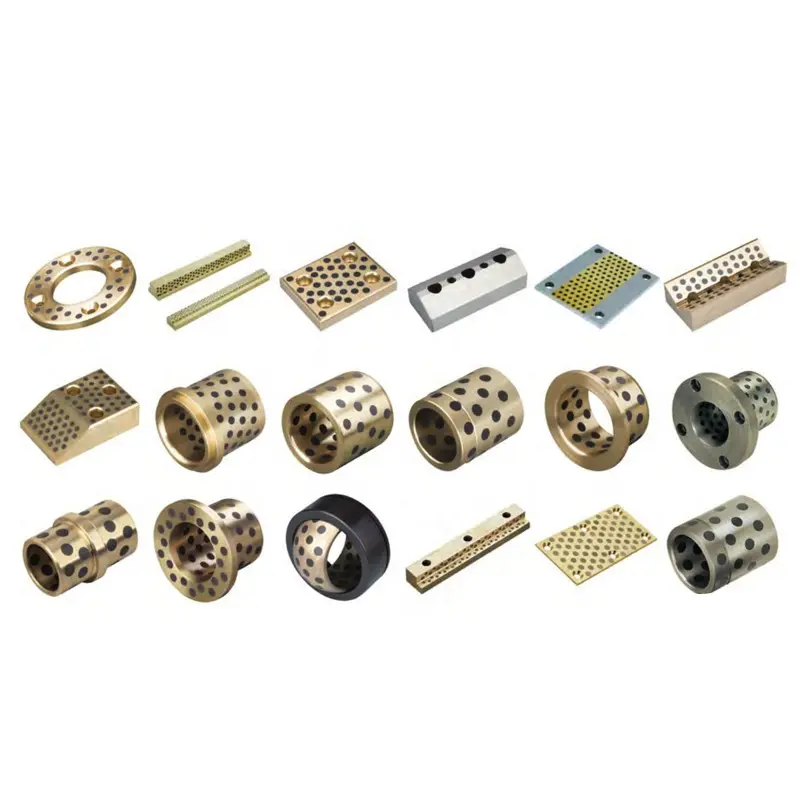 自润滑材料
自润滑材料
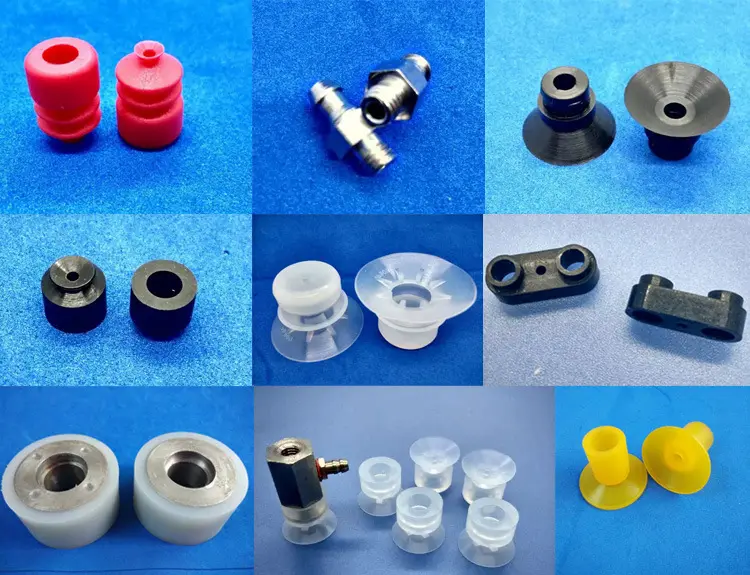 密封材料
密封材料
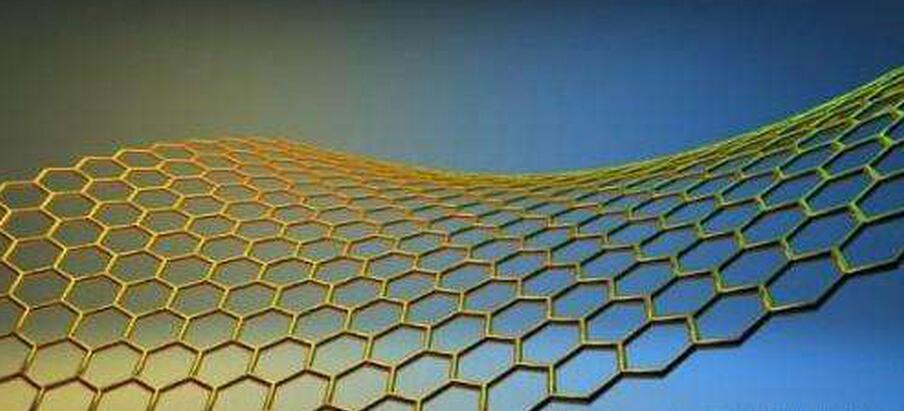 新兴材料
新兴材料
 加工设备
加工设备
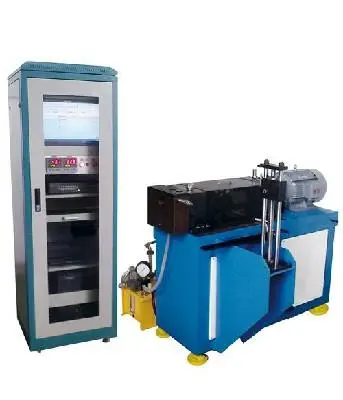 摩擦试验机
摩擦试验机
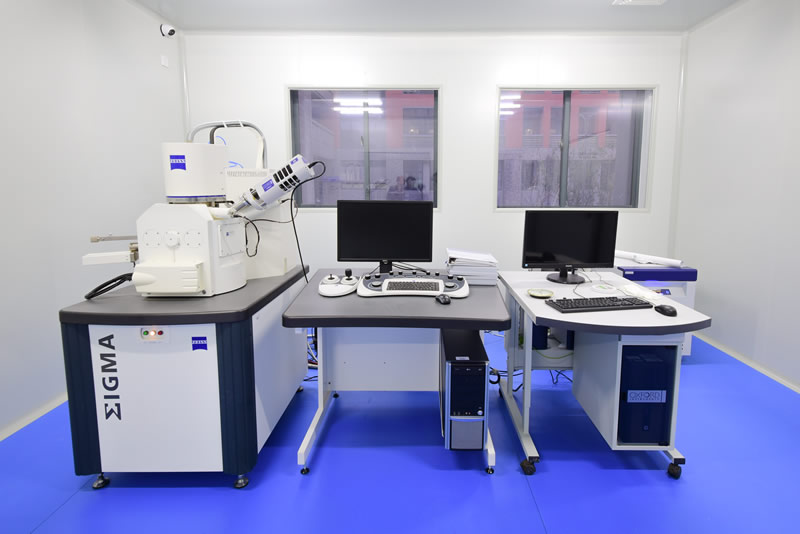 大型表征仪器
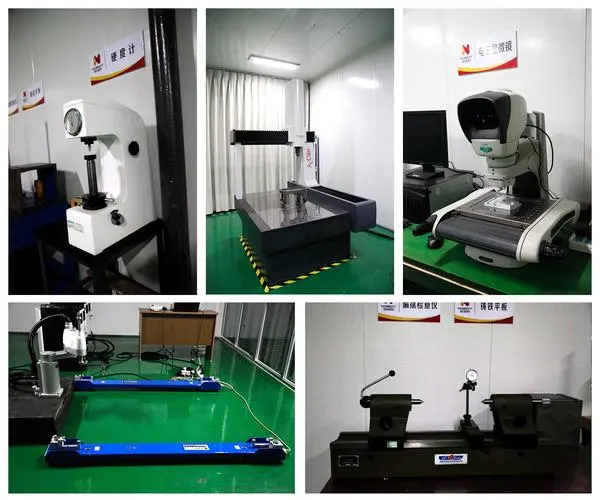 小型测试设备