Integrating stem cells into regenerative medicine has opened new frontiers in therapeutic intervention. Among different strategies, electrical stimulation (ES) has emerged as a key biophysical cue and non-pharmacological approach for modulating stem cell fate to enhance therapeutic efficacy. However, the widespread clinical adoption of ES devices is limited by high costs, dependence on external power sources, limited durability, and the need for frequent maintenance. These limitations reduce their suitability for wearable healthcare applications. The emergence of self-powered systems based on triboelectric, piezoelectric, thermoelectric, pyroelectric, biofuel and galvanic materials present a compelling solution to these challenges. This review highlights the mechanisms and effects of ES on stem cells and categorizes and analyzes various self-powered device platforms. The role of ES technologies on regulating stem cell behavior during tissue regeneration and functional rehabilitation are discussed. Finally, we examine the remaining challenges and potential opportunities, offering a forward looking perspective on the clinical translation of self-powered ES technologies.
周老师: 13321314106
王老师: 17793132604


邮箱号码: lub@licp.cas.cn





 润滑剂
润滑剂
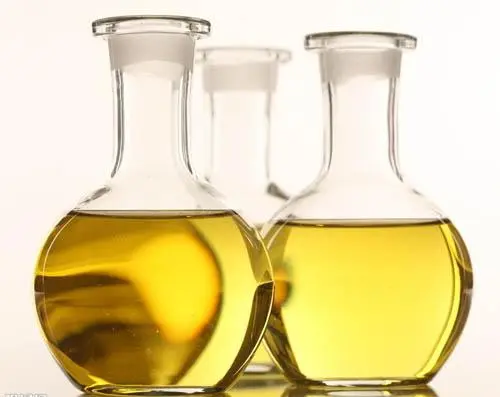 润滑油添加剂
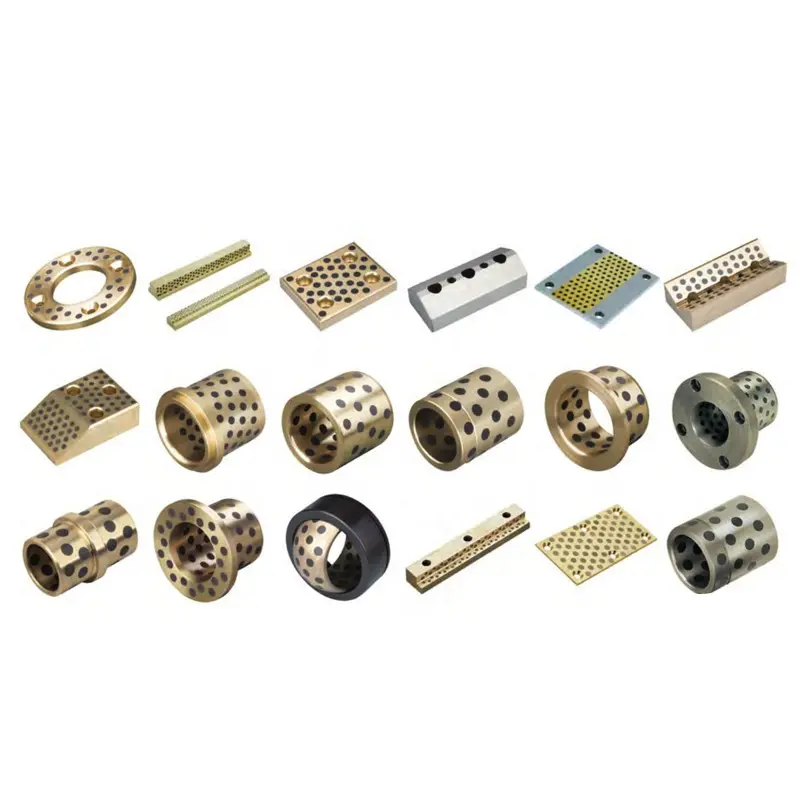 自润滑材料
自润滑材料
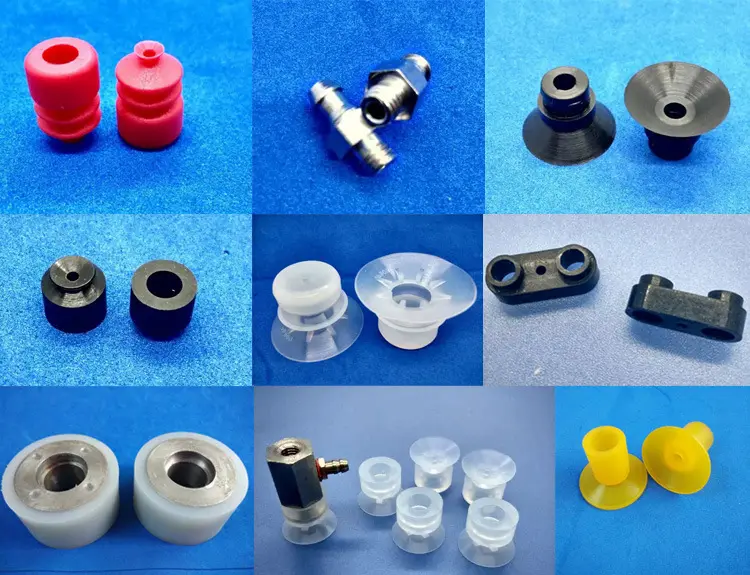 密封材料
密封材料
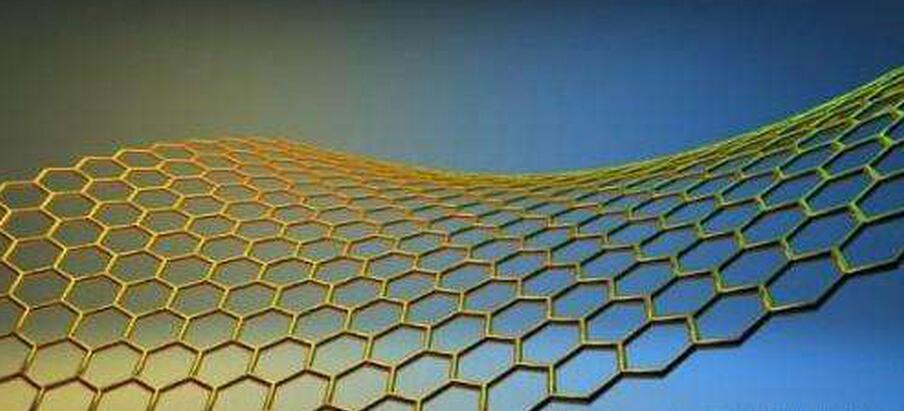 新兴材料
新兴材料
 加工设备
加工设备
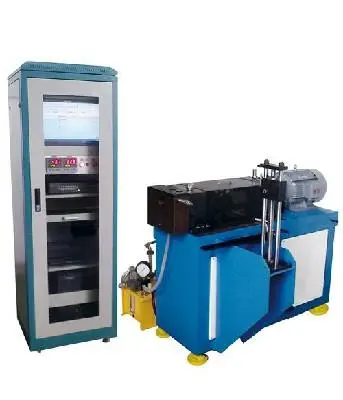 摩擦试验机
摩擦试验机
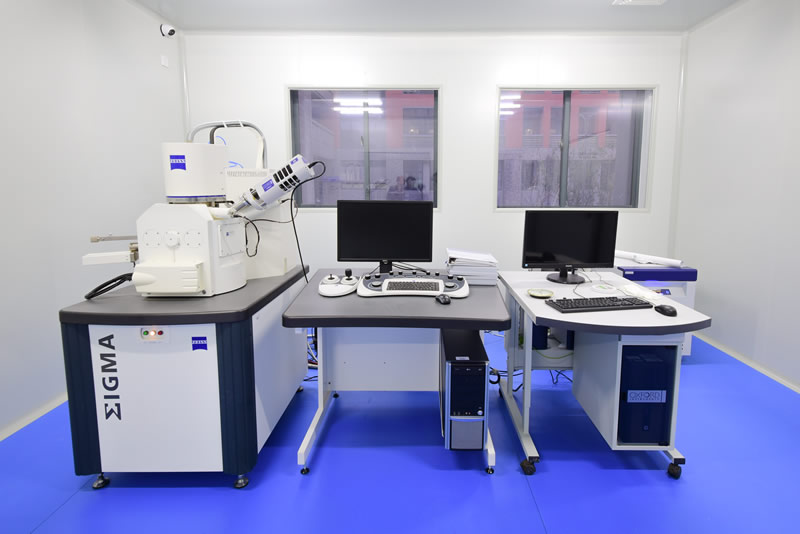 大型表征仪器
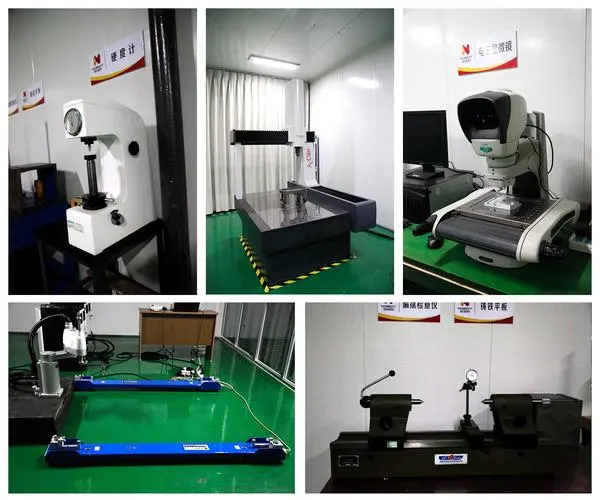 小型测试设备