Mitochondrial autophagy imbalance critically drives apoptosis and tissue degeneration, requiring physiological electrical adaptation to meet cellular thresholds. However, degenerative tissues exhibit deficient endogenous electrical signals, disrupting cellular energy transfer. Using supramolecular engineering and microfluidic strategies, we constructed an internal-friction network hydrogel microsphere system through synergistic assembly of piezoelectric bismuth ferrite nanoparticles (BF) and sliding-ring-functionalized methacrylated hyaluronic acid (HAMA), achieving physiological electrical adaptation in degenerative tissues. BF convert mechanical stimuli into electrical signals, while the stress-dependent internal-friction network regulates energy dissipation. Under low stress, sliding-ring movement produces low friction with mechanoelectrical conversion loss of 61.5 kJ/m3, enhancing electrical generation. Under high stress, main chain straightening increases friction to 78.3 kJ/m3, suppressing excessive signals and restoring physiological electrical adaptation. The microspheres generate stable electric fields (95–110 mV/mm) under dynamic loading, promoting mitochondrial autophagy via PINK1/Parkin pathway activation, maintaining stable mitochondrial membrane potential (compared with OS group, the JC-1 ratio increases by 49.2%), and reducing nucleus pulposus apoptosis by 75%. In vivo experiments demonstrated that microsphere implantation restored the physiological electrical environment, enhanced mitochondrial autophagy, inhibited apoptosis, and delayed intervertebral disc degeneration progression, providing new insights for treating degenerative tissues through electrical adaptation restoration.
周老师: 13321314106
王老师: 17793132604


邮箱号码: lub@licp.cas.cn





 润滑剂
润滑剂
 润滑油添加剂
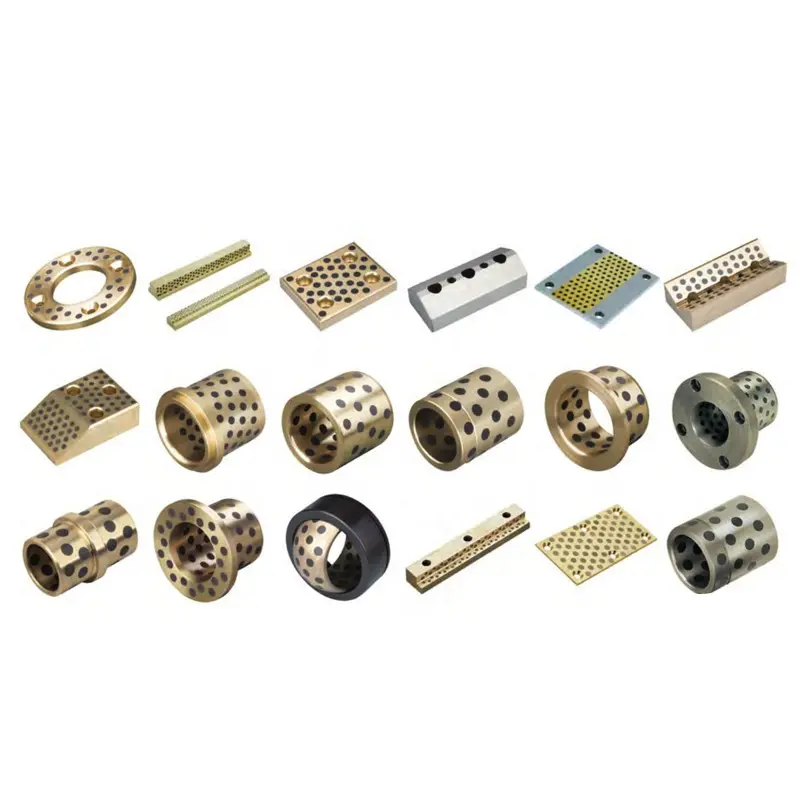 自润滑材料
自润滑材料
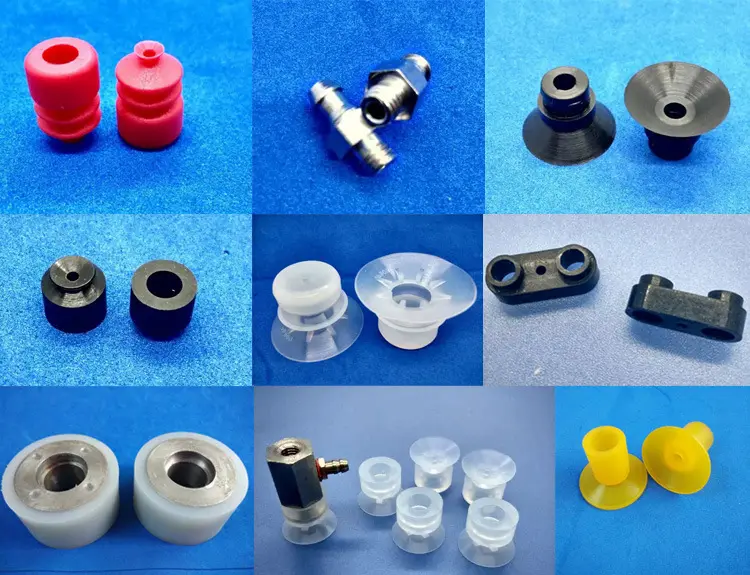 密封材料
密封材料
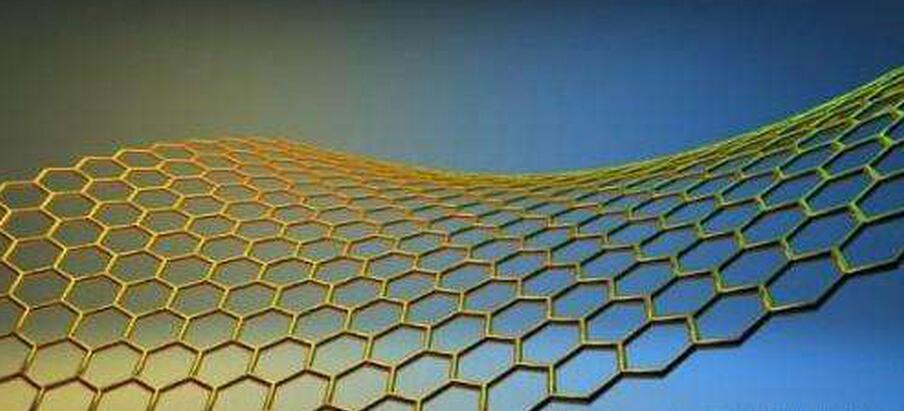 新兴材料
新兴材料
 加工设备
加工设备
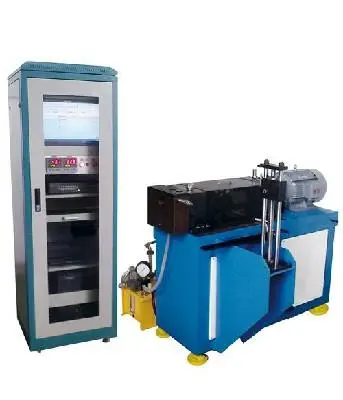 摩擦试验机
摩擦试验机
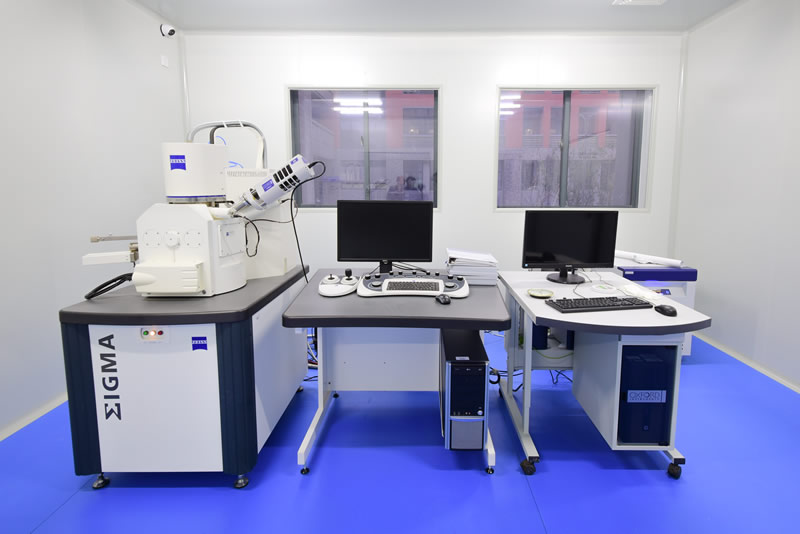 大型表征仪器
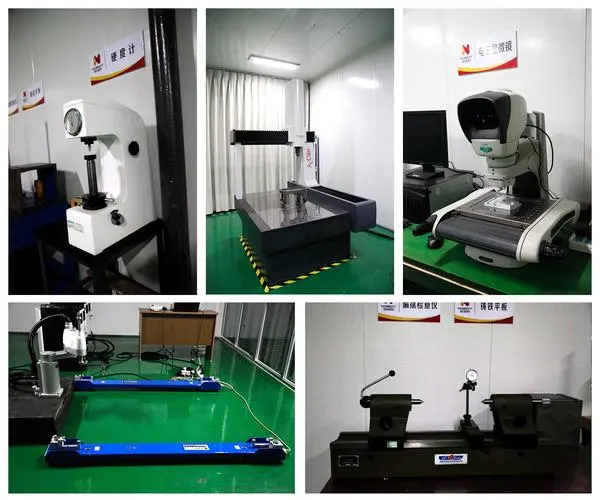 小型测试设备