Chemotactic migration of peritendinous nerves is essential for tendon regeneration, yet the underlying neuroelectrical mechanisms remain unclear. Here, we identify an electrically responsive yes-associated protein 1 (YAP1)/phosphorylated signal transducer and activator of transcription 3 (pSTAT3)/neuropilin-1 (NRP1) signaling axis in sensory neurons. Electrical stimulation enhances YAP1-pSTAT3 interaction, promotes pSTAT3 nuclear translocation and transcriptional activity, and up-regulates NRP1 to support growth of calcitonin gene-related peptide (CGRP)–positive sensory fibers. Guided by these findings, we engineered a bifunctional piezoelectric patch composed of poly(vinylidene difluoride-trifluoroethylene) [P(VDF-TrFE)] and regenerated silk fibroin@poly(3,4-ethylenedioxythiophene):polystyrene sulfonate (RSF@P:P), coupling mechanically induced electrical cues with dynamic lubrication. Under ultrasound activation, the P(VDF-TrFE) layer generates localized electrical signals that facilitate sensory-nerve and vascular ingrowth, while the RSF@P:P layer undergoes piezoelectric-triggered gel-sol transition to form a low-friction interface and reduce adhesion. In rat and Bama minipig models, the patch markedly enhanced tendon regeneration and decreased adhesion scores by ~50%. These findings establish a neuroelectrically guided strategy for enhancing tendon healing.
周老师: 13321314106
王老师: 17793132604


邮箱号码: lub@licp.cas.cn





 润滑剂
润滑剂
 润滑油添加剂
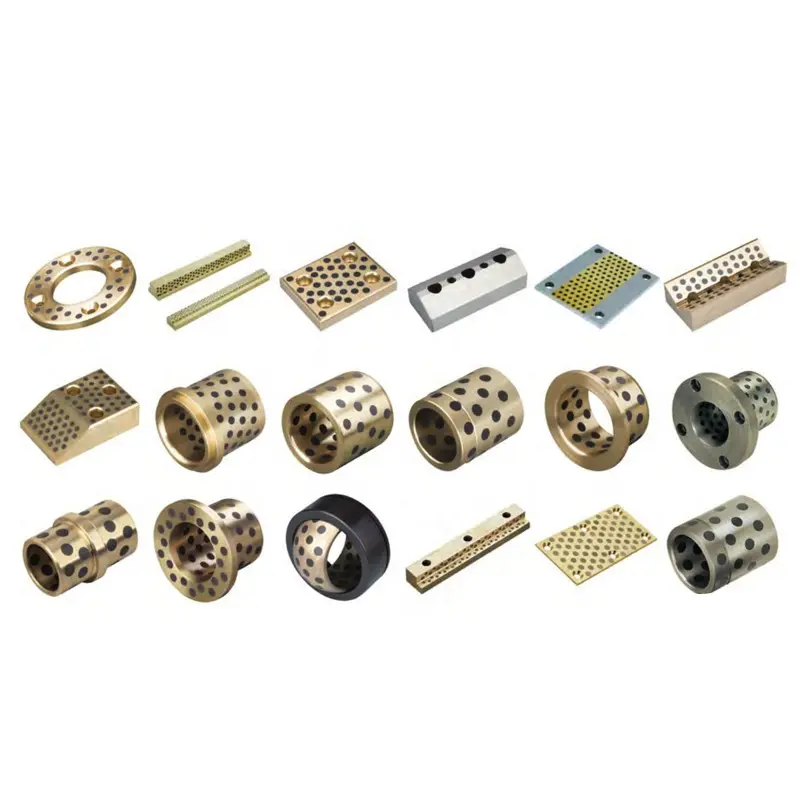 自润滑材料
自润滑材料
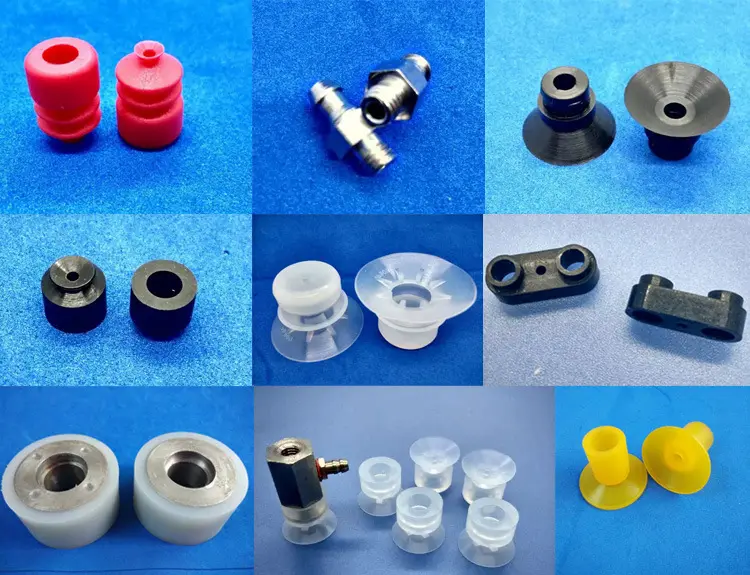 密封材料
密封材料
 新兴材料
新兴材料
 加工设备
加工设备
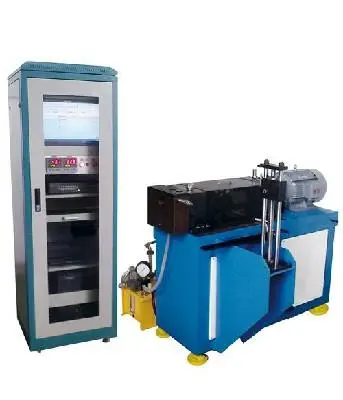 摩擦试验机
摩擦试验机
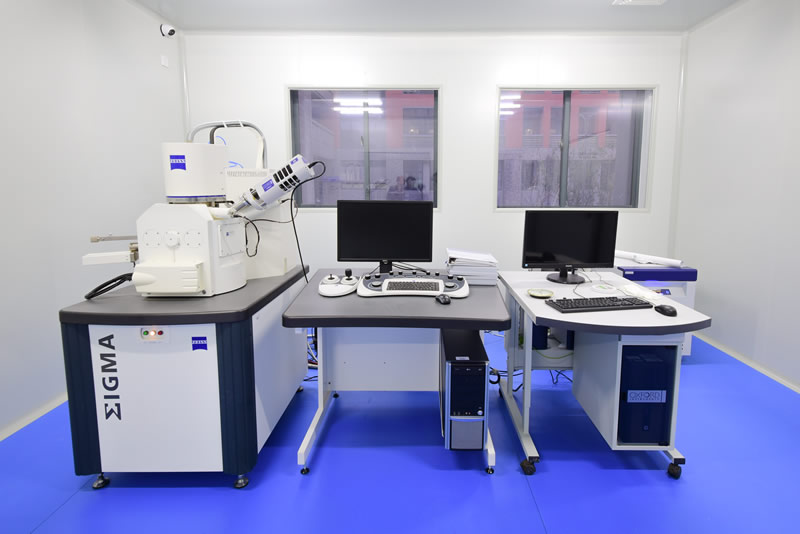 大型表征仪器
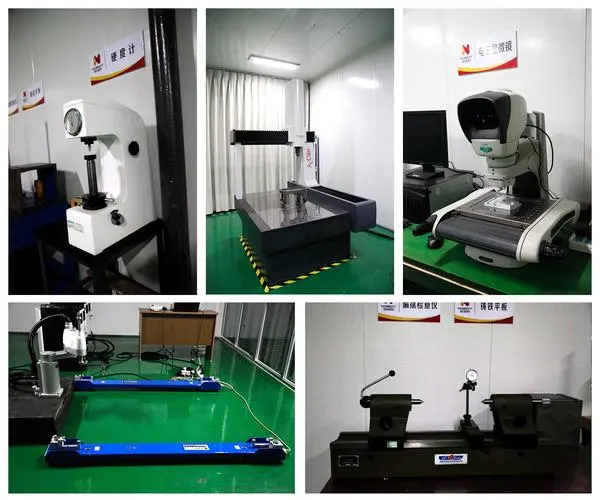 小型测试设备