Near-infrared (NIR) mechanoluminescence (ML) offers a self-powered and non-invasive route for stress visualization and biomechanical imaging, yet most NIR ML materials remain constrained by narrow emission bandwidths and reliance on dark-field conditions. Here, we report two complementary MgO-based ML systems spanning the NIR-I and NIR-II windows, establishing MgO as a robust platform for broadband mechanoresponsive emission. MgO:Cr3+ delivers tunable NIR-I ML (700–1000 nm; full width at half maximum, FWHM, 94–188 nm) under diverse mechanical stimuli, including friction, impact, tension, compression, bending, and twisting, while MgO:Ni2+ produces ultrabroadband NIR-II ML (1000–1700 nm; FWHM 225 nm) readily detectable under ambient lighting. Mechanistic studies reveal that ML arises from the synergistic interplay of local piezoelectric polarization, dislocation-mediated charge separation, and triboelectric effects at organic–inorganic interfaces, whereas the observed spectral variations stem from crystal-field modulation and lattice distortions. Co-doping of Cr3+ and Ni2+ further differentiates optical and mechanical excitation pathways—optical excitation induces Cr3+-sensitized Ni2+ emission, whereas mechanical excitation directly activates their low-lying levels. These insights unify mechano-to-photon conversion in centrosymmetric oxides and provide design principles for broadband, durable, and environmentally adaptive ML materials, advancing applications in multimodal sensing, structural health monitoring, and noninvasive biomechanical imaging.
周老师: 13321314106
王老师: 17793132604


邮箱号码: lub@licp.cas.cn





 润滑剂
润滑剂
 润滑油添加剂
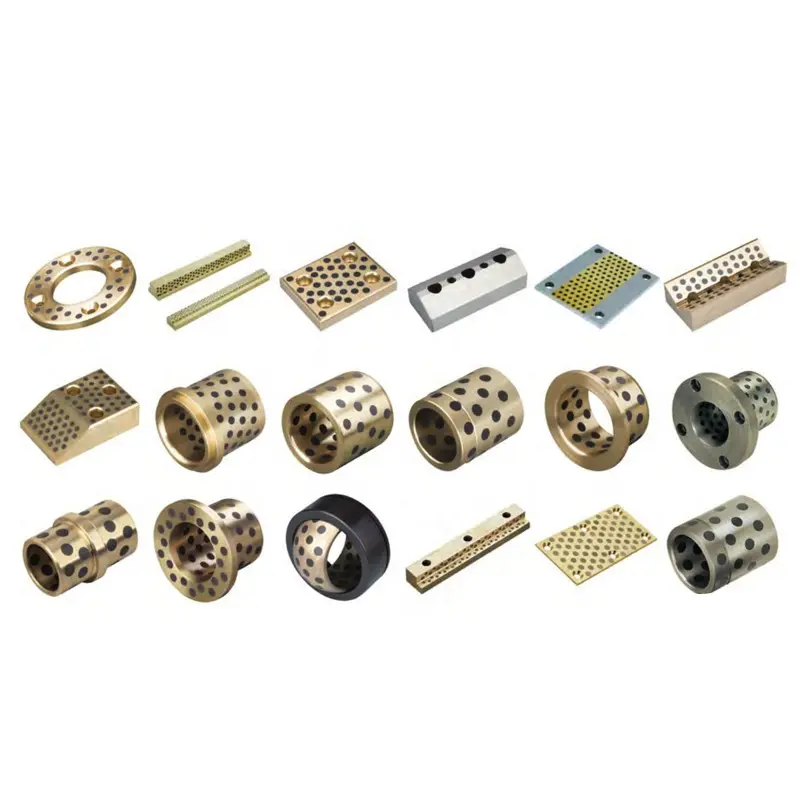 自润滑材料
自润滑材料
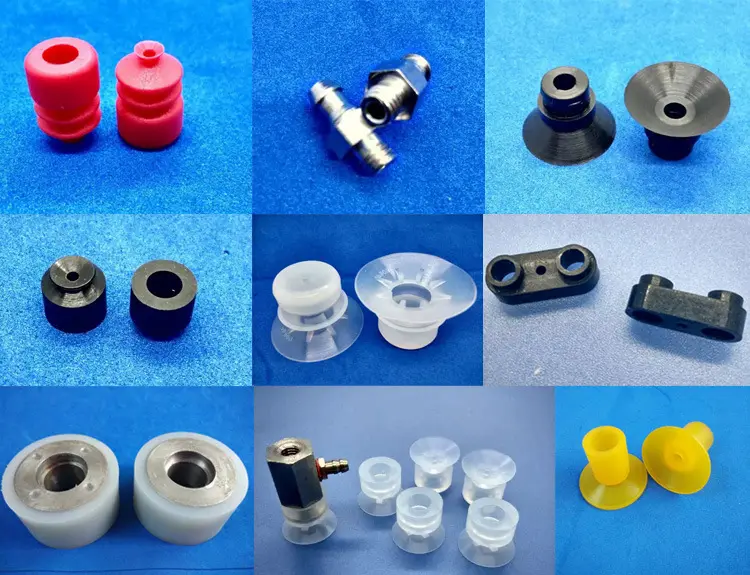 密封材料
密封材料
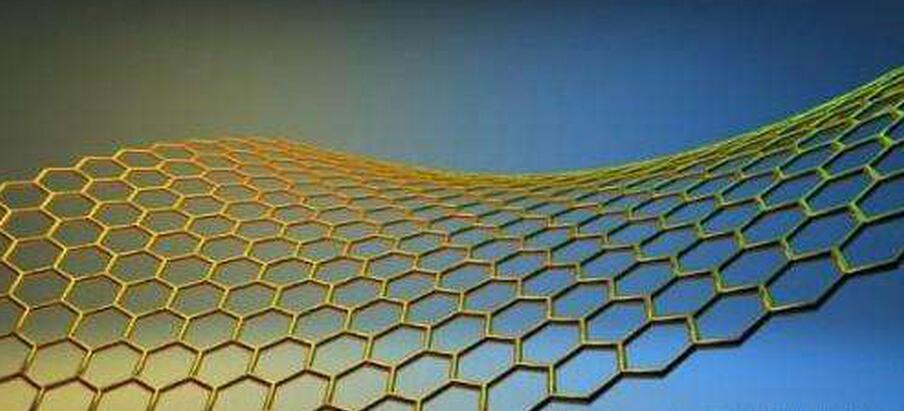 新兴材料
新兴材料
 加工设备
加工设备
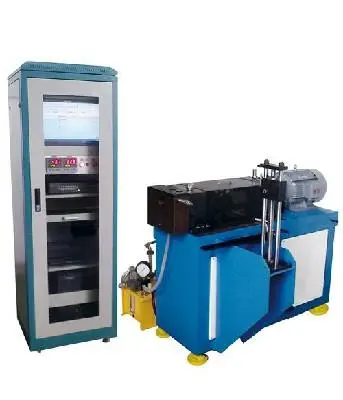 摩擦试验机
摩擦试验机
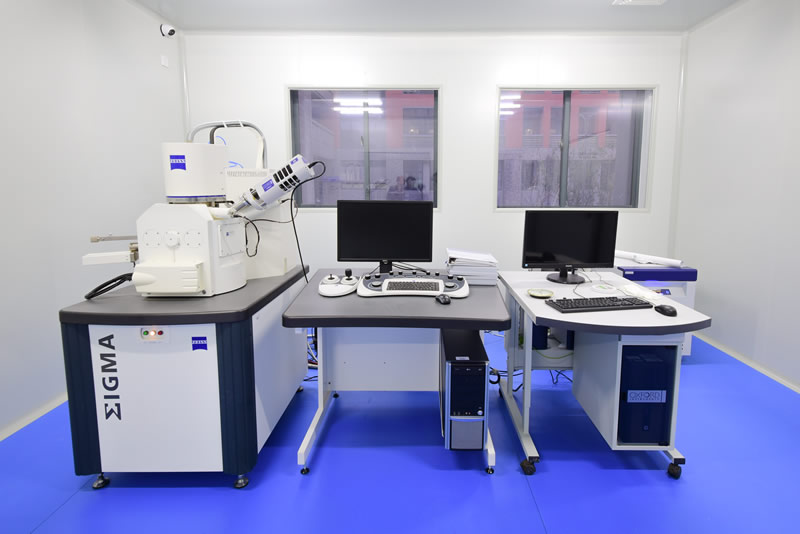 大型表征仪器
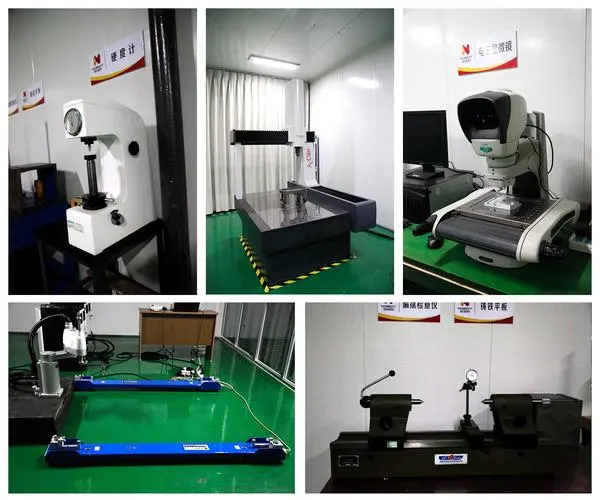 小型测试设备