Ultrahigh-temperature ceramics (UHTCs) commonly act as non-ablative coatings for advanced thermal structural materials exceeding 2000°C, while balancing their thermal-resistant and oxygen-barrier performance has been a long-standing dilemma in extreme thermal protection. Herein, we designed a novel dual-layer UHTC coating that addressed this dilemma through in situ self-assembled “brick-and-mortar” oxide scales during ablation. The outer layer ((Hf6/19Zr12/19Ti1/19)C-La2O3) leveraged the plastic deformation toughening strategy to mitigate thermal shock-induced strain, facilitated by twin and anti-phase boundary within Ti-doped m-(Hf, Zr)O2 oxide skeleton (“thermal-resistant brick”). The inner layer ((Hf2/7Zr4/7Ti1/7)C-La2O3) not only retained a brick-like structure, but also contained a higher Ti content, which facilitated the formation of low-melting liquid phases (Hf, Zr)TiO4 and La5Ti5O17. These phases enhanced the oxide scales’ densification and blocked the oxygen transport through ablative defects into C/C substrates (biomimetic self-healing strategy), thus acting as the “oxygen-barrier mortar”. Additionally, the “mortar” bound and sealed the fractured “brick”, and the “brick” pinned the “mortar”, improving the oxide scales’ thermal-resistant and oxygen-barrier performance. Thereby, the in situ self-assembled “brick-and-mortar” oxide scales achieved the exceptional thermal shock resistance after nine 120-s ablation cycles (totaling 1080 s), exhibiting net-zero ablation recession with the 0.02 mg/s and 0.07 µm/s under the maximum temperature beyond 2200°C, which surpassed the few-hundred-second durability limit for current non-ablative UHTC coatings. The bioinspired design concept provided significant inspiration for advanced ultrahigh-temperature materials with excellent thermal shock resistance in extreme thermal environments.
周老师: 13321314106
王老师: 17793132604


邮箱号码: lub@licp.cas.cn





 润滑剂
润滑剂
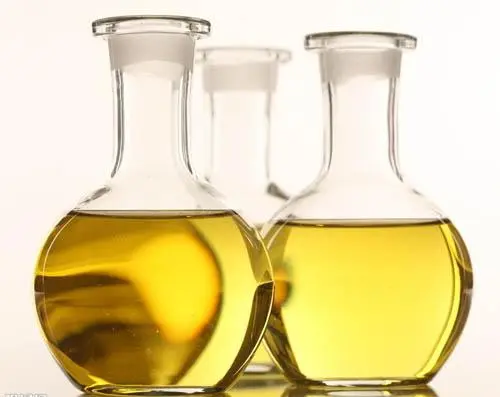 润滑油添加剂
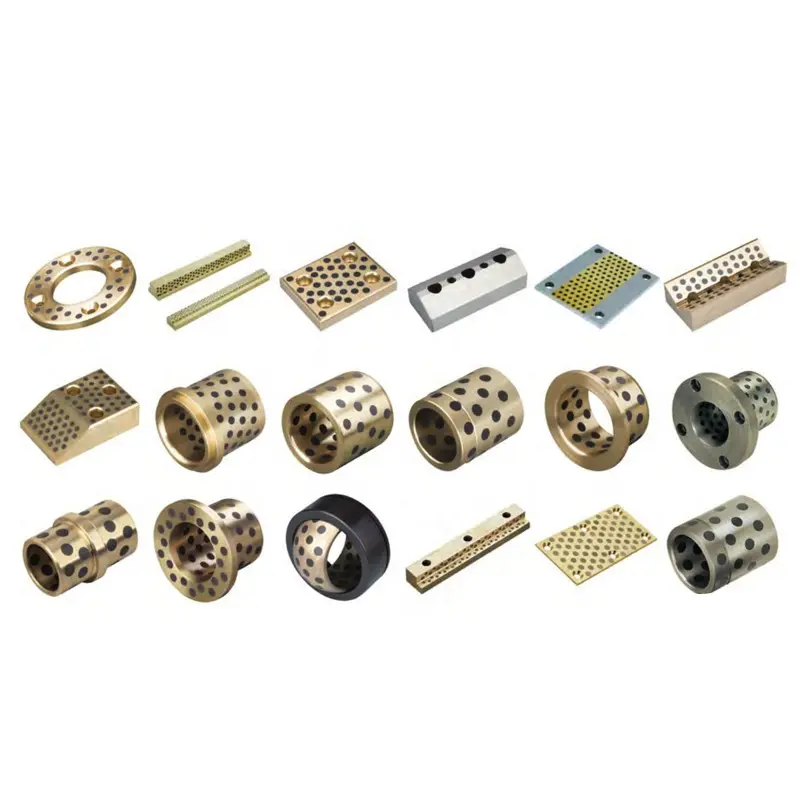 自润滑材料
自润滑材料
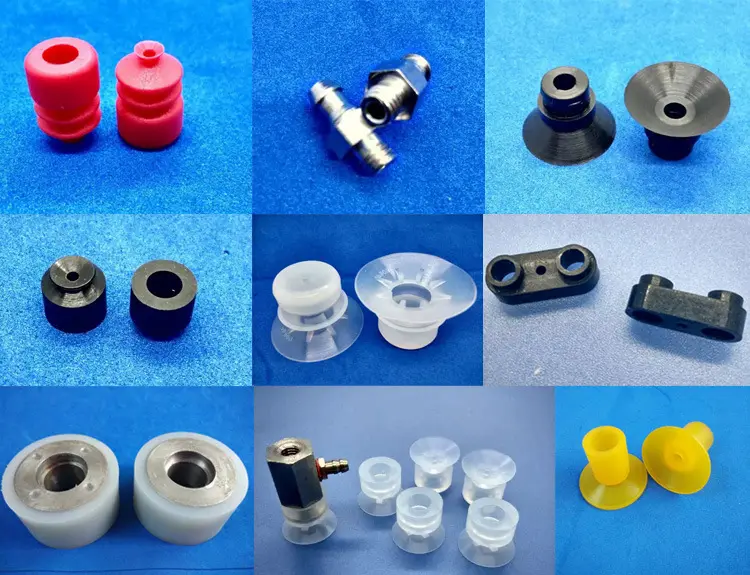 密封材料
密封材料
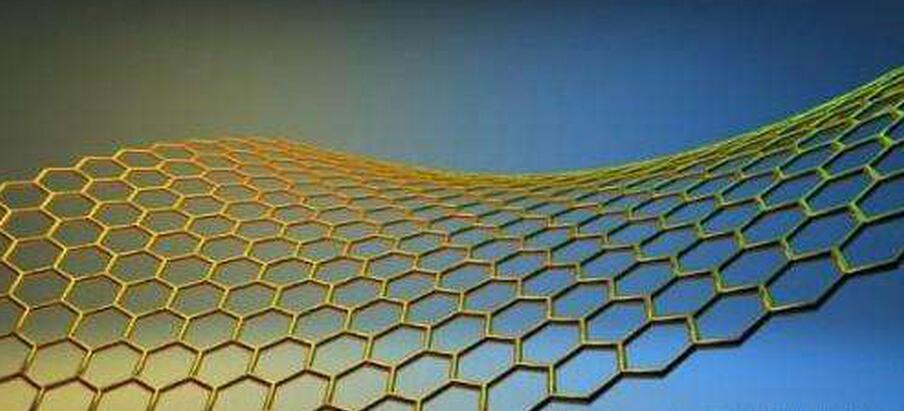 新兴材料
新兴材料
 加工设备
加工设备
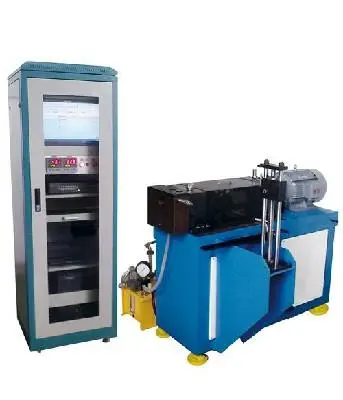 摩擦试验机
摩擦试验机
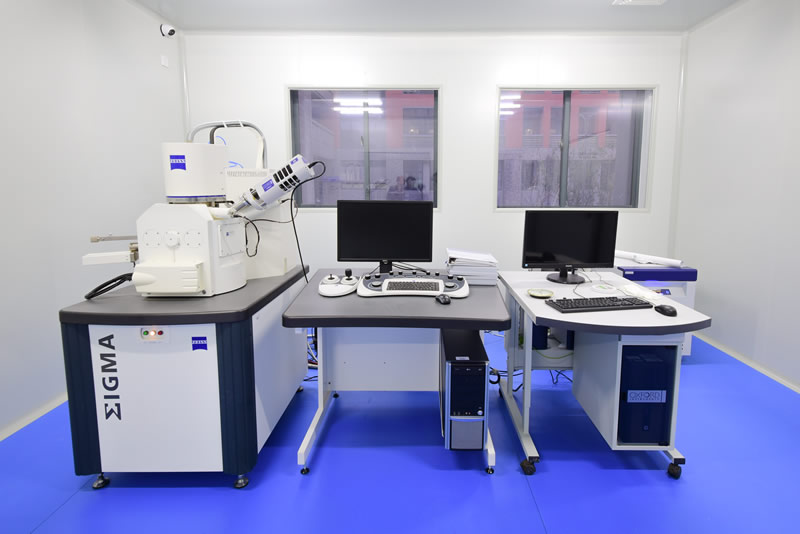 大型表征仪器
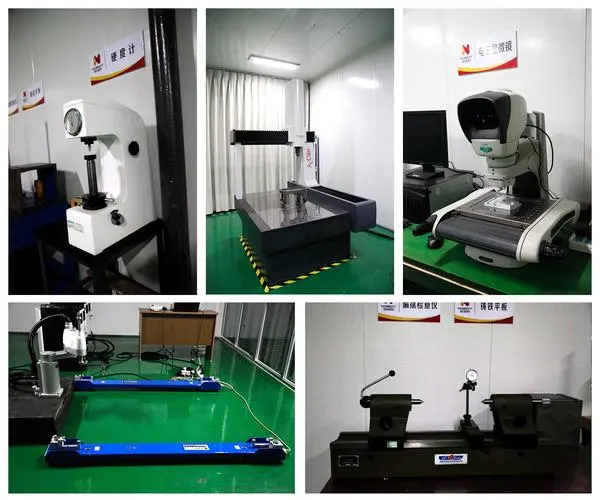 小型测试设备