Sliding wear tests were conducted on carburized G13Cr4Mo4Ni4V steel under grease-lubricated condition at varying loads and temperatures using an SRV-4 tribometer. The results indicate that the wear mechanism transitions from pitting abrasive wear or adhesive wear to oxidative wear and severe abrasive wear as the load and temperature increase to 180 N and 315 °C. Wear behavior is closely associated with matrix softening, carbide characteristics and tribolayer formation. The fracture of aggregated carbides leads to adhesive peeling of the matrix. While, dislodged carbides act as abrasives, damaging both the matrix and the tribolayer. Compared to easily fractured long-strip M 2C carbides, the spherical M 2C and MC carbides provide better resistance to adhesive wear by reducing the contact area between friction pairs. The subsurface microstructure exhibits wear influenced layers (Ⅴ) approximately 25-30 μm thick. This wear influenced layer comprises various combinations of the damaged layer (IV), the plastic deformation layer (III), the recrystallized layer (II) and the tribolayer (I), depending on the test conditions. The formation of the tribolayer with a thickness of 1-2 μm is influenced more significantly by temperature (315 °C) than by load (180 N). Furthermore, it contributes to a reduction in the coefficient of friction (COF) and wear rate.
周老师: 13321314106
王老师: 17793132604


邮箱号码: lub@licp.cas.cn





 润滑剂
润滑剂
 润滑油添加剂
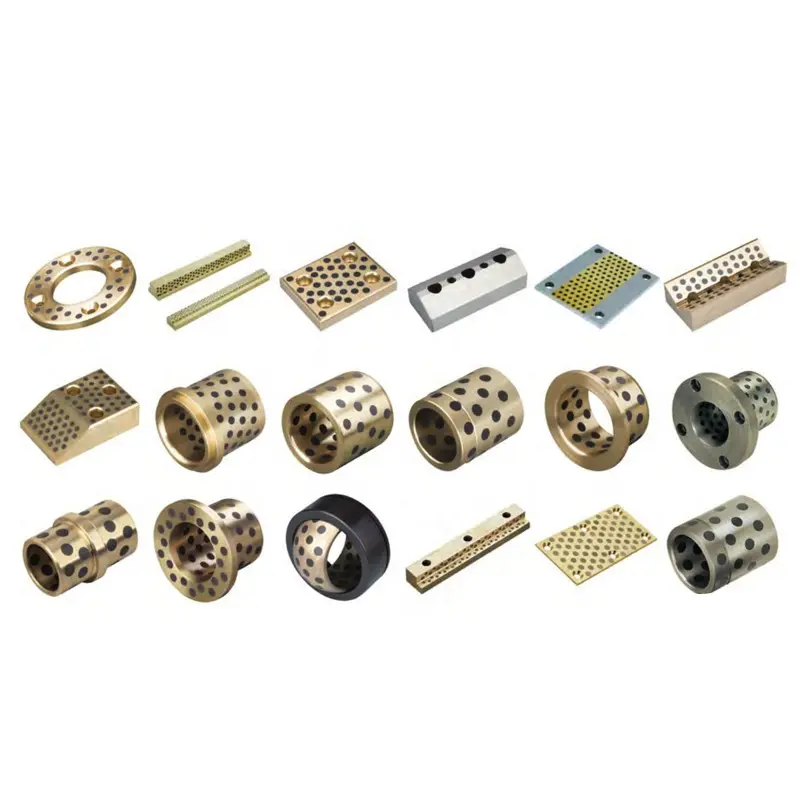 自润滑材料
自润滑材料
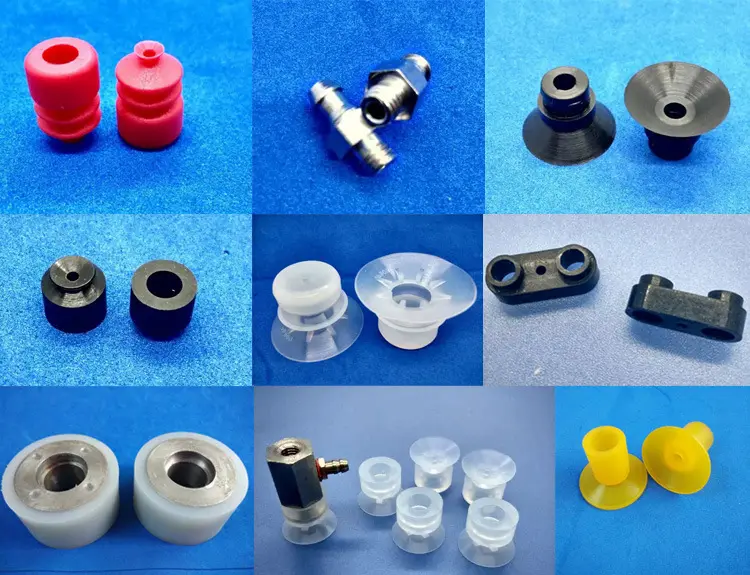 密封材料
密封材料
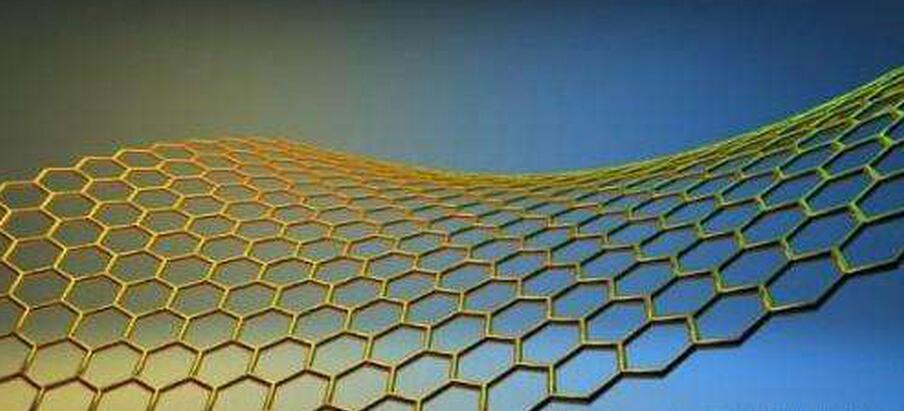 新兴材料
新兴材料
 加工设备
加工设备
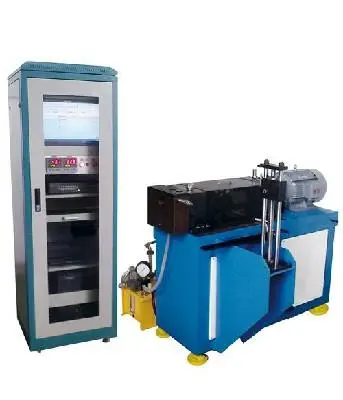 摩擦试验机
摩擦试验机
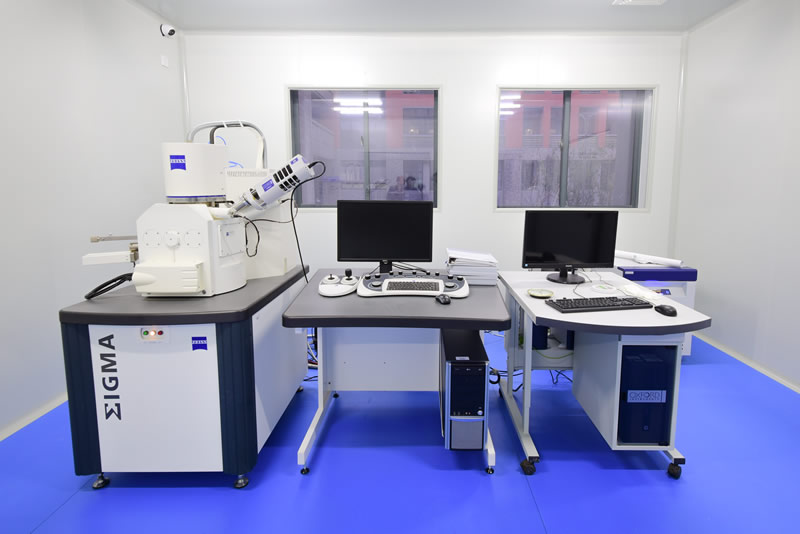 大型表征仪器
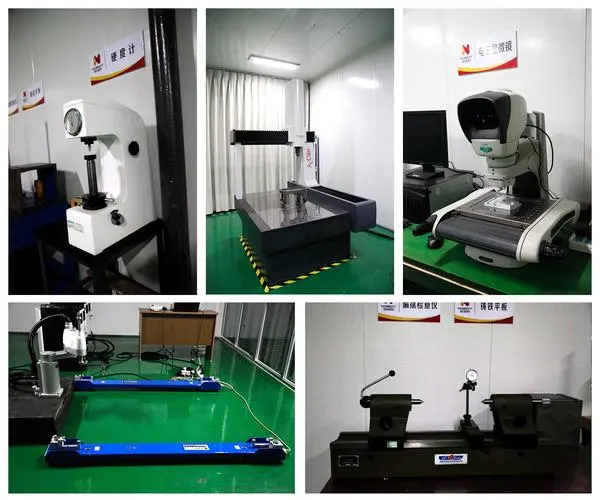 小型测试设备