Owing to the beneficial effects of nitrogen, nitrogen-containing austenitic stainless steels have been rapidly developed and are widely used in environments with a high risk of wear. In this study, the effects of nitrogen content (0.09–1.21 wt%) on the wear behaviors of CrNiN and CrMnN austenitic stainless steels were investigated by three-dimensional characterization, scanning electron microscopy, and energy-dispersive X-ray spectroscopy. Cracks and oxides were further characterized by employing focused ion beam milling and transmission electron microscopy. The increase in nitrogen content was found to shorten the running-in period of CrNiN and CrMnN steels. For CrNiN steels, the running-in period decreases from ~700 to ~400 cycles as the nitrogen content increases from 0.09 to 0.34 wt%. The quantitative relationships between nitrogen content and specific wear rate were obtained. For both types of steels, oxidation dominates the wear behavior. Cracking, delamination, spalling, and debris refinement occur in the oxide layer. The oxide layers are approximately 1–4 µm thick, and the wear depth per cycle is less than 9 nm, indicating that mainly the oxide layer is worn. The higher the nitrogen content of CrNiN steels, the more complete the oxidation of the oxide layer. However, for CrMnN steels, the oxidation degree is not significantly related to the nitrogen content. Oxidation is a nonuniform process during wear and oxygen diffuse along deformation bands. The nitrogen content affects the uniformity and depth of the oxide layer by changing the deformed microstructure, thus altering the wear rate of the austenitic stainless steels.
周老师: 13321314106
王老师: 17793132604


邮箱号码: lub@licp.cas.cn





 润滑剂
润滑剂
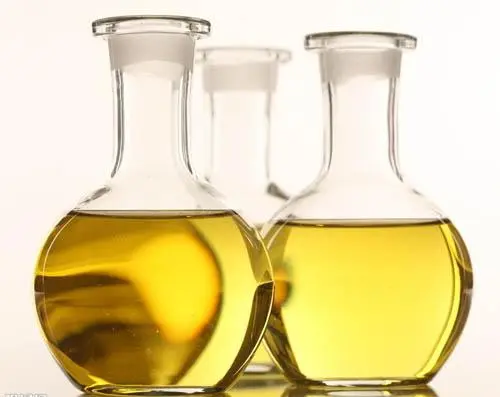 润滑油添加剂
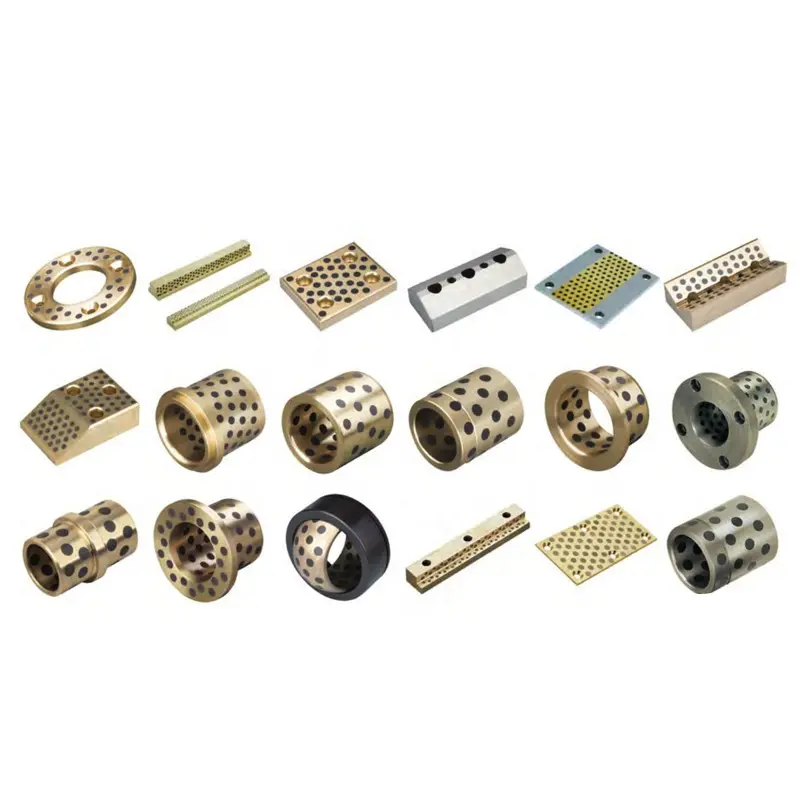 自润滑材料
自润滑材料
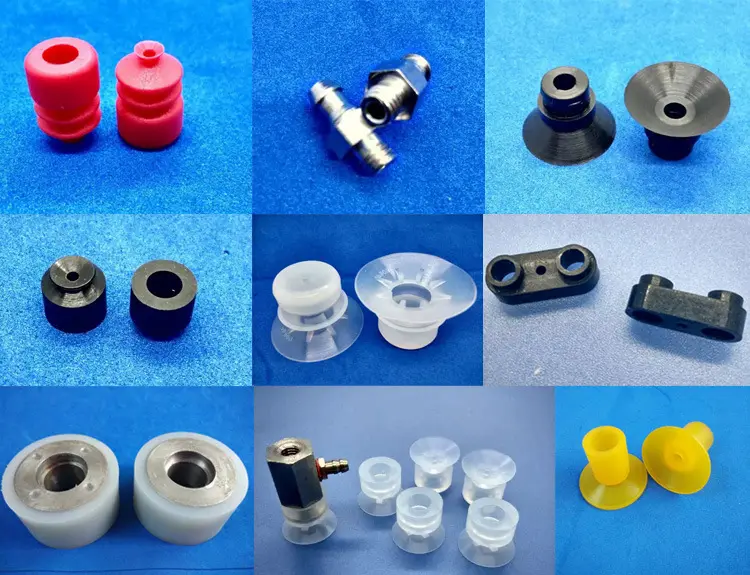 密封材料
密封材料
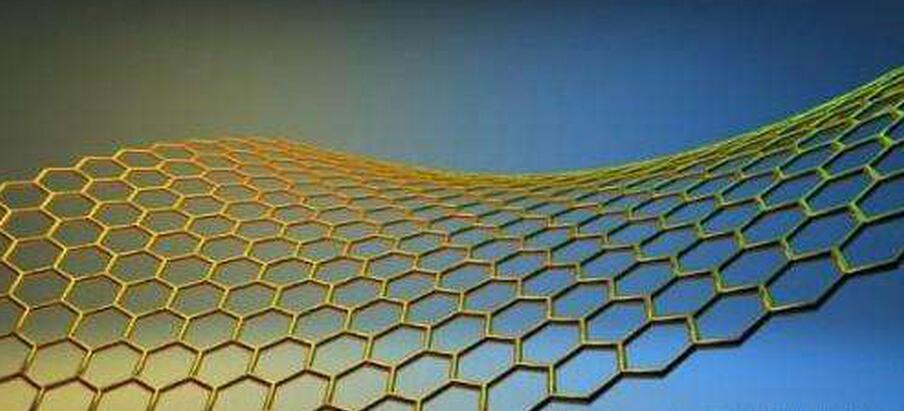 新兴材料
新兴材料
 加工设备
加工设备
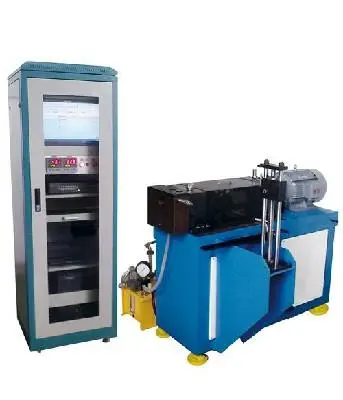 摩擦试验机
摩擦试验机
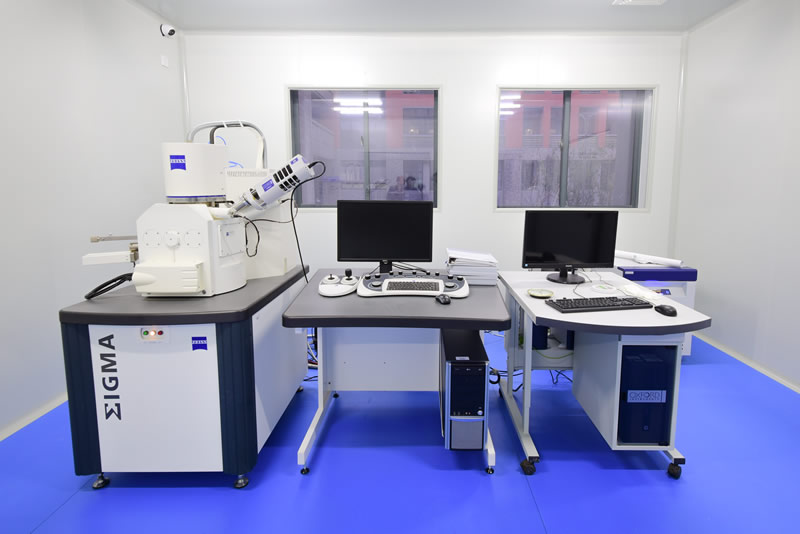 大型表征仪器
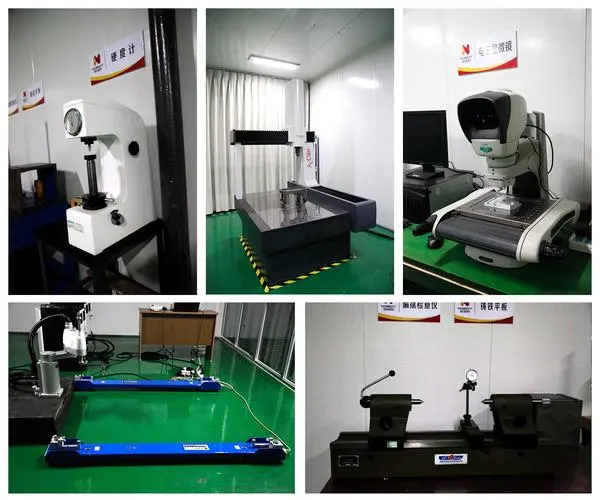 小型测试设备