The grinding process is the core process of high-precision gear machining. Enhancing the Abbott-Firestone curve’s bearing capacity under the constraint of expected surface roughness Sa is a key challenge for improving gear tooth wear resistance, which has not been reported in the literature. It develops a hybrid surrogate model integrating data-driven and mathematical modeling approaches, which includes explicitly: (1) proposing a regularized ensemble learning model based on improved NSGA-III to accurately establish the surrogate relationship between grinding process parameters and rough surface height distribution parameters; (2) employing the Johnson transformation mathematical model to effectively convert the ensemble model predictions into optimized surface height features, thereby mitigating the correlation effects among rough surface characterization parameters. Based on this hybrid surrogate model, a multi-objective optimization framework for grinding parameters is established to enhance the Abbott-Firestone curve bearing ratio under expected Sa constraints. Experimental data of surface grinding for 9310 gear steel verified that the proposed computational model for optimizing the grinding process parameters to enhance the bearing capacity of the Abbott-Firestone curve is feasible and effective. The measured data show that under the constraint of expected surface roughness Sa, the average surface bearing ratio of the Abbott-Firestone curve is increased by 2.71 ∼ 33.53%, and the material removal rate of the grinding wheel is increased by 50.00 ∼ 332.01%. The work theoretically breaks through the strong correlation constraints between Sa and Abbott-Firestone curve, and the engineering application provides a quantifiable and interpretable intelligent optimization method for enhancing the wear resistance of grinding surfaces.
周老师: 13321314106
王老师: 17793132604


邮箱号码: lub@licp.cas.cn





 润滑剂
润滑剂
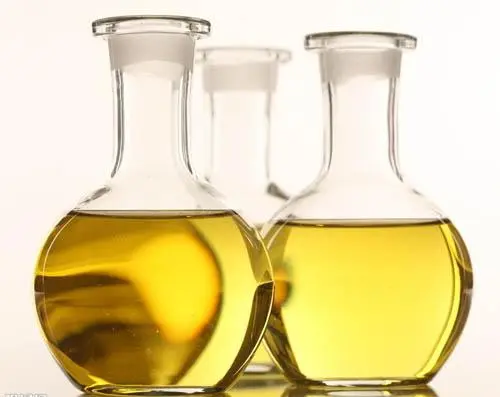 润滑油添加剂
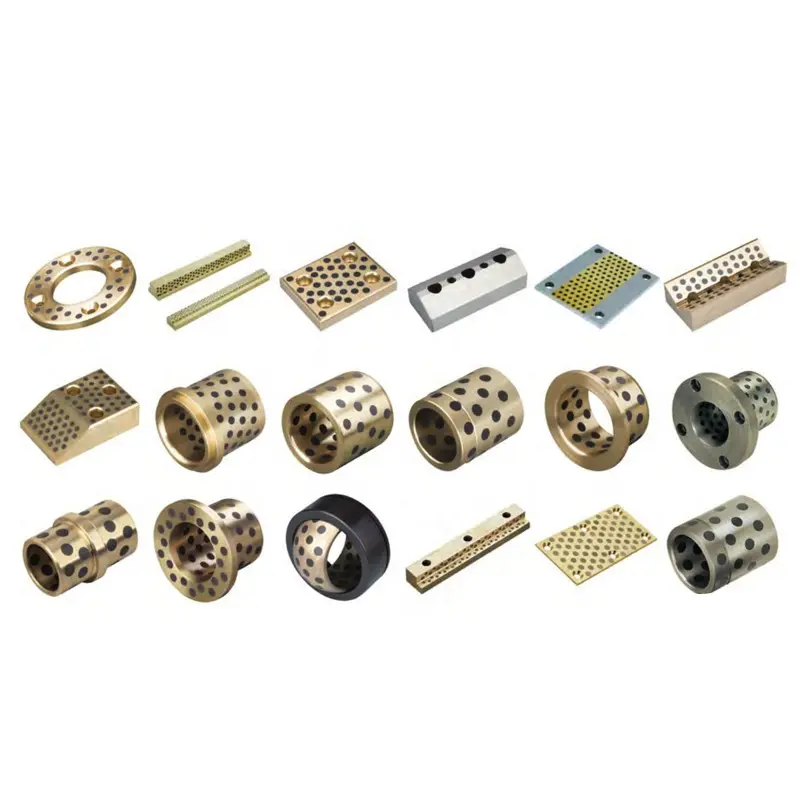 自润滑材料
自润滑材料
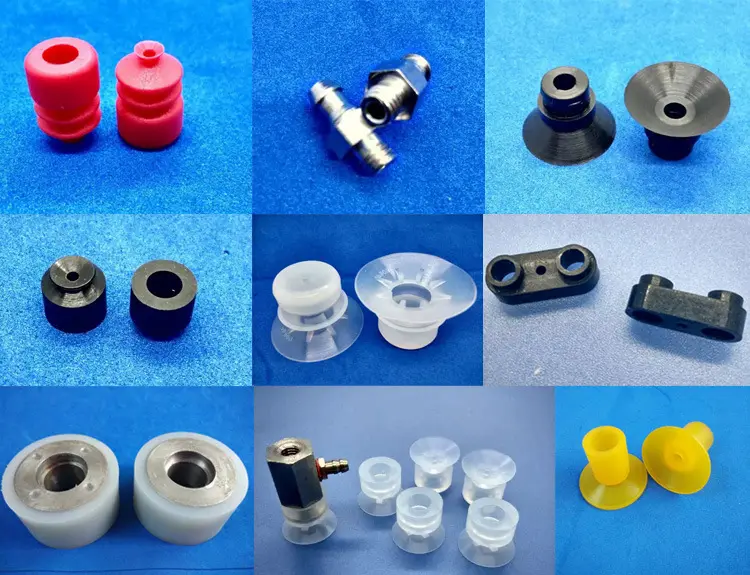 密封材料
密封材料
 新兴材料
新兴材料
 加工设备
加工设备
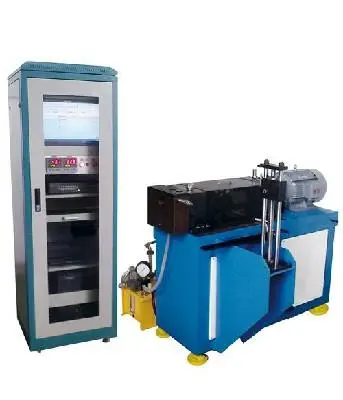 摩擦试验机
摩擦试验机
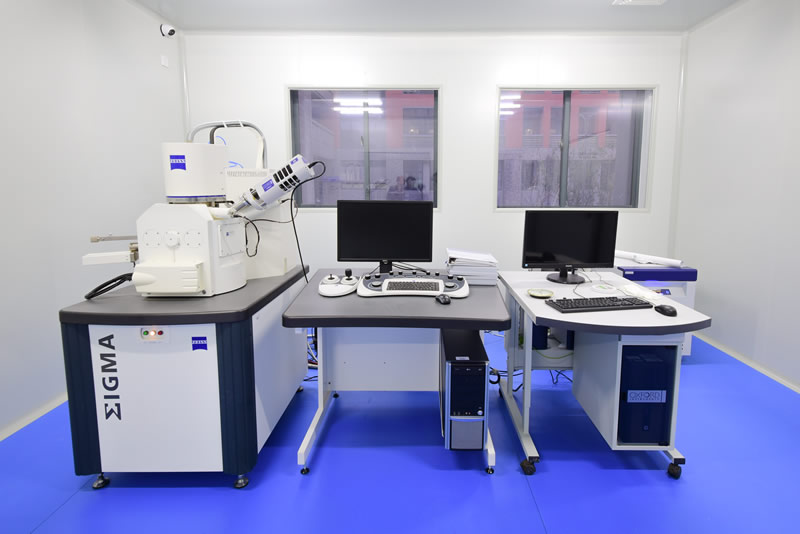 大型表征仪器
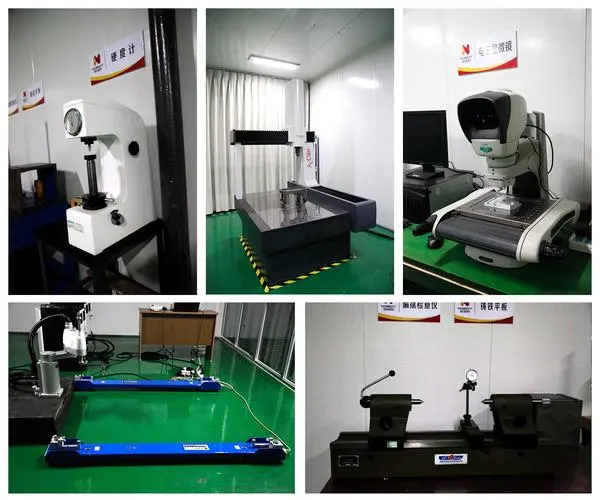 小型测试设备