Ni–SiC metal–ceramic composite coatings were deposited onto AISI 1045 steel substrates via cold spraying, and the effects of SiC volume fraction on the coating’s microstructure, mechanical properties, and tribological performance were systematically investigated. The coating exhibited a “hard skeletal phase + soft matrix” architecture, and the dispersion strengthening imparted by the SiC particles increased hardness from 309 HV to 339 HV, with a peak bond strength of 23.7 MPa. Under lubricated conditions and loads of 50–200 N, the friction coefficient remained stable between 0.026 and 0.064. Coatings with higher SiC content exhibited significantly reduced wear due to decreased contact pressure, in situ self-polishing behavior, and the formation of microscale oil reservoirs. SEM, EDS, and finite element simulations revealed that when the SiC embedding depth exceeded 0.5 d, a uniform stress field was generated, preventing interfacial debonding and thereby extending service life. These findings offer a theoretical foundation for the design and engineering application of cold-sprayed wear-resistant coatings.
周老师: 13321314106
王老师: 17793132604


邮箱号码: lub@licp.cas.cn





 润滑剂
润滑剂
 润滑油添加剂
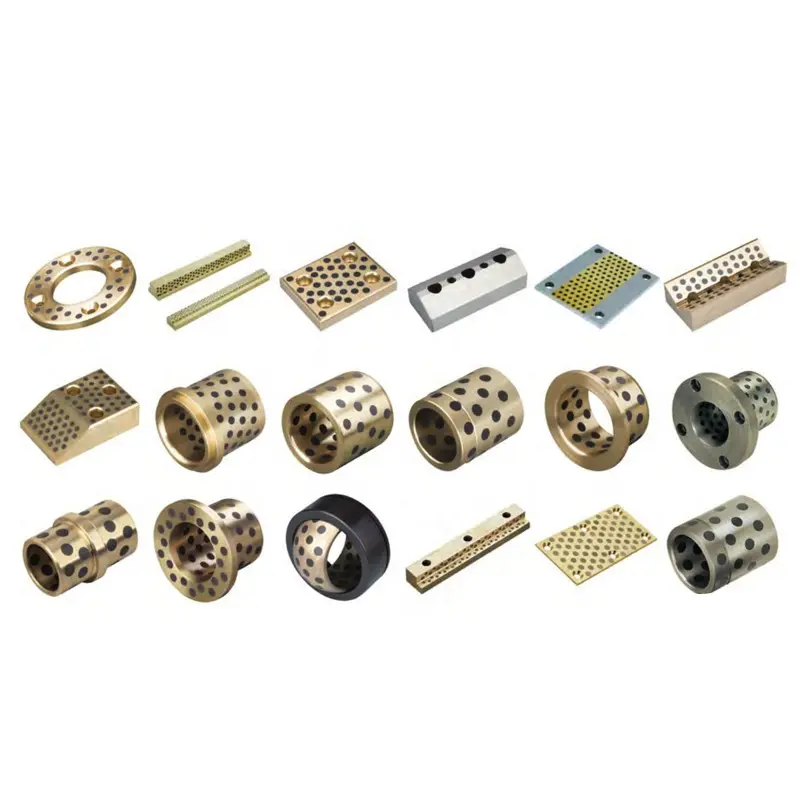 自润滑材料
自润滑材料
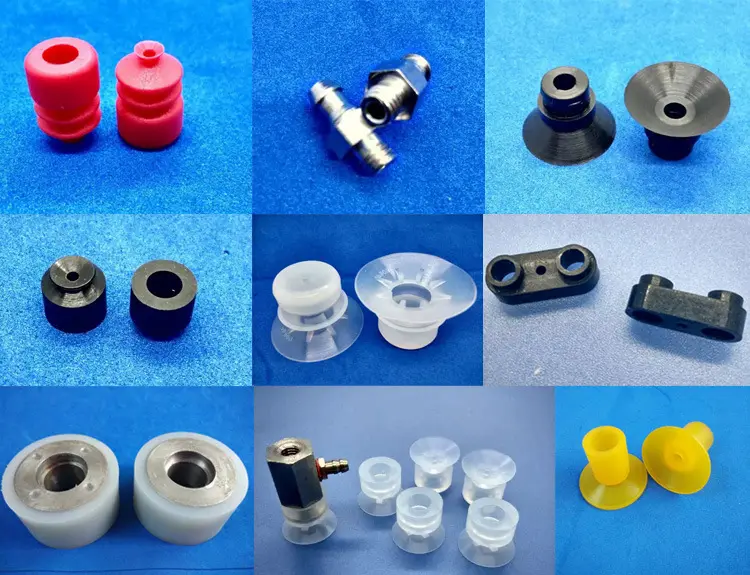 密封材料
密封材料
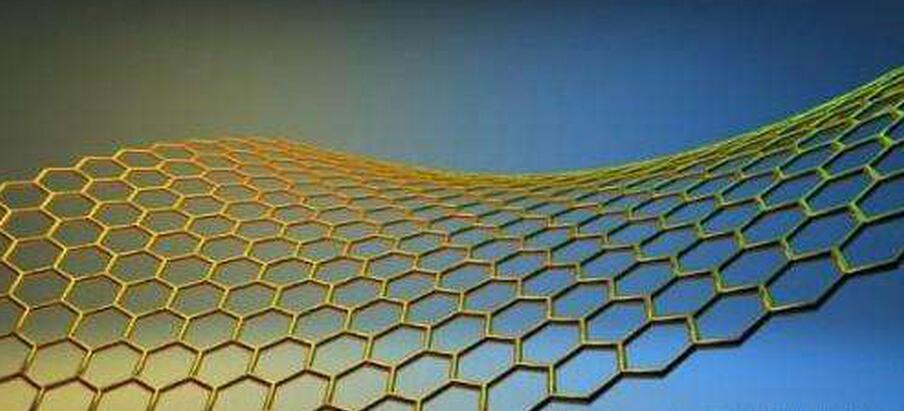 新兴材料
新兴材料
 加工设备
加工设备
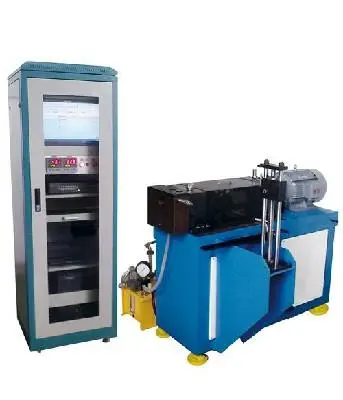 摩擦试验机
摩擦试验机
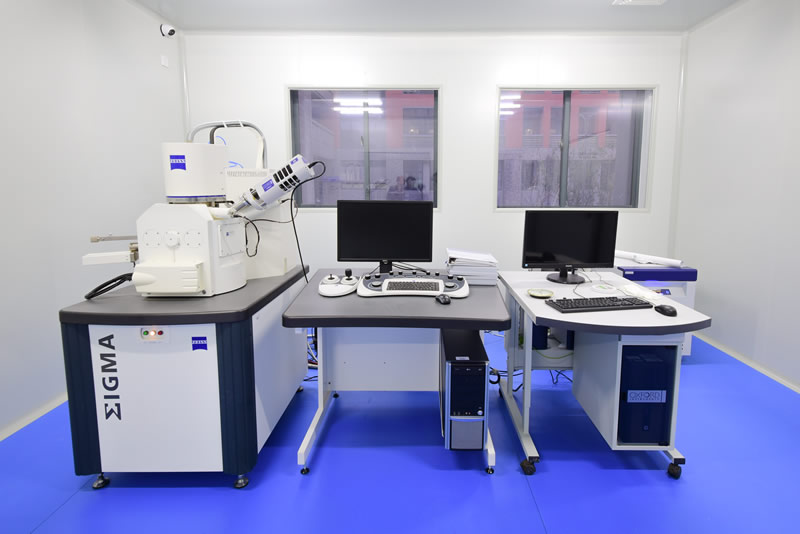 大型表征仪器
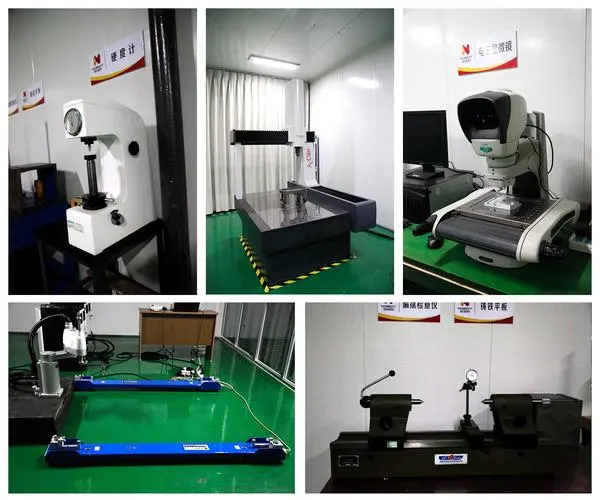 小型测试设备