Al 2O 3 coatings were fabricated on 2024 aluminum alloy thin sheets via constant and step potential anodization to enhance surface performance. In the step potential mode, the voltage was sequentially increased from 14 V to 22, 26, 30, and 34 V, with each intermediate step maintained for 10 minutes. The final potential step was extended to ensure a total anodizing time of 60 minutes. A series of fixed potentials (22, 26, 30, and 34 V) was also applied under constant potential for comparison. The coatings were comprehensively characterized in terms of microstructure, hardness, electrochemical response, tribological behavior, and tensile properties. Under constant potential, coatings exhibited microcracking and a maximum barrier layer thickness of 35.85 nm at 30 V, corresponding to a hardness of 295 HV. In contrast, the coating formed at 30 V under step potential showed a denser structure, with a barrier layer thickness of 38.79 nm and a hardness of 325 HV. Among all conditions, the step potential coating at 30 V demonstrated the best corrosion resistance, with a corrosion potential ( E corr) of −0.641 V, a corrosion current density ( I corr) of 1.219 μA·cm⁻ 2, and a wear volume of 0.089 mm³. Tensile testing revealed that Al 2O 3 coatings reduced the substrate’s tensile strength and elongation, with smaller reductions under step potential. Specifically, at 30 V, tensile strength decreased by 46.9 MPa and elongation by 0.06%. These results demonstrate that step potential anodization at 30 V yields a denser Al 2O 3 coating with enhanced corrosion and wear resistance, while better preserving the mechanical properties compared to constant potential.
周老师: 13321314106
王老师: 17793132604


邮箱号码: lub@licp.cas.cn





 润滑剂
润滑剂
 润滑油添加剂
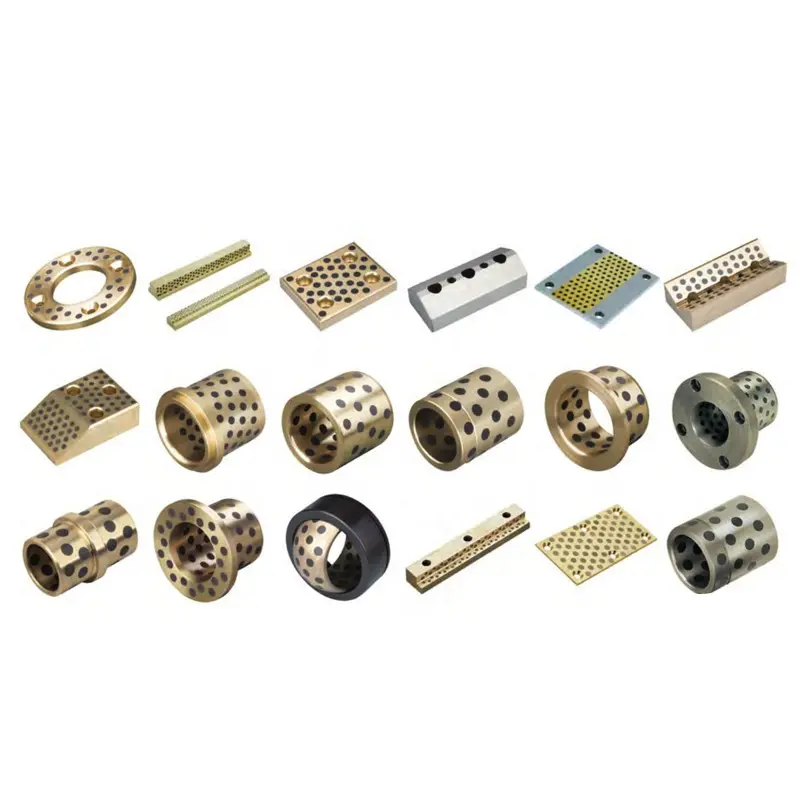 自润滑材料
自润滑材料
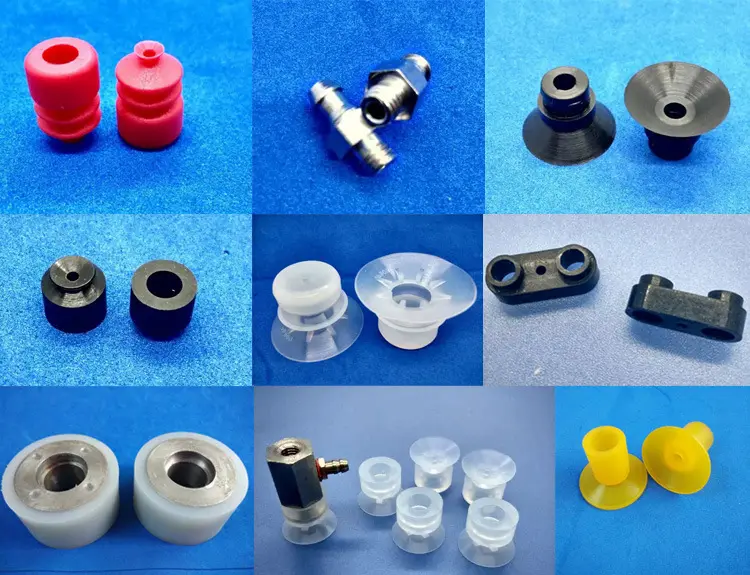 密封材料
密封材料
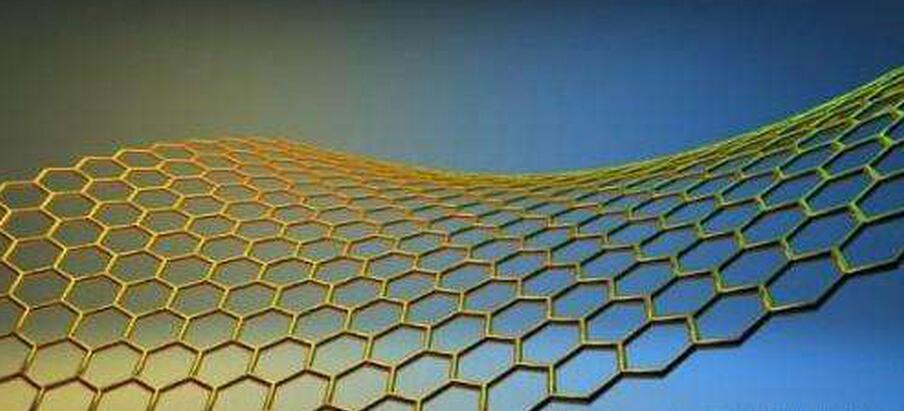 新兴材料
新兴材料
 加工设备
加工设备
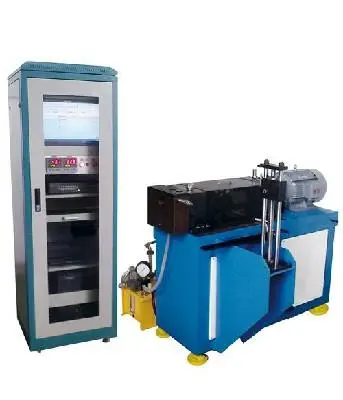 摩擦试验机
摩擦试验机
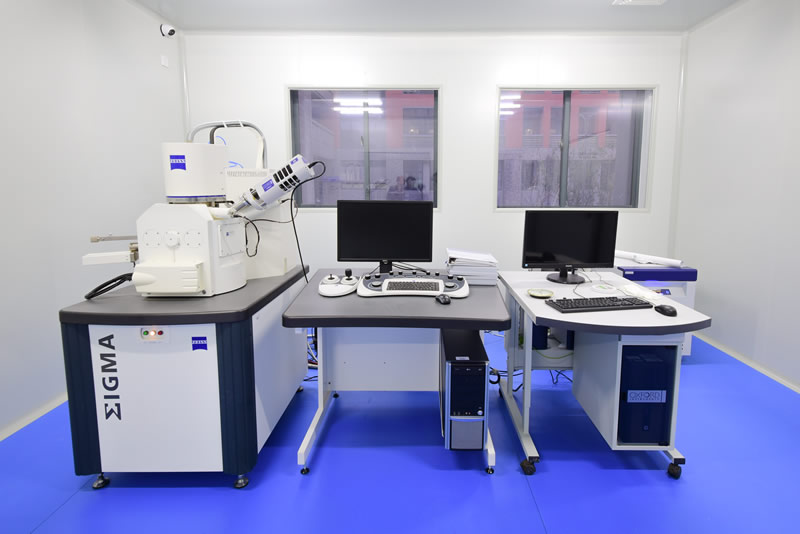 大型表征仪器
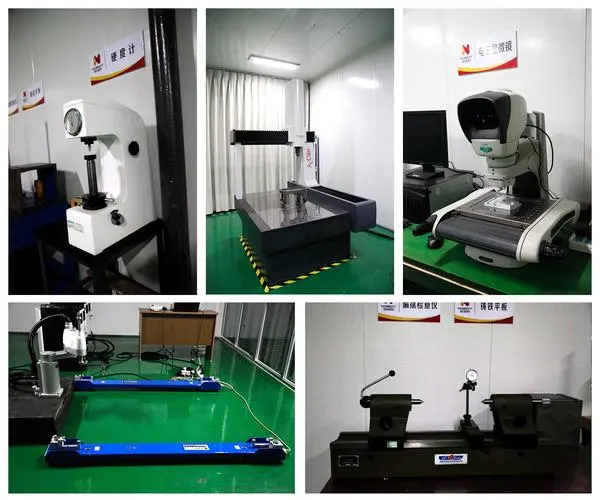 小型测试设备