Ti-B-C nanocomposite coatings with varied carbon content were deposited by dual pulsed magnetron sputtering of TiB 2 and graphite targets at substrate temperatures of ≤70 °C (no heating) and 400 °C. The effects of carbon content and substrate temperature on the coatings' microstructure, phase composition, mechanical properties, and tribological performance were systematically examined. X-ray diffraction revealed that all Ti-B-C coatings were X-ray amorphous, while transmission electron microscopy identified nanocrystalline TiB x grains (4–7 nm) embedded in an amorphous matrix at low carbon levels, transitioning to finer grains (2–3 nm) and increased structural disorder with higher carbon incorporation. Energy-dispersive spectroscopy confirmed a monotonic increase in carbon content with rising graphite target power. Surface morphology evolved from smooth and dense to increasingly textured with elevated carbon content and substrate heating, reflecting enhanced atomic mobility. Nanoindentation measurements showed a reduction in hardness with increasing carbon content. Although higher carbon levels in Ti-B-C coatings tend to lower the coefficient of friction, they can concurrently result in elevated wear rates. Wear track and counterbody analyses confirm that higher carbon content also suppresses adhesive transfer and mitigates counterbody wear. These findings demonstrate the capability of dual pulsed magnetron sputtering to tailor Ti-B-C coatings with optimized mechanical and tribological properties for advanced engineering applications.
周老师: 13321314106
王老师: 17793132604


邮箱号码: lub@licp.cas.cn





 润滑剂
润滑剂
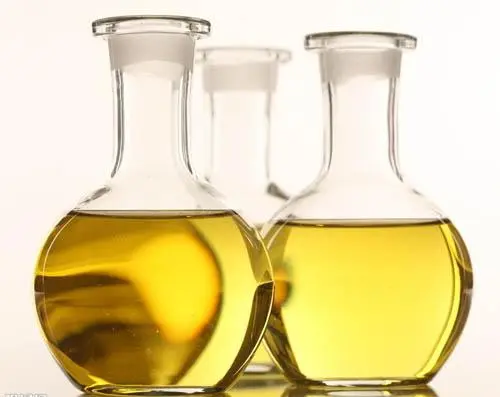 润滑油添加剂
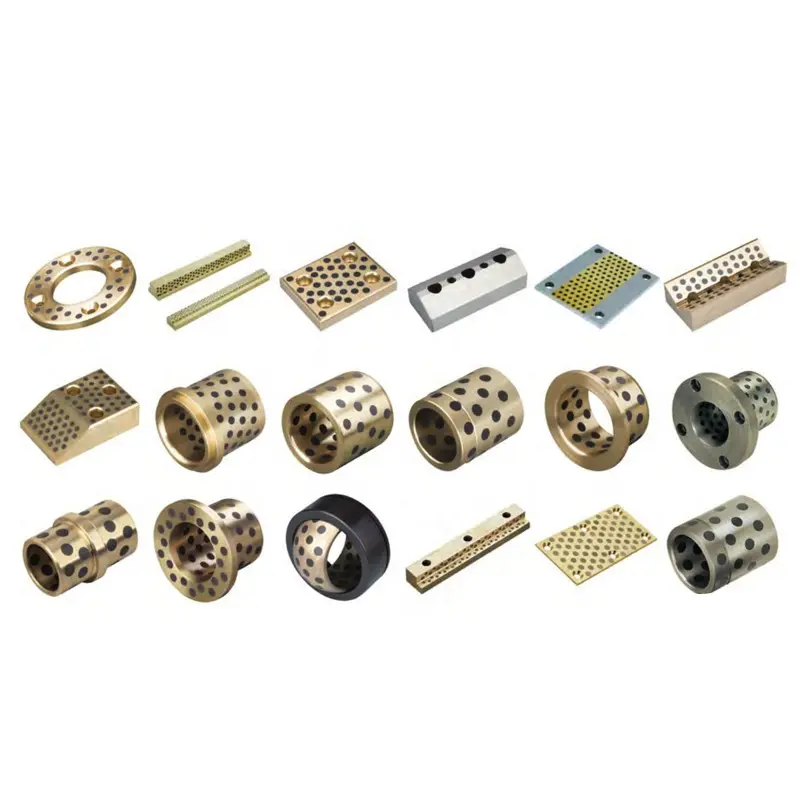 自润滑材料
自润滑材料
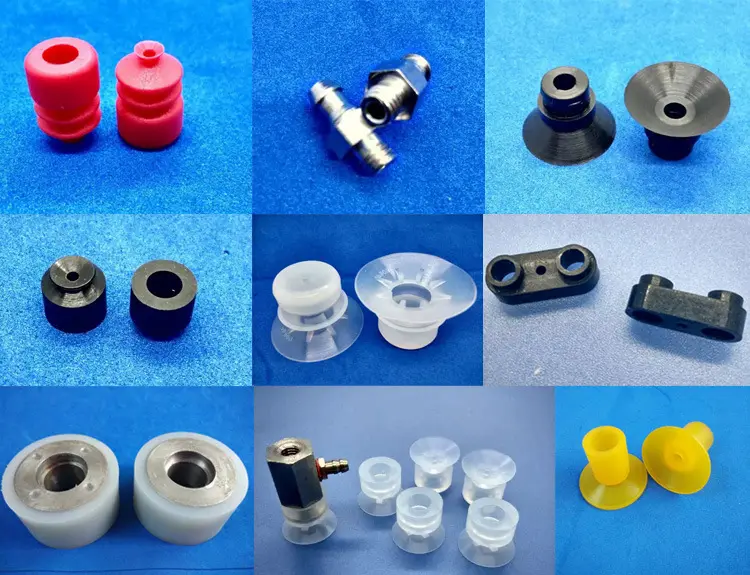 密封材料
密封材料
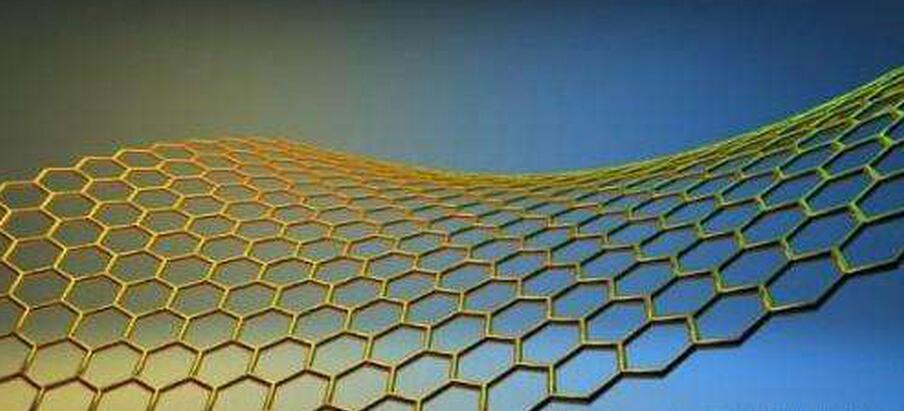 新兴材料
新兴材料
 加工设备
加工设备
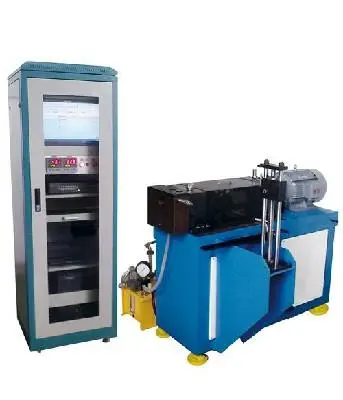 摩擦试验机
摩擦试验机
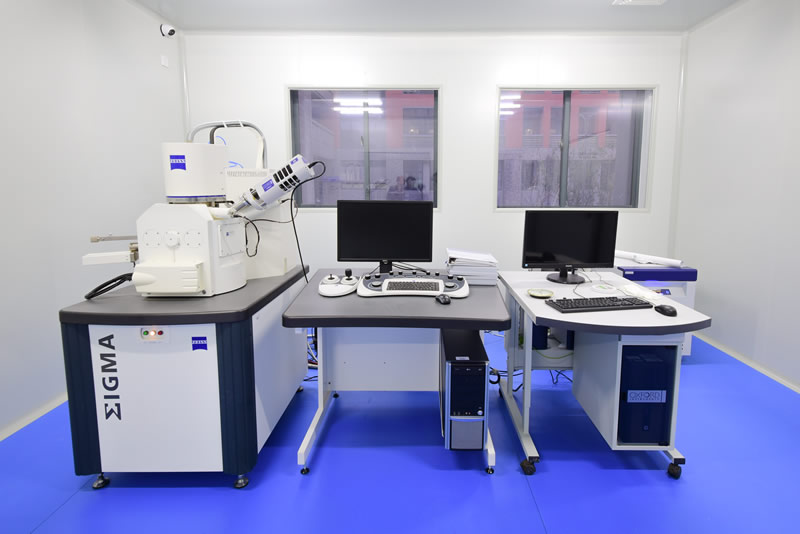 大型表征仪器
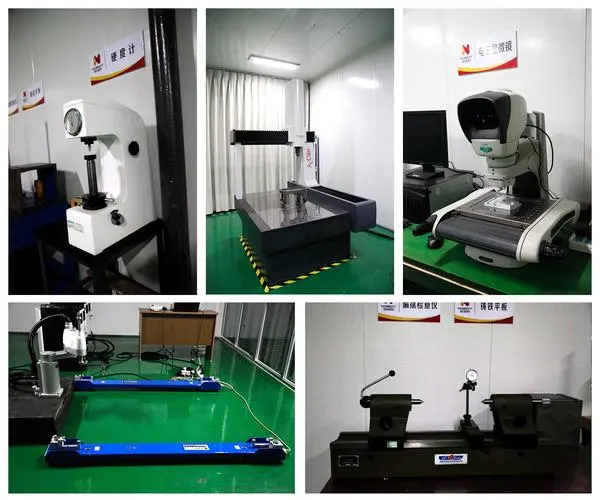 小型测试设备