Polymer dielectrics are indispensable for modern electronics and power systems, yet achieving high energy density together with long-term reliability remains a persistent challenge. Conventional organic polymers frequently degrade under intense electric fields with compromised breakdown strength and cycling stability, highlighting the urgent need for polymers with intrinsic self-healing capabilities. Distinct from well-known dielectric polymers featuring carbon-rich backbones and side groups, which are vulnerable in high-energy operating conditions, polymers containing phosphorus-nitrogen (PN) bonds and a rigid 3D structure in the main chain offer enhanced environmental robustness and stability. Their potential for applications in electrostatic energy storage, however, remains unexplored. Herein, we present poly(hydrazinophosphine diazide) (PHPD-CO), a PN cage-integrated organic–inorganic hybrid polymer readily synthesized by Staudinger polycondensation, as an exceptional dielectric polymer for electrostatic energy storage. PHPD-CO thin films fabricated through simple solution processing achieve a breakdown strength above 700 MV m−1 and a discharge energy density of ∼7.7 J cm−3 at an efficiency of 96%. Unlike carbon-rich dielectrics, decomposition of PHPD-CO during dielectric breakdown produces nonvolatile, inorganic-dominant passivation layers that effectively preserve energy storage performance after self-healing. These features not only endow PHPD-CO-based capacitors with long-term cycling stability with minimal performance degradation, but also position PN-cage-based hybrid inorganic–organic polymers as promising candidates for next-generation dielectric polymers.
周老师: 13321314106
王老师: 17793132604


邮箱号码: lub@licp.cas.cn





 润滑剂
润滑剂
 润滑油添加剂
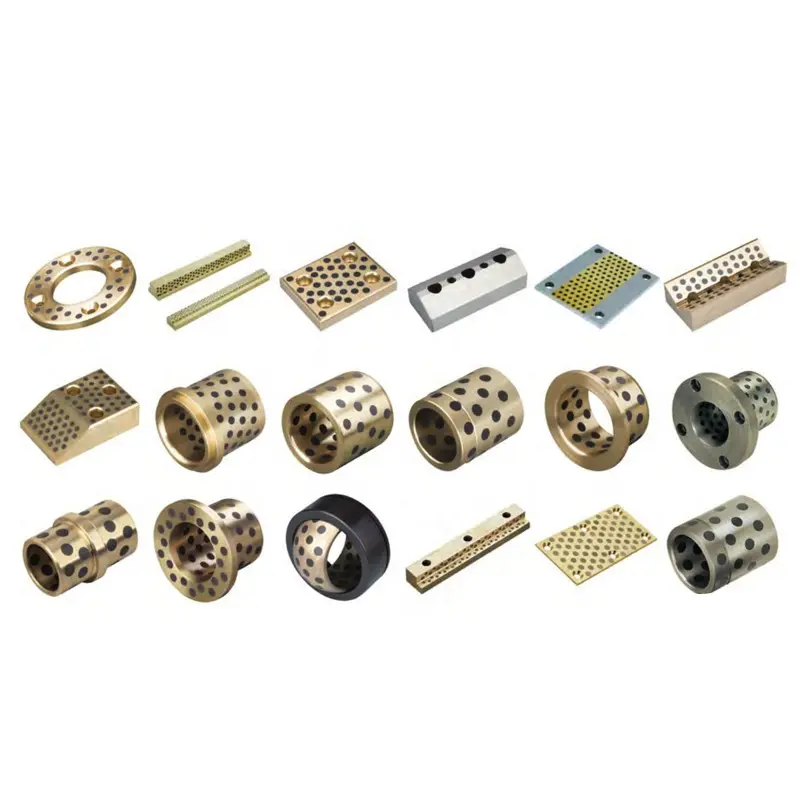 自润滑材料
自润滑材料
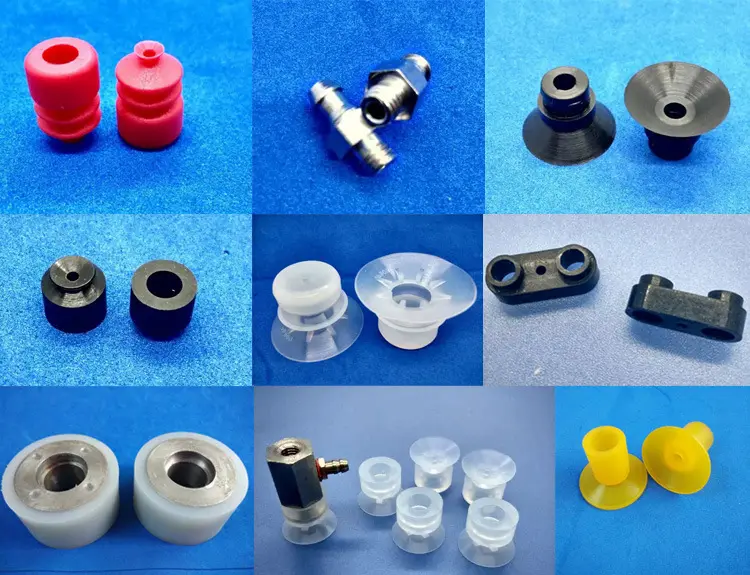 密封材料
密封材料
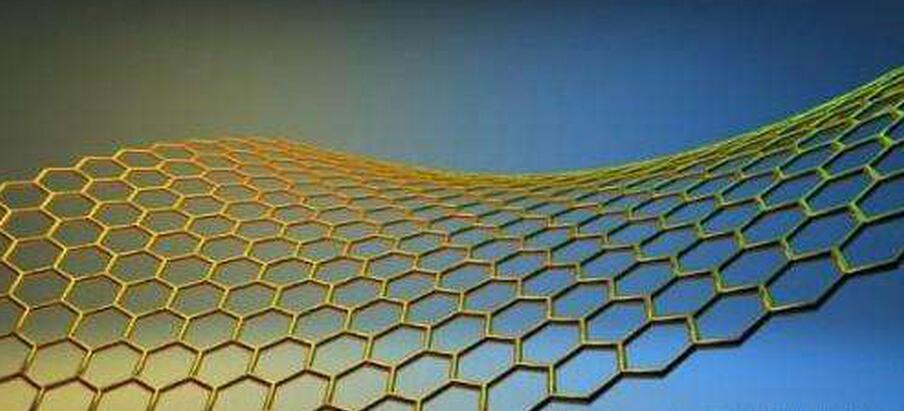 新兴材料
新兴材料
 加工设备
加工设备
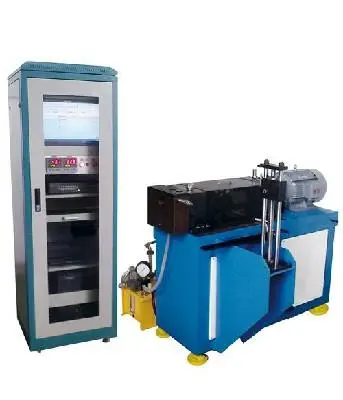 摩擦试验机
摩擦试验机
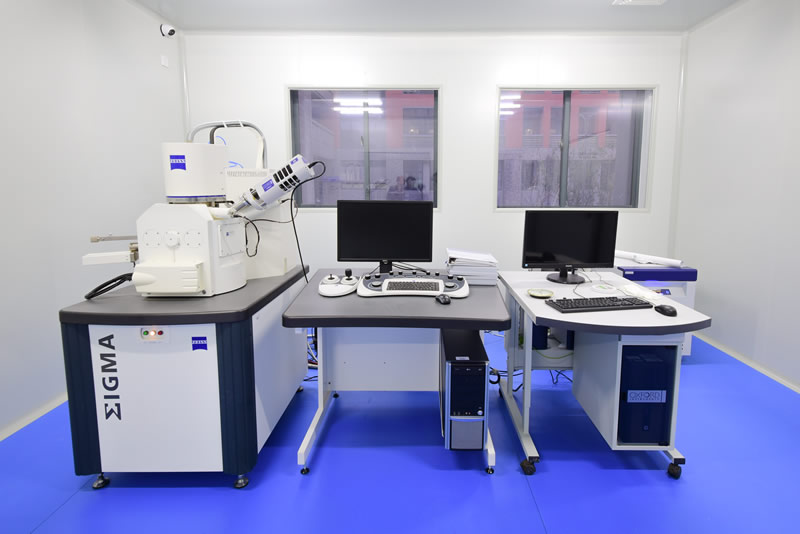 大型表征仪器
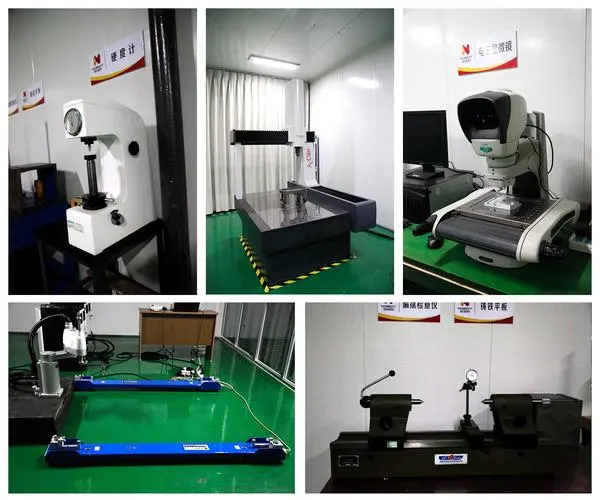 小型测试设备