Surface instabilities, such as wrinkling, folding, and creasing, have transcended their traditional perception as mechanical failures to emerge as a powerful and versatile paradigm for engineering functional surface morphologies in soft materials. This review comprehensively examines the mechanics, fabrication, and rapidly expanding applications of these instability-driven patterns. This review first elucidates the fundamental principles governing the formation of various instability modes, stemming from classical model of thin film–substrate system, and discusses advanced strategies for achieving precise morphological control, including hierarchical and spatially organized structures. Then the core of this review highlights the transformative impact of these tailored surface topographies across diverse fields. Key applications explored include the development of highly sensitive and stretchable electronic skins (E-skins), energy-harvesting triboelectric nanogenerators, deformable optoelectronic devices, physically unclonable features for advanced optical encryption and anti-counterfeiting, engineering surfaces with dynamically tunable wettability, and biomimetic constructs for biomedical engineering and artificial tissues. Finally, a forward-looking perspective on the challenges and future opportunities in this vibrant field was provided, emphasizing the potential of integrating stimuli-responsive materials, computational design, and artificial intelligence to develop the next generation of intelligent, adaptive, and multifunctional surfaces
周老师: 13321314106
王老师: 17793132604


邮箱号码: lub@licp.cas.cn





 润滑剂
润滑剂
 润滑油添加剂
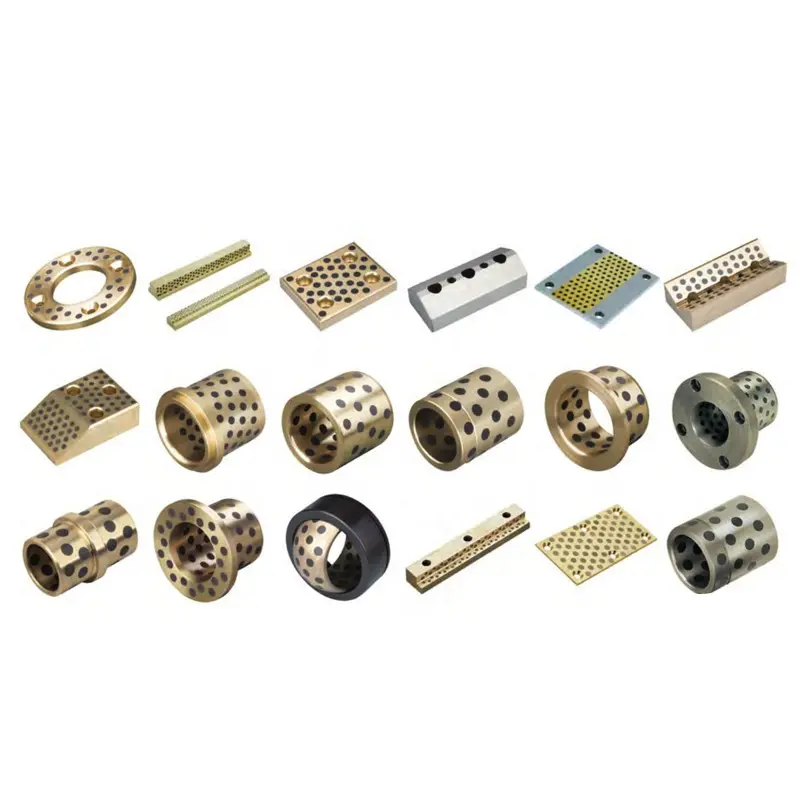 自润滑材料
自润滑材料
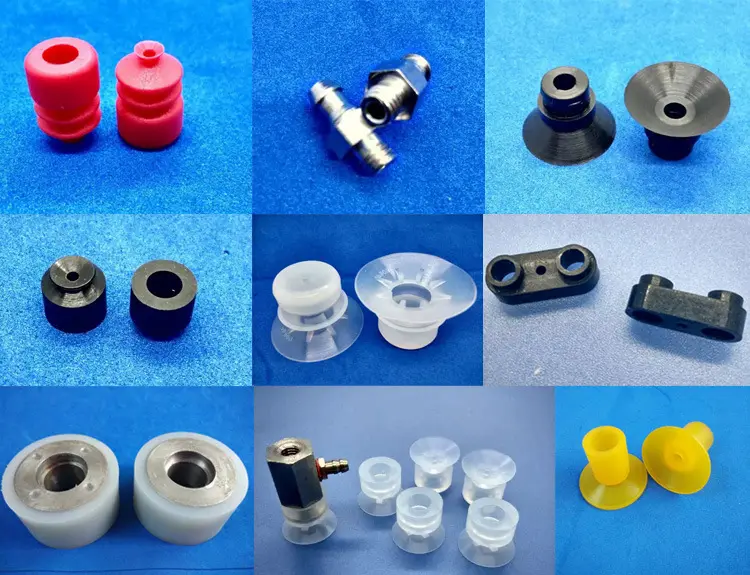 密封材料
密封材料
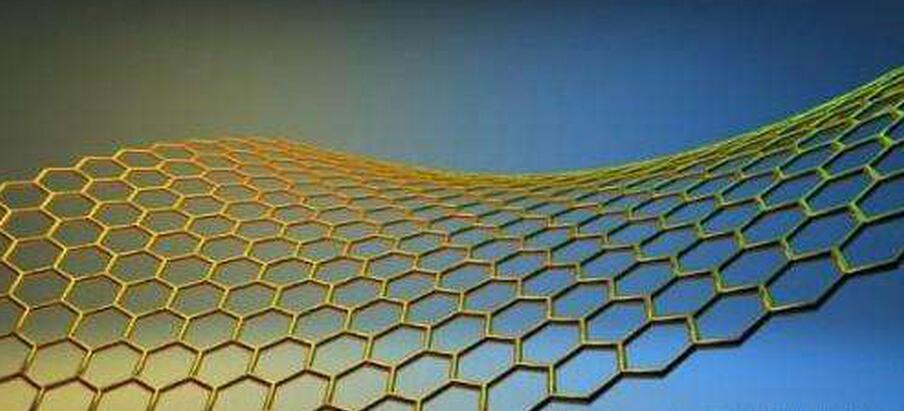 新兴材料
新兴材料
 加工设备
加工设备
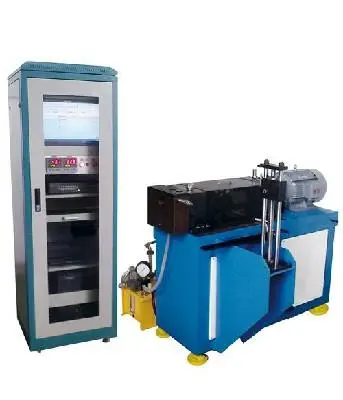 摩擦试验机
摩擦试验机
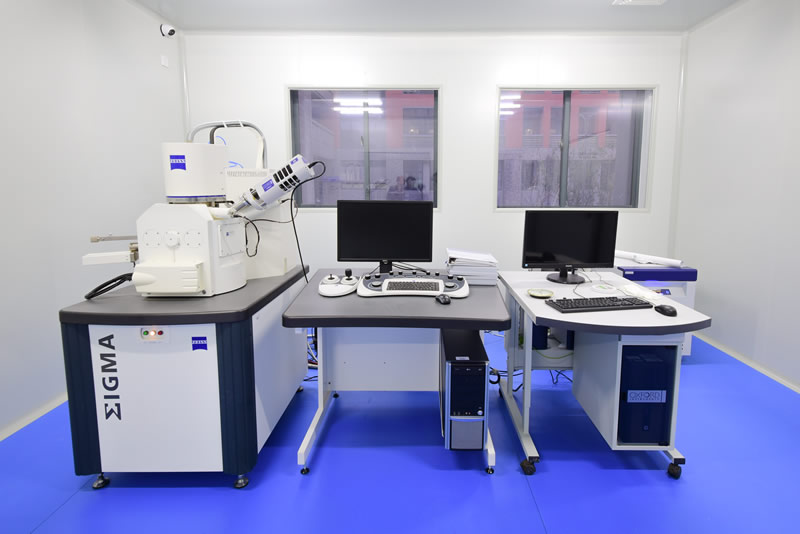 大型表征仪器
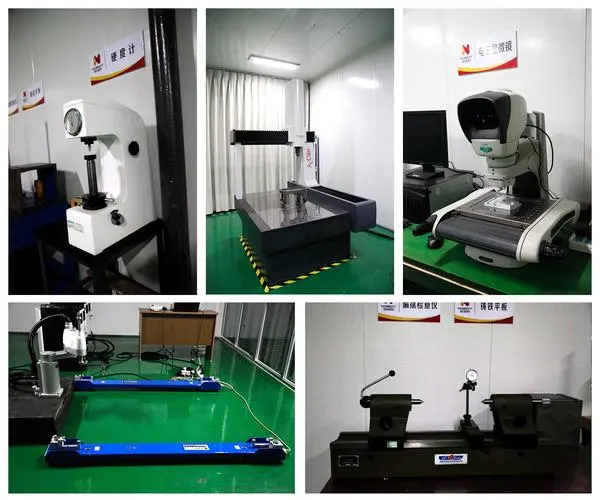 小型测试设备