The progressive incorporation of Sustainable Aviation Fuels to achieve zero emissions in 2050 in the aviation industry implies the evaluation of properties and compatibility of these new fuels with the fuel injection systems existing in current aircraft. Although lubricity is more critical for fuels used in compression ignition engines, in small turbojet engines lubrication fluid is directly blended with fuels, which makes mandatory the good lubricating behavior of kerosene-lube oil blends. For this reason, apart from evaluating lubricity of neat alternative jet fuels, two additives are selected for this study. One is a typical synthetic lube oil used in this type of jet engine, and the other is a biodiesel, renewable fuel known for its good lubricating properties. Results show similar results of wear scar diameters of neat kerosene fuels, with a clearly abrasive wear. The incorporation of these additives improves notably the lubricity, biodiesel being more effective than lube oil, appearing a tribocorrosive wear when this renewable additive is used. The improved lubricating properties of biodiesel and kerosene blends open the possibility of replacing the lubricating oil added to small turbojet engines or directly using these blends in reciprocating engines used in light aircraft or unmanned aerial vehicles. Furthermore, this study has developed a comparison between the Ball on Cilinder Lubricity Evaluator and High Frequency Reciprocating Rig methodologies, results indicating a higher lubrication with biodiesel blends in HFRR tests.
周老师: 13321314106
王老师: 17793132604


邮箱号码: lub@licp.cas.cn





 润滑剂
润滑剂
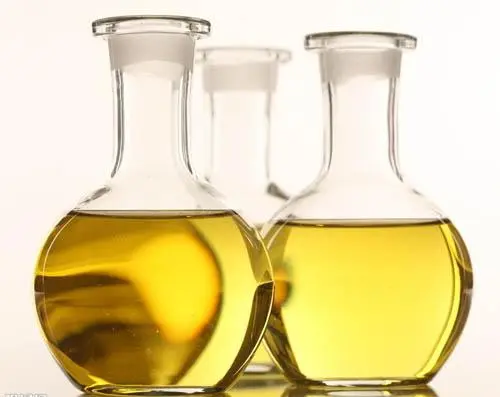 润滑油添加剂
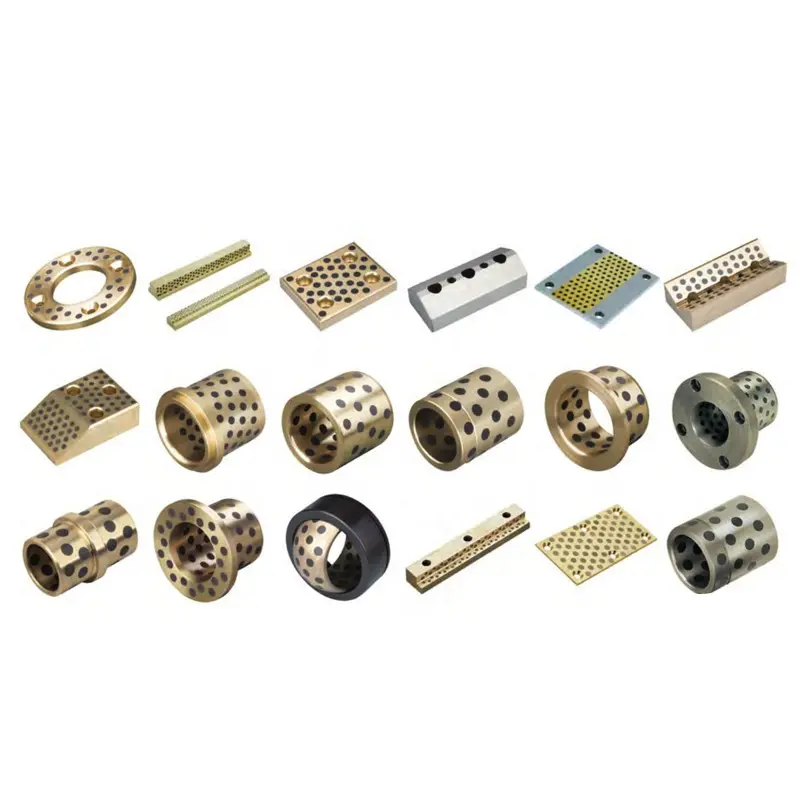 自润滑材料
自润滑材料
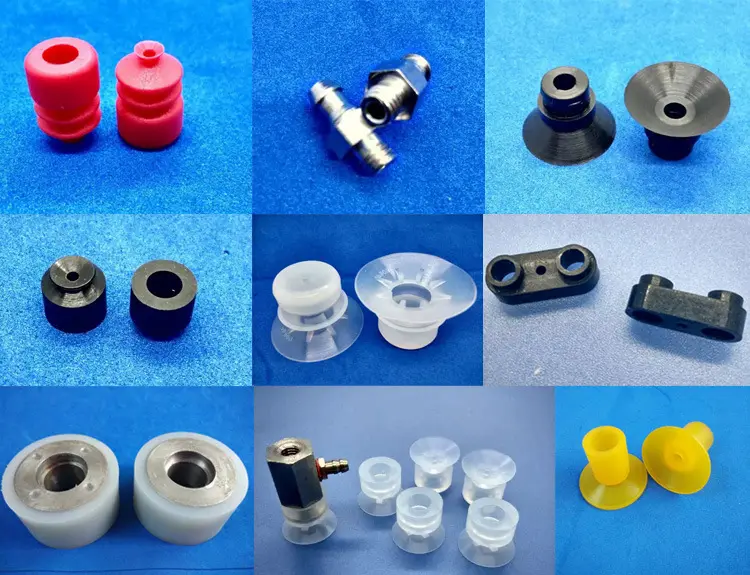 密封材料
密封材料
 新兴材料
新兴材料
 加工设备
加工设备
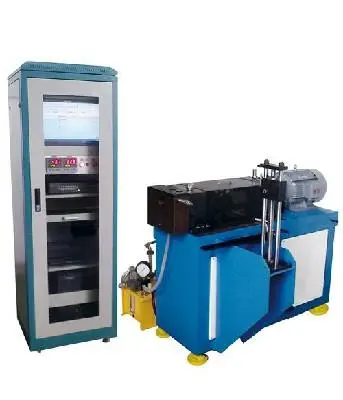 摩擦试验机
摩擦试验机
 大型表征仪器
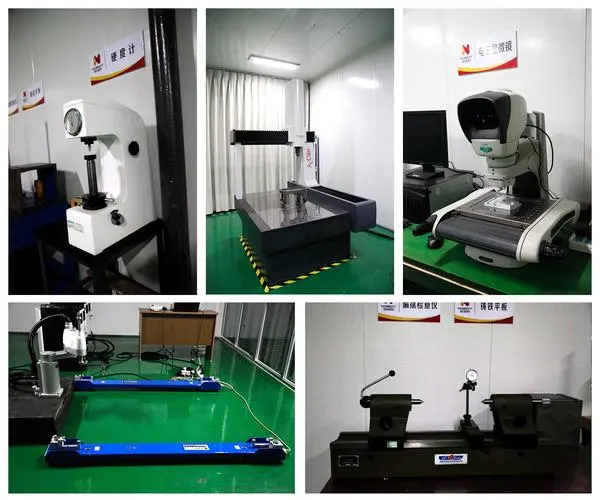 小型测试设备