As a critical component for transmitting electrical energy in pantograph-catenary systems of high-speed railways, carbon strips operate under high-speed and heavy-current conditions, where elevated surface temperature directly governs the wear mechanisms and operational safety of carbon strips. Therefore, investigating the surface temperature and wear mechanisms of carbon strips in the pantograph-catenary system is critical. This study quantitatively investigates the effects of loading current (70–150 A), normal load (90–110 N), and sliding speed (200–300 km/h) on the surface temperature, wear mass, and friction coefficient of carbon strips sliding against copper contact wires, using a ring-block type high-speed wear tester. Surface morphology and elemental composition are characterized by scanning electron microscopy and energy-dispersive spectroscopy. Results indicate that loading current has the most pronounced effect on surface temperature. Crucially, a fundamental transition in the wear mechanism is identified at a critical threshold of 521°C. Beyond this point, severe molten-material ejection occurs, accompanied by a significant reduction in surface carbon content and the formation of numerous abrasive copper-oxide nodules. This leads to a non-linear surge in wear mass, representing a 99.3% increase compared to the value at 300°C. Therefore, suppressing molten-material ejection by controlling the interfacial temperature is paramount for mitigating catastrophic wear and ensuring the operational reliability of carbon strips under extreme conditions.
周老师: 13321314106
王老师: 17793132604


邮箱号码: lub@licp.cas.cn





 润滑剂
润滑剂
 润滑油添加剂
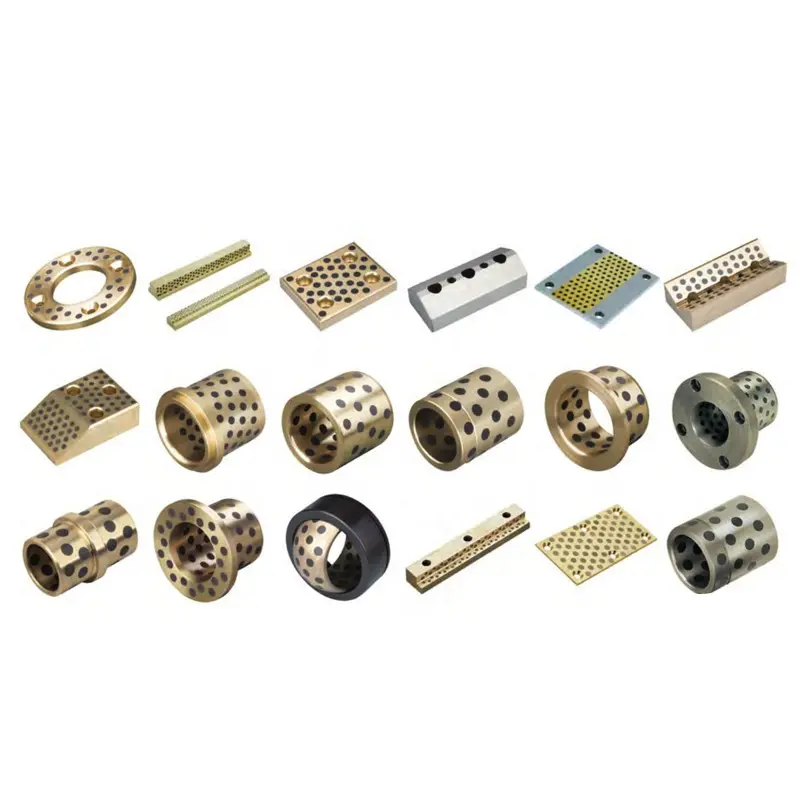 自润滑材料
自润滑材料
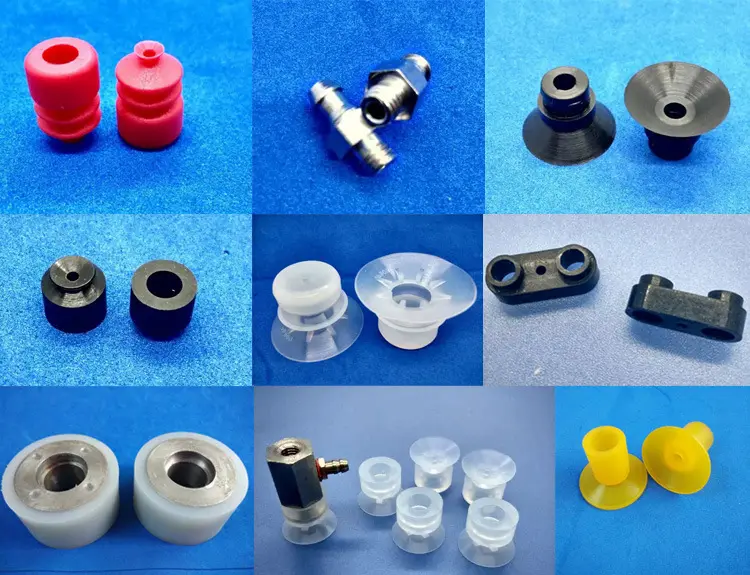 密封材料
密封材料
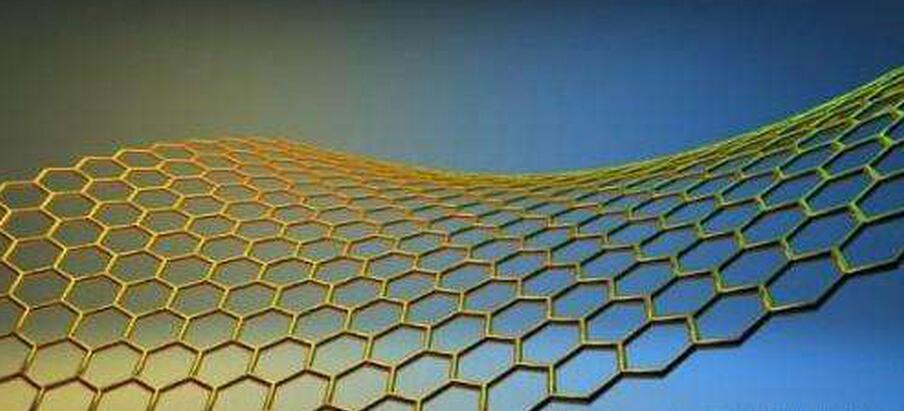 新兴材料
新兴材料
 加工设备
加工设备
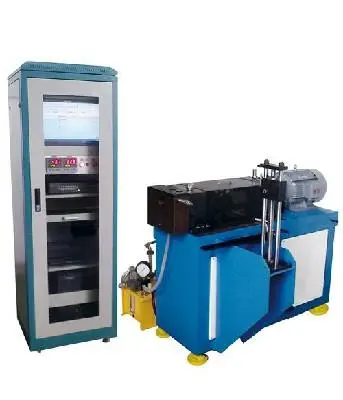 摩擦试验机
摩擦试验机
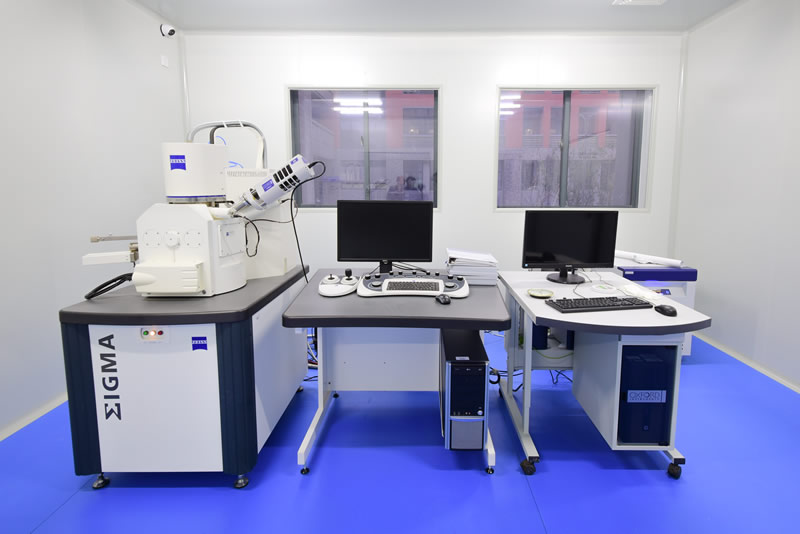 大型表征仪器
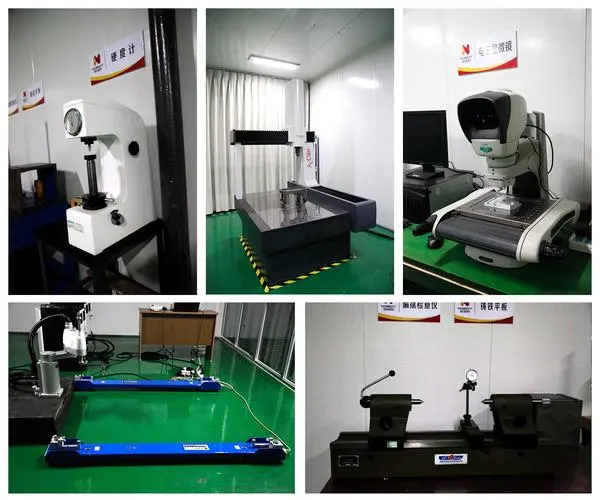 小型测试设备