Transmission efficiency serves as a critical indicator for evaluating the performance of the planetary roller screw mechanism (PRSM). Existing prediction models, however, often exhibit significant deviations, primarily due to the inadequate consideration of machining errors. This study systematically analyzes key influencing factors arising from the manufacturing process and develops individual error models for both thread and gear components. These error models are incorporated into the friction torque calculation, resulting in a comprehensive efficiency prediction model that accounts for machining errors. Experimental results validate the proposed model. Further investigation into the influence patterns of various error factors reveals that efficiency increases with applied load, whereas it initially rises and then declines as rotational speed increases. Machining errors on the thread surface affect efficiency by approximately 3%, while those on the gear surface have a negligible impact of about 0.03%. Furthermore, based on a weight analysis of thread and gear machining parameters, the thread friction coefficient, gear reference diameter, and gear addendum height are identified as having significant influences on efficiency. This research provides a theoretical foundation for the optimal design and precision manufacturing of PRSM, contributing to enhanced comprehensive performance and facilitating broader industrial adoption.
周老师: 13321314106
王老师: 17793132604


邮箱号码: lub@licp.cas.cn





 润滑剂
润滑剂
 润滑油添加剂
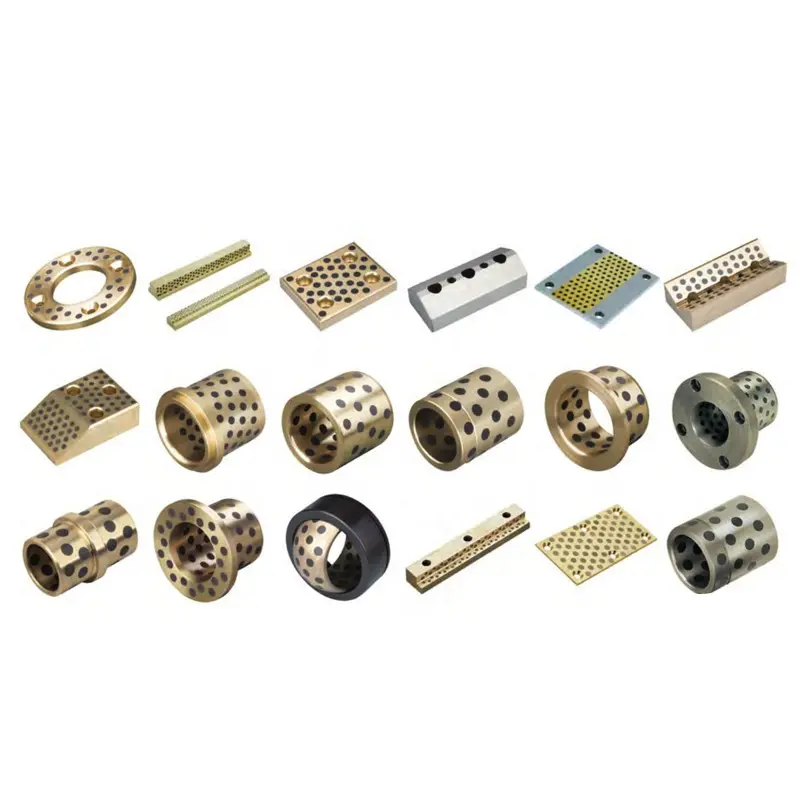 自润滑材料
自润滑材料
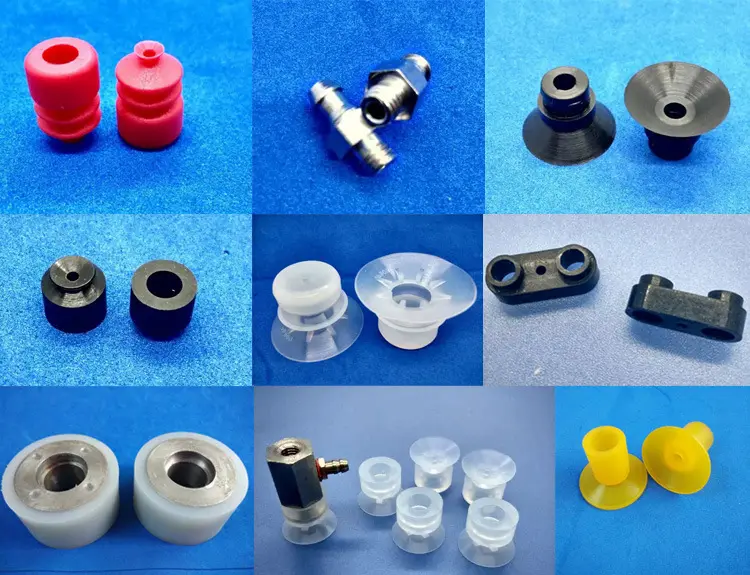 密封材料
密封材料
 新兴材料
新兴材料
 加工设备
加工设备
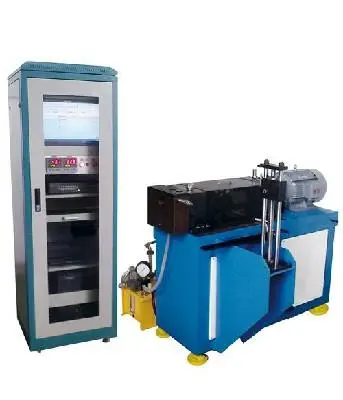 摩擦试验机
摩擦试验机
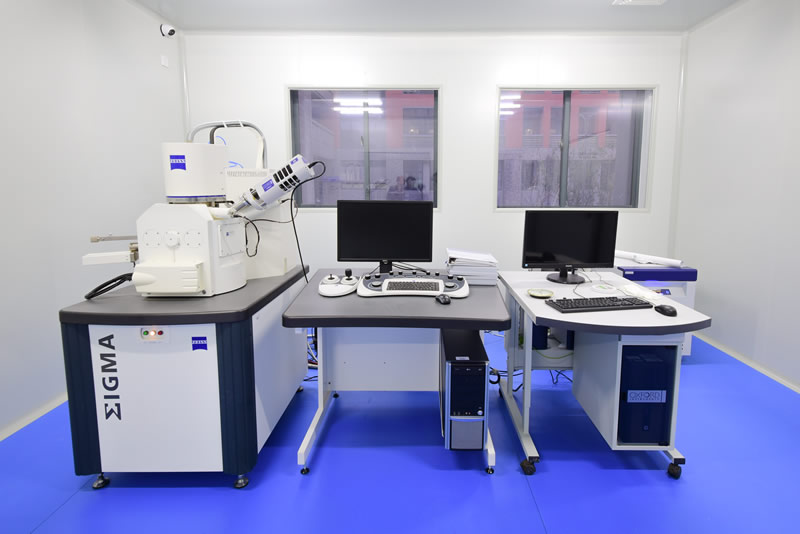 大型表征仪器
 小型测试设备