The swift transition to sustainable energy has heightened demand for high-performance, safe, and environmentally responsible battery technologies. Zn₋, Mg₋, Na₋, Al₋, Fe₋, organic, and bio-based systems offer several advantages over traditional resource-intensive and toxic alternatives. However, their practical implications are significantly challenged by their susceptibility to electrochemical corrosion, which adversely affects their efficiency, longevity, safety, recyclability, and reversibility. Corrosion is one of the most significant and persistent barriers to the development of next-generation energy storage systems. This review comprehensively presents unified mechanisms of corrosion across diverse sustainable battery systems, with a detailed account of pitting, uniform, galvanic, intergranular, and passivation-related degradation pathways. The article presents a unique comparison of the degradation mechanisms of Zn, Al, Mg, and other anodes in different electrolytes. Corrosion mitigation strategies, including surface passivation, surface engineering, alloying, use of surfactants and polymer-based films, ionic liquids, deep eutectic solvents, metal–organic frameworks, heterocycles, and bio-based multifunctional corrosion inhibitors, have been comprehensively surveyed. These inhibitors suppress the increase in cycle life, achieving inhibition efficiencies of over 90%. Lastly, the review highlights the design of molecular-level corrosion inhibitors, interfacial engineering, real-time corrosion testing, advanced electrolytes, and forward-looking directions, all of which are essential to the development of sustainable, stable energy storage systems.
周老师: 13321314106
王老师: 17793132604


邮箱号码: lub@licp.cas.cn





 润滑剂
润滑剂
 润滑油添加剂
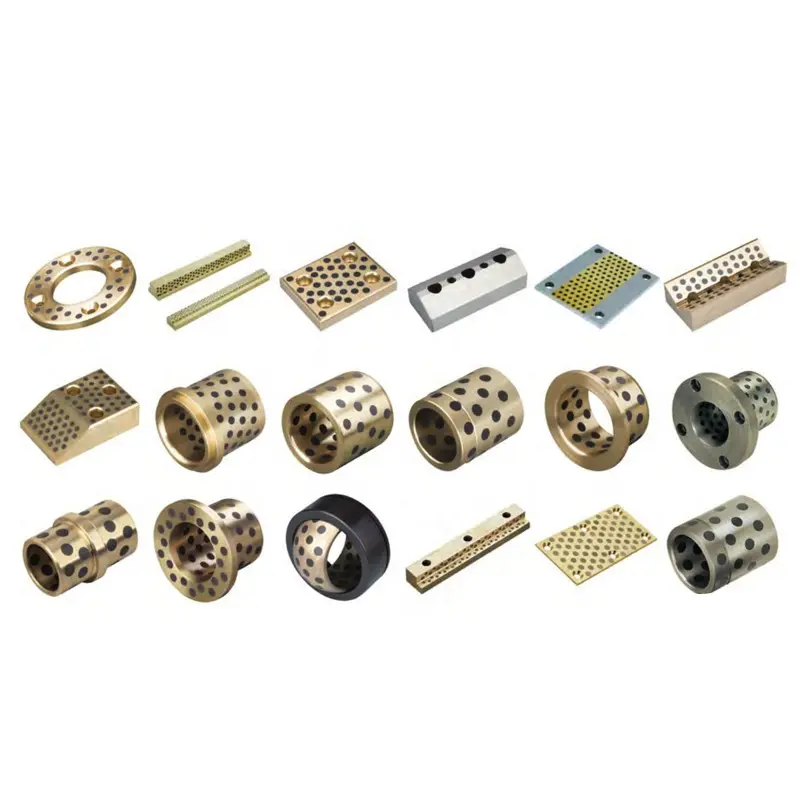 自润滑材料
自润滑材料
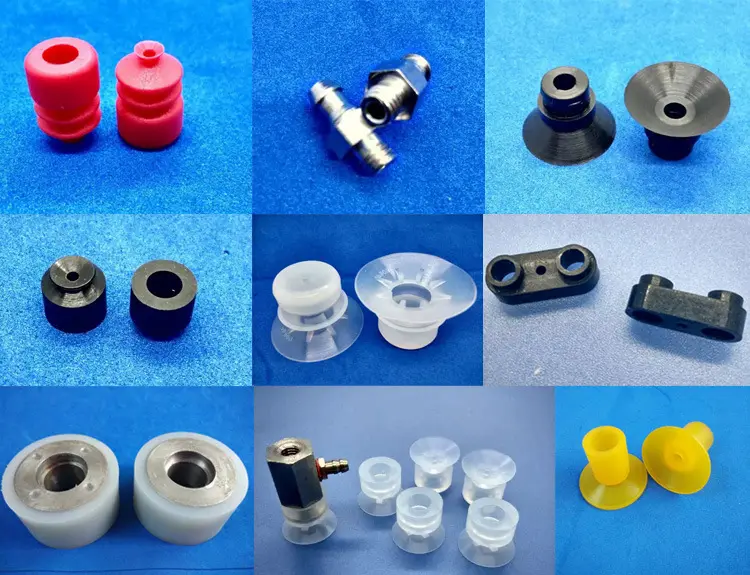 密封材料
密封材料
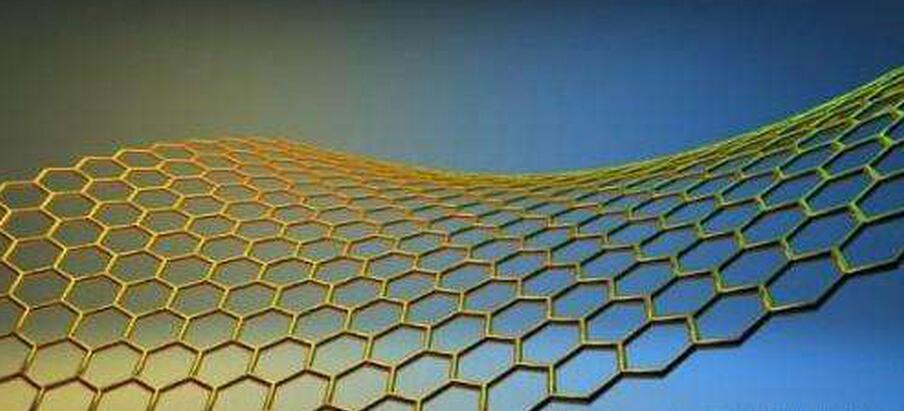 新兴材料
新兴材料
 加工设备
加工设备
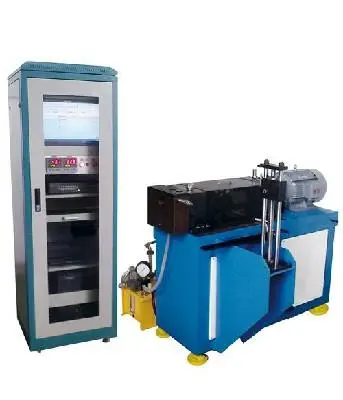 摩擦试验机
摩擦试验机
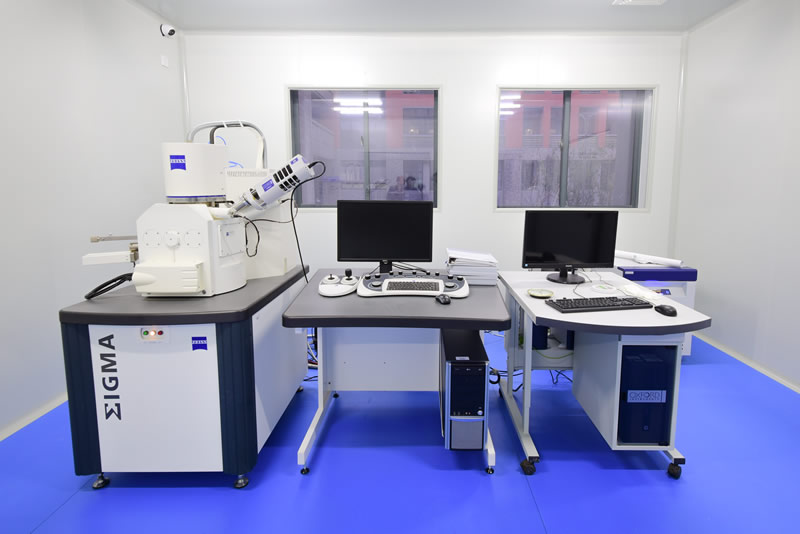 大型表征仪器
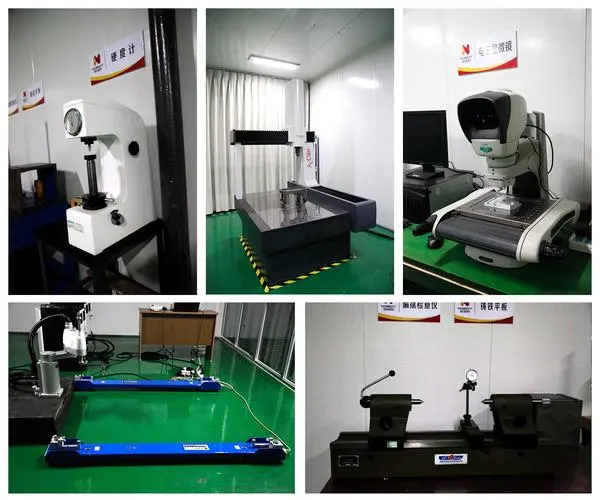 小型测试设备