Triboelectric tactile sensors enable precise recognition of diverse objects within a single sensing unit, opening a new pathway for the advancement of robotic intelligence. However, these sensors often suffer from limitations such as poor environmental adaptability (e.g., humidity), susceptibility to interface shedding, and a lack of advanced data interpretation capabilities. This study, utilizing an evaporation-induced strategy, develops a biomimetic hierarchical Janus triboelectric material (HJTM). Its skin-like structure simultaneously integrates superhydrophobic protection, conductive sensing, and virtual machine learning computing. The HJTM's superhydrophobic surface (contact angle = 163 ± 0.5°) effectively shields against environmental interferences such as humidity, while the underlying conductive network layer enhances charge storage and transfer. As a result, the output voltage is 6.7 times higher than that of pure CNF film, while maintaining 95.32% performance at 99% relative humidity. Furthermore, combined with multiple machine learning algorithms, the system achieves high-precision recognition (≥ 95.0%) of various objects, including plastic boxes, plastic balls, and glass bottles. This study provides a new pathway toward achieving stable tactile sensing with a single sensing unit under complex environmental conditions.
周老师: 13321314106
王老师: 17793132604


邮箱号码: lub@licp.cas.cn





 润滑剂
润滑剂
 润滑油添加剂
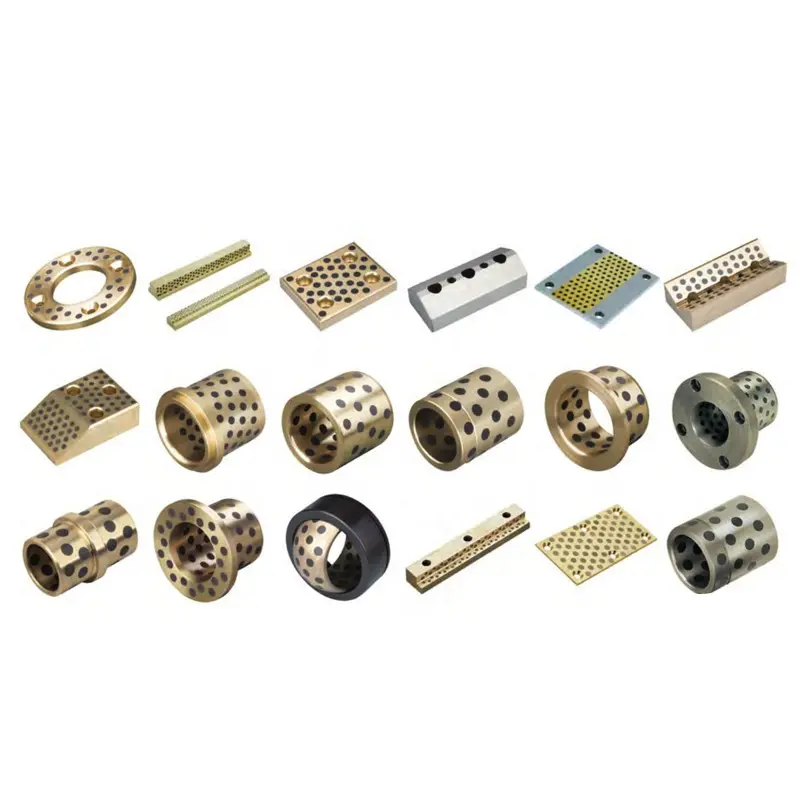 自润滑材料
自润滑材料
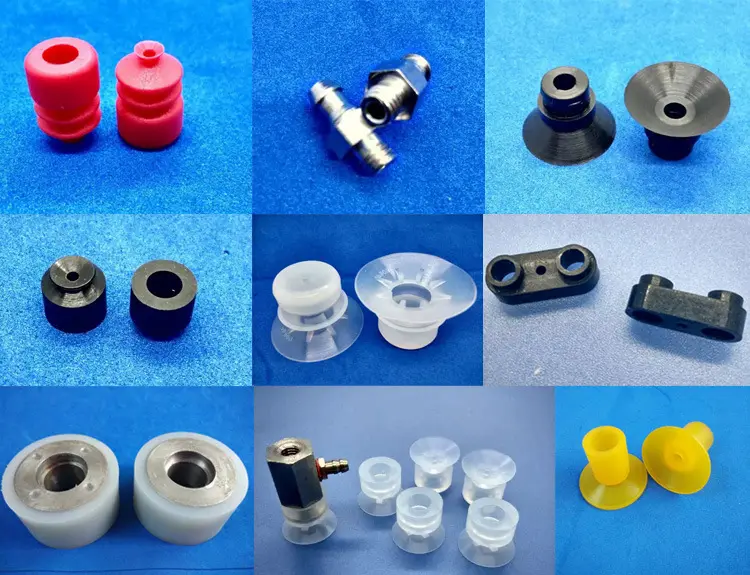 密封材料
密封材料
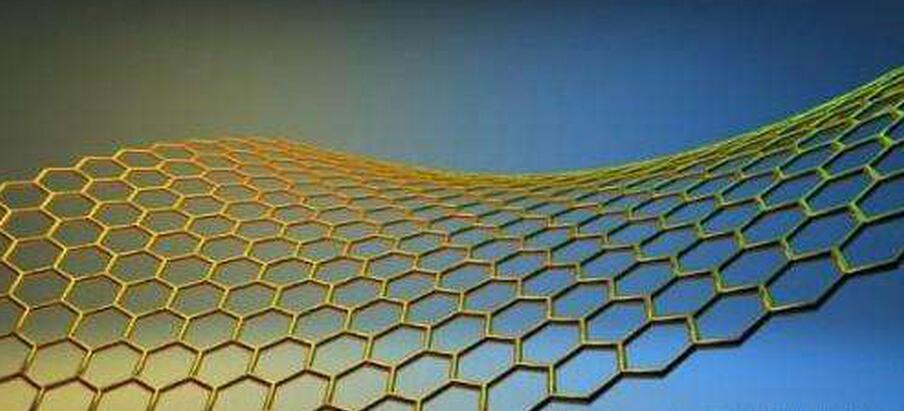 新兴材料
新兴材料
 加工设备
加工设备
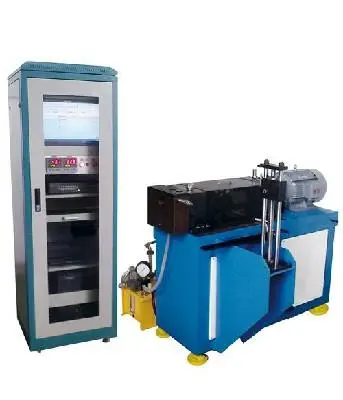 摩擦试验机
摩擦试验机
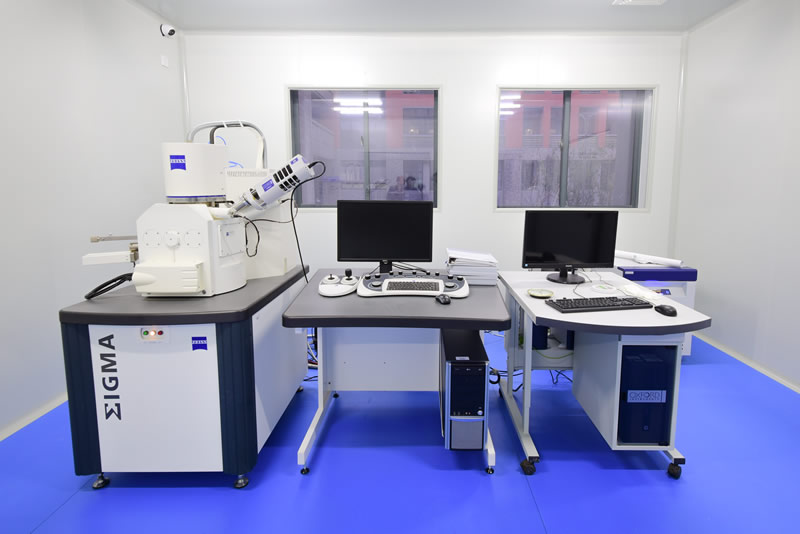 大型表征仪器
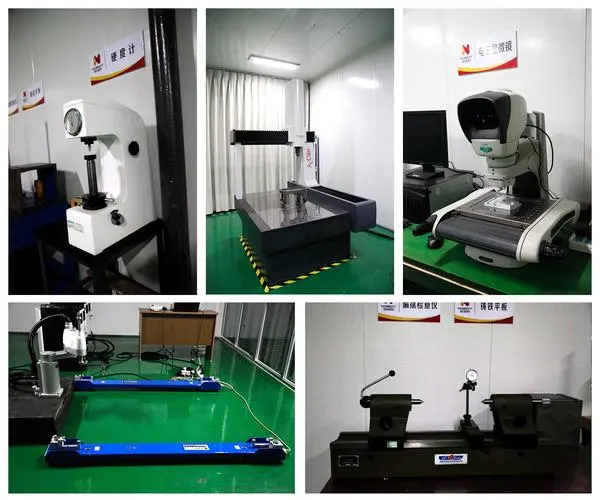 小型测试设备