Biomass-based self-healing triboelectric materials are recognized for meeting the sustainability and reliability demands of flexible electronic sensors, playing an essential role in enhancing device durability and operational longevity. However, existing self-healing biomass systems still face challenges in achieving synergistic enhancement of both mechanical properties and self-healing efficiency. Inspired by the strong adhesion of mussel foot proteins, a robust, room-temperature self-healing, and recyclable biomass-based triboelectric material has been developed through the synergistic coordination of supramolecular interactions (such as Fe3+─catechol coordination bonds, hydrogen bonds, and π─π stacking) and nanoconfinement. The constructed nanonetwork was found to facilitate enhanced energy dissipation and accelerated dynamic bonds reorganization, resulting in a combination of superior mechanical properties and efficient self-healing. The obtained material demonstrated a tensile strength of 30.95 MPa, a toughness of 100.77 MJ m−3, and a remarkable self-healing efficiency of 96.22%. A triboelectric tactile sensor fabricated from this material exhibited a rapid response of 14 ms, and when integrated with deep learning algorithms, achieved highly accurate identification of material types and surface textures. This work offers a promising approach for the development of bionic perception systems in complex environments.
周老师: 13321314106
王老师: 17793132604


邮箱号码: lub@licp.cas.cn





 润滑剂
润滑剂
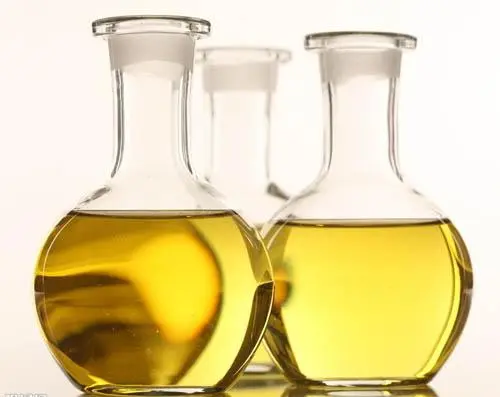 润滑油添加剂
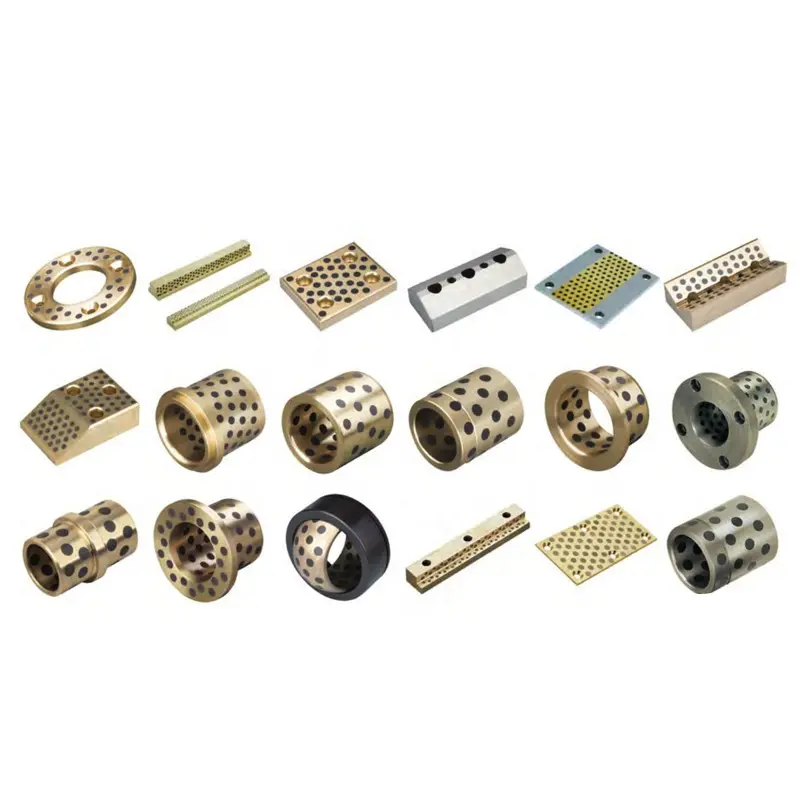 自润滑材料
自润滑材料
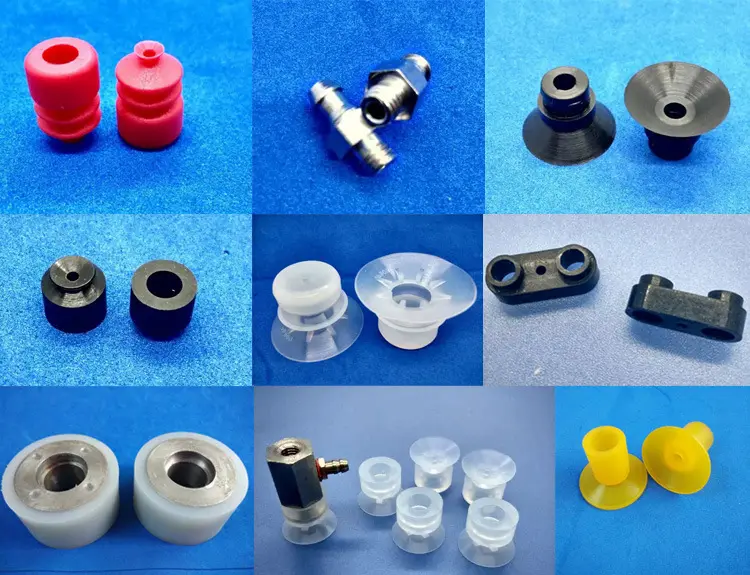 密封材料
密封材料
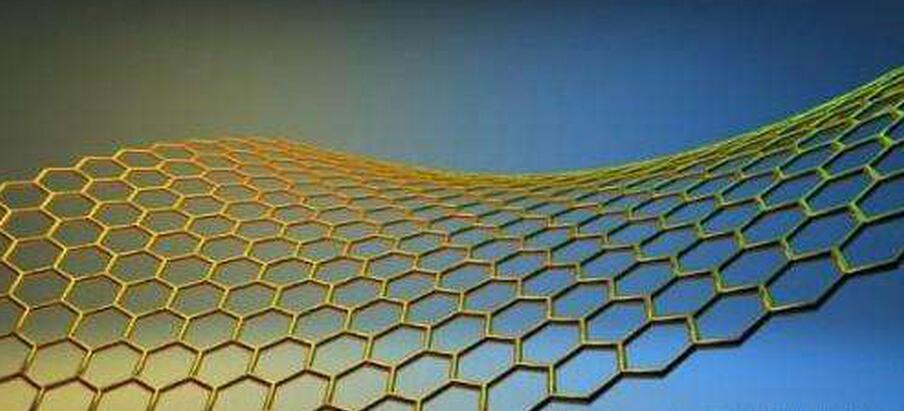 新兴材料
新兴材料
 加工设备
加工设备
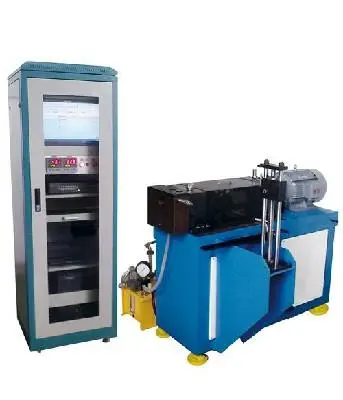 摩擦试验机
摩擦试验机
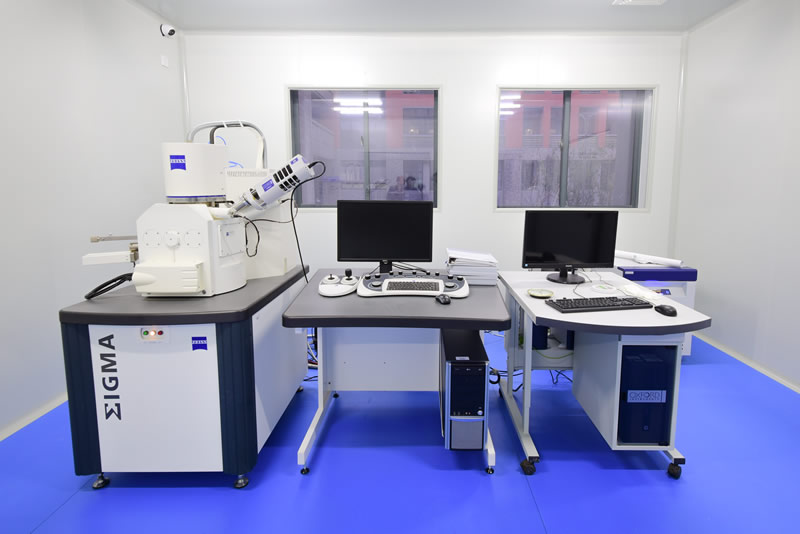 大型表征仪器
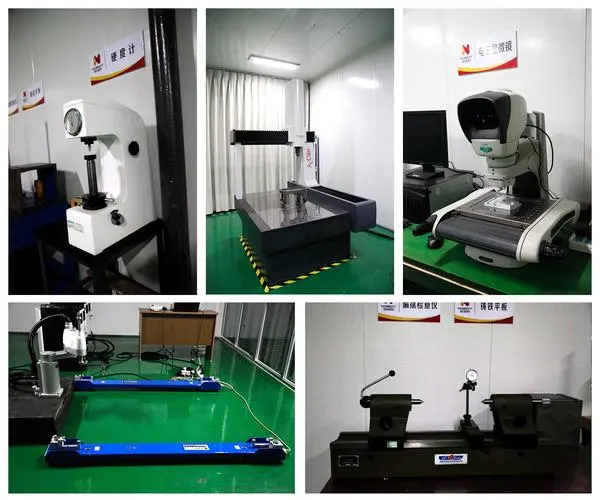 小型测试设备