The integration of high-performance hydrogels with triboelectric tactile sensing has opened new opportunities for developing next-generation flexible and self-powered intelligent sensing systems. However, under complex and dynamic real-world conditions, hydrogel-based triboelectric tactile sensors still face significant challenges in achieving long-term reliability and stable signal output, and a systematic, application-oriented design framework for hydrogels remains lacking. This review starts from the fundamental mechanisms of triboelectric tactile sensing and clarifies the key requirements for high-performance hydrogels, including mechanical stability, reliable electrical output, environmental tolerance, and interfacial robustness, together with the associated practical challenges. Multidimensional performance enhancement strategies for hydrogels in triboelectric tactile sensing are then systematically summarized. Recent progress in hydrogel-based triboelectric tactile sensing is presented across emerging application areas, including health monitoring, human-machine interaction, and soft robot perception. Finally, the remaining challenges and future directions in material design and device integration are outlined, providing guidance for the development of robust, flexible triboelectric tactile sensing systems.
周老师: 13321314106
王老师: 17793132604


邮箱号码: lub@licp.cas.cn





 润滑剂
润滑剂
 润滑油添加剂
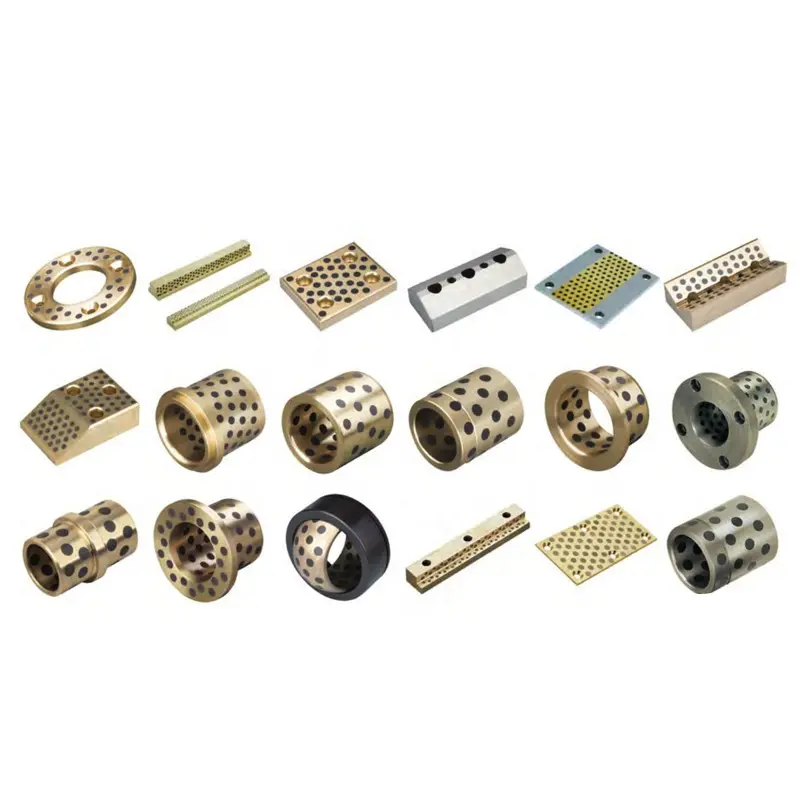 自润滑材料
自润滑材料
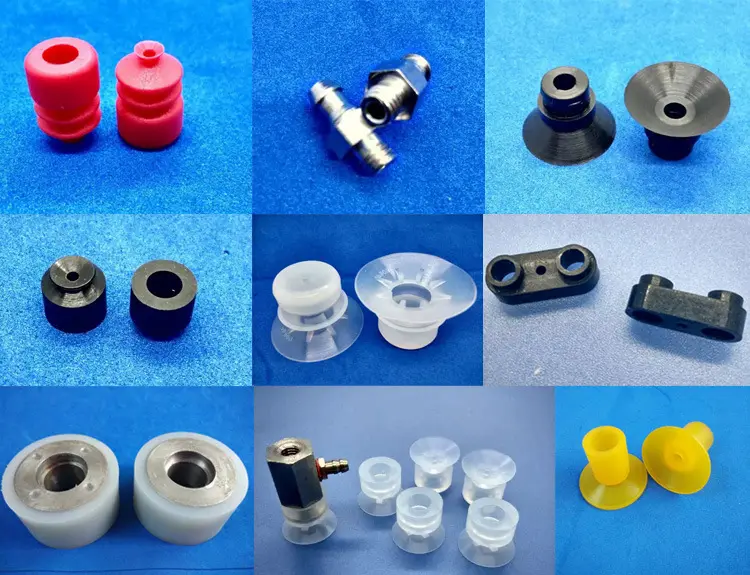 密封材料
密封材料
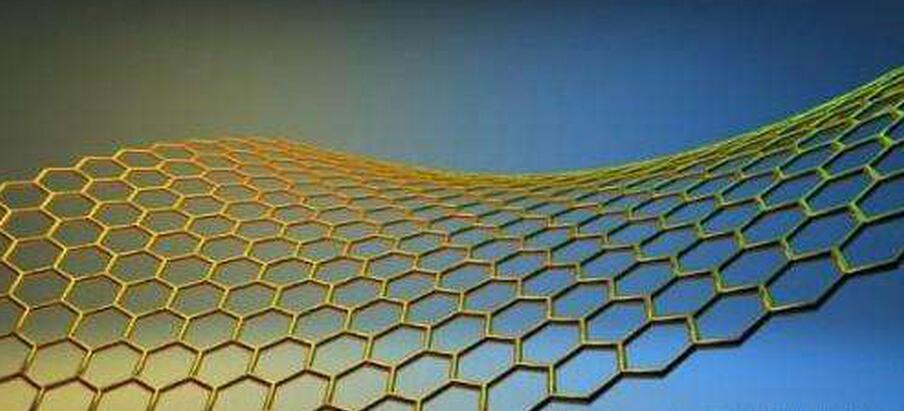 新兴材料
新兴材料
 加工设备
加工设备
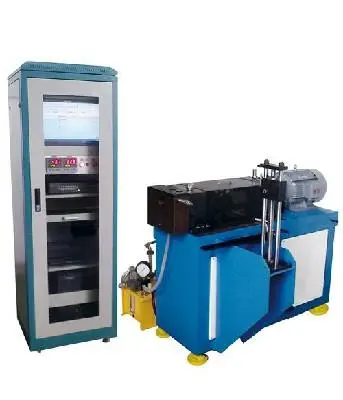 摩擦试验机
摩擦试验机
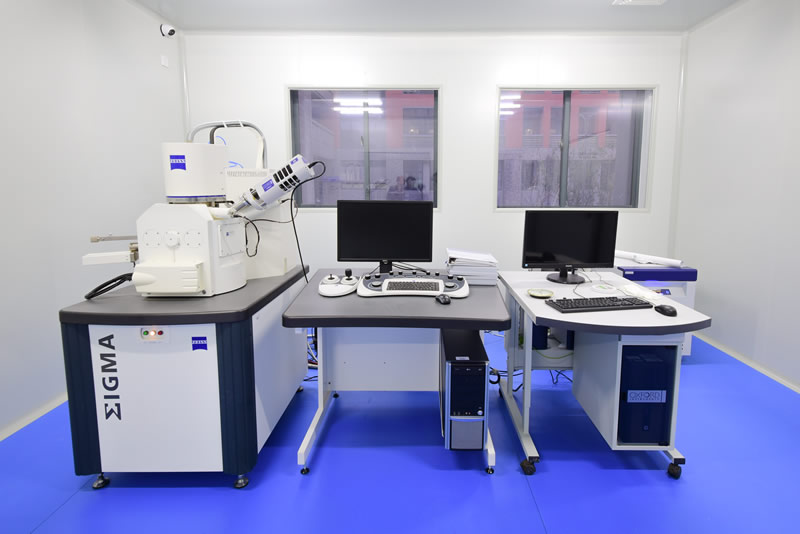 大型表征仪器
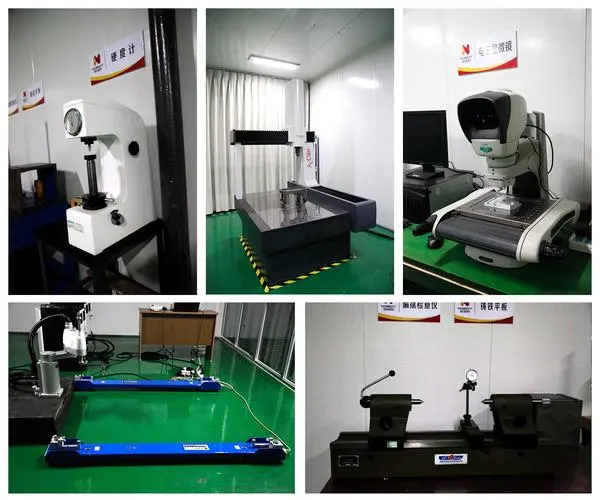 小型测试设备