Developing high-performance, wearable electronics that operate reliably in extreme environments is crucial for ensuring life safety, as well as for aerospace and industrial applications. However, existing sensing materials face a trade-off between mechanical performance and high-temperature robustness, limiting their performance gains and stability under heat. This study introduces a thermomechanically robust cellulosic triboelectric material with interfacial nano-bridging that forms a heat-conducting network. Heat-conducting nanosheets and nanotubes intertwine with cellulose through noncovalent interactions. A very small amount of carbon nanotubes (2 wt.%) acts as bridging segments that connect the heat-conducting nanosheets, forming a strong hydrogen-bond network with cellulose to resist energy dissipation during tensile loading. This yields both high mechanical strength (169 MPa) and high thermal conductivity (12.9 W m−1 K−1). The performance far exceeds that of most reported polymer composite sensing materials. As a result, self-powered devices based on triboelectric materials maintained stable operation at 230 °C, and achieved a high output power of 2.72 W m−2. When integrated into wearable self-powered sensing systems with machine learning, the system achieved a 97% accuracy in motion pose recognition. This work presents a strategy to balance the thermomechanical stability trade-off and provides a general design pathway for sensing materials suitable for complex operating conditions.
周老师: 13321314106
王老师: 17793132604


邮箱号码: lub@licp.cas.cn





 润滑剂
润滑剂
 润滑油添加剂
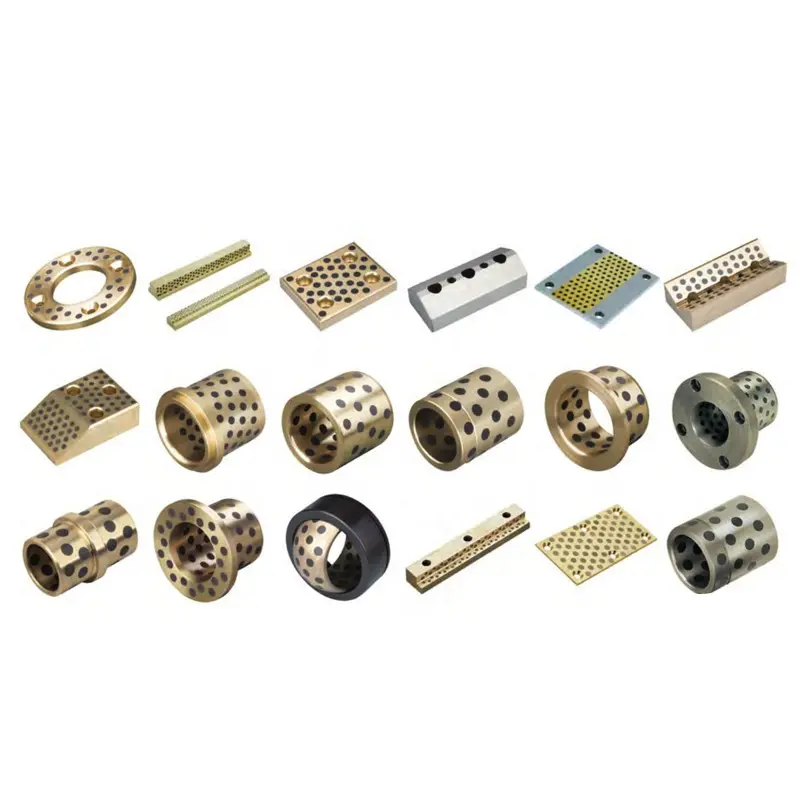 自润滑材料
自润滑材料
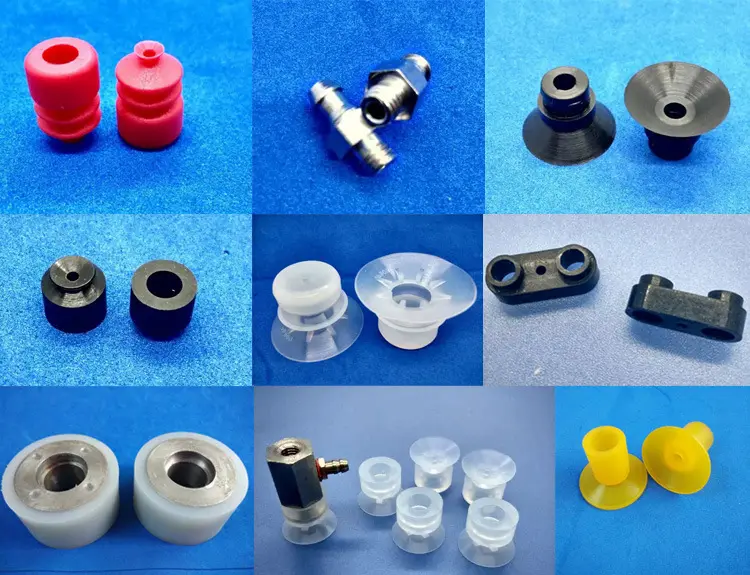 密封材料
密封材料
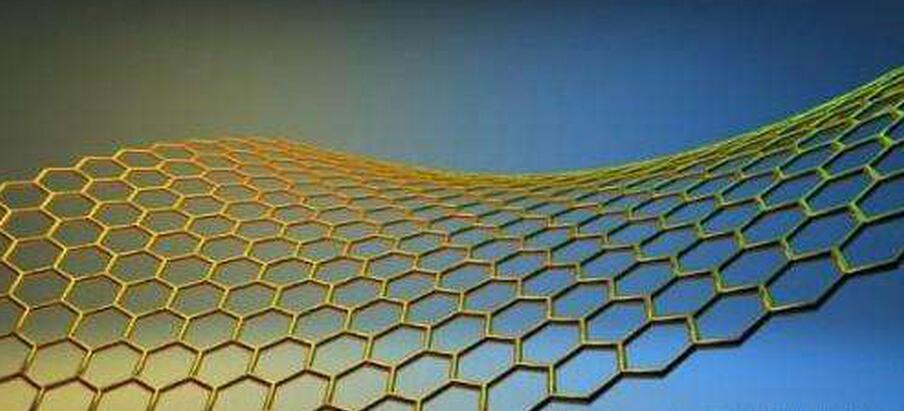 新兴材料
新兴材料
 加工设备
加工设备
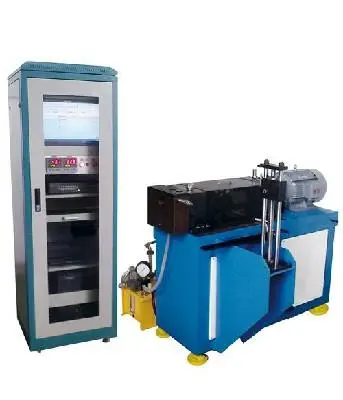 摩擦试验机
摩擦试验机
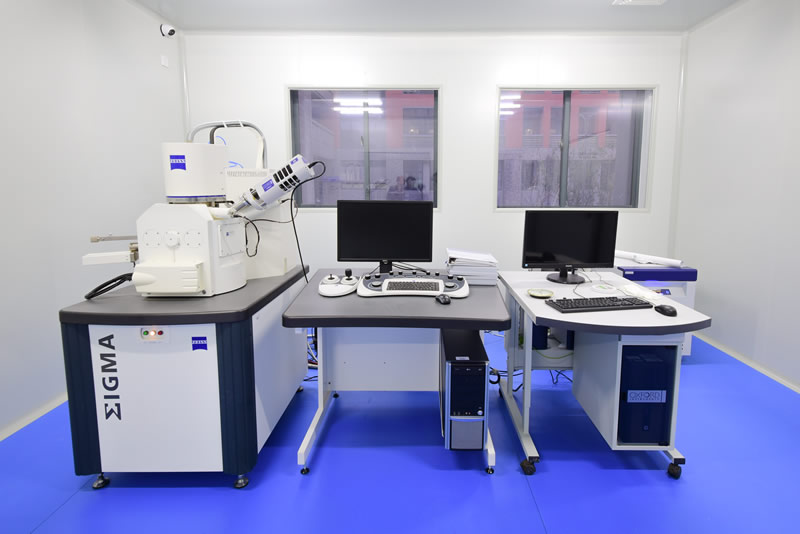 大型表征仪器
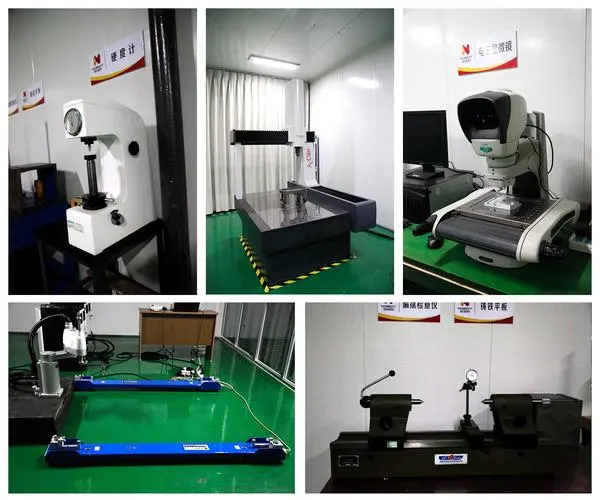 小型测试设备